Alleged 'King of the German Reich' Indicted for Establishing Pseudo-State
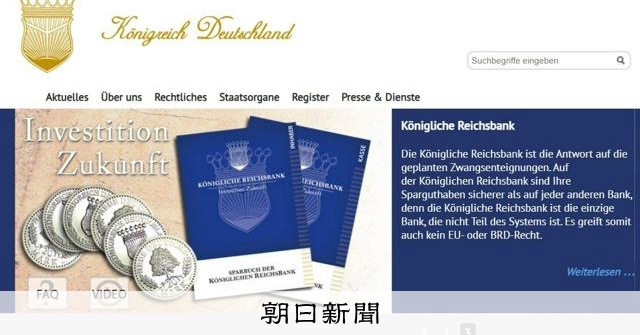
Authorities have indicted an individual claiming to be the 'King of the German Reich' for establishing a pseudo-state. This alleged entity reportedly included its own bank and insurance services, and even issued its own currency. The indictment signifies a legal challenge to the legitimacy of such self-proclaimed states and their attempts to operate parallel to established governmental and financial systems. The case highlights concerns about individuals attempting to circumvent national laws and regulations by creating alternative structures. Further details regarding the specific charges and the extent of the pseudo-state's operations are expected to emerge as the legal proceedings develop. This action by law enforcement underscores a commitment to upholding the integrity of national sovereignty and financial regulations. The prosecution aims to deter similar attempts to undermine state authority and economic stability.
This indictment addresses the emergence of fringe groups and individuals who seek to establish sovereign-like entities outside of established legal frameworks. Such movements often arise from a distrust of existing governance and financial systems, leading to the creation of alternative structures like pseudo-banks and currencies. The legal response aims to reinforce the state's monopoly on issuing currency and regulating financial institutions. From a systemic perspective, these challenges highlight the ongoing tension between individual autonomy and state authority, particularly in an era where digital technologies can facilitate the creation of alternative networks. The long-term implications involve how societies balance freedom of association with the need for regulatory oversight to prevent potential fraud and maintain economic stability.
AI-generated to prompt reflection — not editorial opinion, not advice, not a statement of fact. How this works.