Alleged Messages from Mojtaba Khamenei Complicate Iran's US Policy
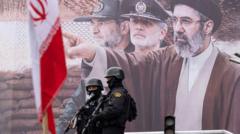
Messages attributed to Mojtaba Khamenei, following the signing of a memorandum of understanding, have created a complex situation for Iran's Supreme National Security Council (SNSC). These alleged communications have fundamentally questioned the relevance and authority of the SNSC in decision-making processes concerning the United States. The situation has reportedly led to significant internal challenges within the Iranian government's foreign policy apparatus. The precise nature of the memorandum of understanding and the content of the messages remain unclear, but their impact suggests a significant power struggle or disagreement over strategic direction. This development raises questions about the established channels of authority and influence within Iran's political system, particularly regarding interactions with major global powers. The SNSC, typically responsible for coordinating national security and foreign policy, appears to have been sidelined or undermined by these alleged communications. The incident highlights potential rifts and competing interests within the Iranian leadership. Further clarification is needed to understand the full implications of these events on Iran's foreign policy and its relationship with the US.
The reported events suggest a potential internal power dynamic within Iran's leadership, where communications attributed to Mojtaba Khamenei may have challenged the established decision-making authority of the Supreme National Security Council regarding US policy. This situation could reflect competing strategic visions or a struggle for influence over foreign policy direction. Such internal complexities can impact the predictability and coherence of a nation's international relations, potentially creating friction between different factions or institutions. Understanding these internal governance dynamics is crucial for assessing Iran's future foreign policy maneuvers and its engagement with global actors, particularly in the context of evolving geopolitical landscapes and the increasing influence of non-state actors in diplomacy.
AI-generated to prompt reflection — not editorial opinion, not advice, not a statement of fact. How this works.