Allergy Medication Recalled Over Potential Ranitidine Contamination
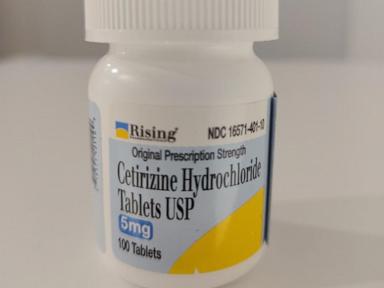
A recall has been issued for an allergy medication due to concerns about potential cross-contamination with ranitidine. The specific medication affected has not been named in the initial report, but the presence of ranitidine is the primary reason for the recall. Ranitidine, commonly known by the brand name Zantac, was previously found to contain N-nitrosodimethylamine (NDMA), a probable human carcinogen. Regulatory bodies worldwide have taken action against ranitidine products due to these contamination concerns. This recall highlights ongoing vigilance in pharmaceutical manufacturing to ensure product safety and prevent patient exposure to harmful substances. Consumers who may have purchased the affected allergy medication are advised to check for recall notices from the manufacturer or relevant health authorities. They should consult with their healthcare provider before discontinuing any prescribed medication or seeking alternatives. The recall process aims to remove potentially compromised products from the market and protect public health.
This recall underscores the critical importance of robust quality control and supply chain integrity within the pharmaceutical industry. The potential for cross-contamination, even with substances previously subject to regulatory scrutiny like ranitidine, points to systemic challenges in preventing unintended impurity introduction. Manufacturers must continually invest in advanced analytical testing and process validation to safeguard against such risks. The incident serves as a reminder that vigilance is required not only for active pharmaceutical ingredients but also for excipients and manufacturing environments. Over the next decade, as pharmaceutical production becomes increasingly globalized and complex, the imperative for transparent and rigorous oversight will only intensify, demanding proactive risk management strategies to maintain public trust and patient safety.
AI-generated to prompt reflection — not editorial opinion, not advice, not a statement of fact. How this works.