Alopecia Areata: High-Cost Treatments and Mental Health Impact Highlighted by Celebrity Mom's Relapse
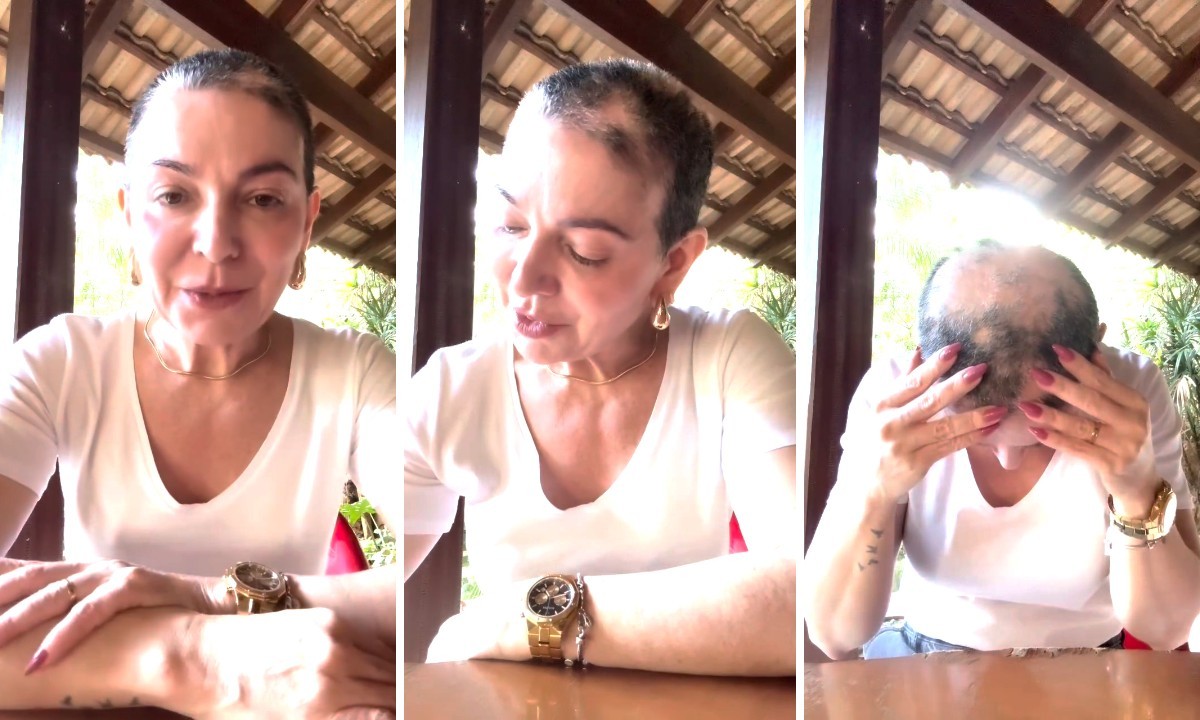
Karina Lucco, mother of Brazilian singer Lucas Lucco, has revealed her return to a battle with alopecia areata, a chronic autoimmune condition causing hair loss. After months of recovery, Lucco noticed new bald patches appearing rapidly on her scalp, expressing frustration but vowing to continue treatment. Experts explain that alopecia areata is unpredictable, with the immune system attacking hair follicles without destroying them, allowing for potential regrowth. Approximately 2% of the population will experience this condition at some point in their lives, with symptoms ranging from small patches to total hair loss on the scalp or body. The disease significantly impacts patients' self-esteem, visual identity, and overall mental health, with some experiencing severe depression and anxiety comparable to other serious illnesses. While effective treatments exist, the high monthly cost of modern medications, around R$1800, and the lack of public health policies make them inaccessible for many. The Ministry of Health has not yet received a demand to incorporate the drug ritlecitinib into the SUS public health system, despite its potential to revolutionize treatment. The condition can affect anyone, regardless of age or gender, and early onset in children may indicate a higher risk of more severe forms. Diagnosis is typically clinical, aided by trichoscopy, and treatment varies based on severity, with newer JAK inhibitors offering significant advancements but remaining costly.
The recurring nature and significant cost of treating alopecia areata underscore systemic challenges in healthcare access and chronic disease management. While scientific advancements offer hope, the economic barrier to essential therapies highlights a disparity between medical capability and public health implementation. This situation prompts consideration of innovative funding models or policy interventions to ensure equitable access to treatments that profoundly impact patients' quality of life and mental well-being. Furthermore, the unpredictable course of autoimmune conditions necessitates a holistic approach, integrating robust psychological support alongside medical care to address the profound psychological toll.
AI-generated to prompt reflection — not editorial opinion, not advice, not a statement of fact. How this works.