Alpe d'Huez: A Legendary Tour de France Stage of Records and Isolation
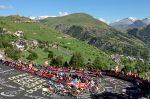
The final two mountain stages of the Tour de France are set to conclude in the French Alps. The iconic mountain village of Alpe d'Huez is steeped in legend and anticipation, as a more than 30-year-old record is on the verge of being challenged. This legendary stage often evokes a mix of intense athletic performance and profound personal solitude for the cyclists. The unique atmosphere of Alpe d'Huez, combined with the extreme physical demands of the climb, creates a dramatic spectacle for both participants and spectators. The history and mystique surrounding this particular stage contribute to its enduring appeal in the world of professional cycling. Riders face not only the challenge of the ascent but also the psychological pressures that come with performing on such a renowned and demanding course. The potential for a new record adds another layer of excitement to an already highly anticipated event.
The Alpe d'Huez stage of the Tour de France represents a confluence of athletic achievement, historical significance, and the inherent human drama of elite competition. The pursuit of records under extreme physical duress highlights the relentless drive for marginal gains and historical validation within professional sports. This event also underscores the dual nature of extreme performance: the public spectacle versus the intensely private struggle against physical and mental limits. As technology and training evolve, the pressure to break long-standing records intensifies, reflecting broader societal trends that value quantifiable achievement. The enduring allure of such iconic stages suggests a persistent human fascination with narratives of overcoming monumental challenges, a theme likely to resonate even more strongly in an increasingly automated future.
AI-generated to prompt reflection — not editorial opinion, not advice, not a statement of fact. How this works.