Alpha-actinin-2 Variants Show Diverse Mechanisms in Hypertrophic Cardiomyopathy
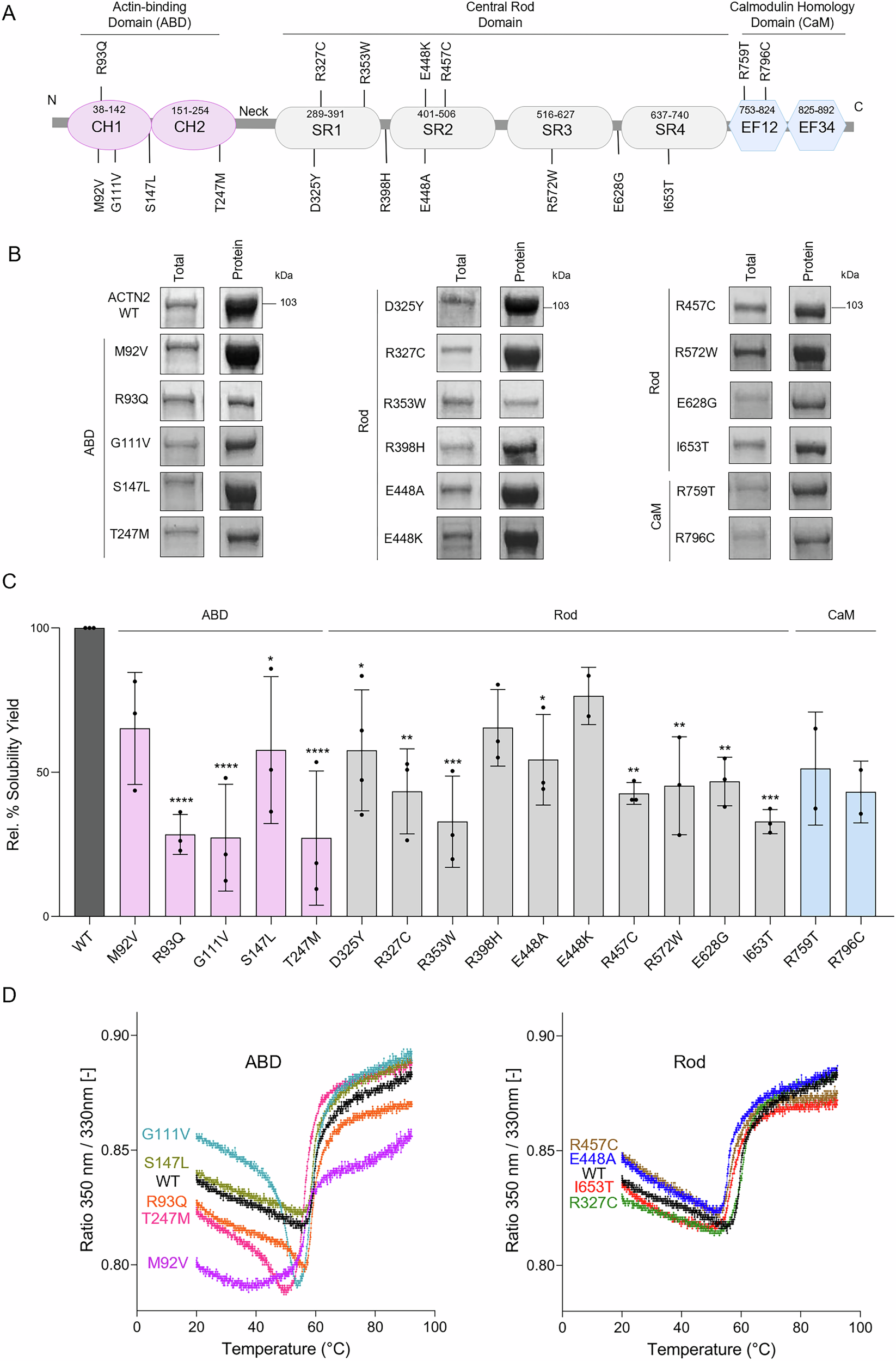
Researchers have conducted a comprehensive biophysical and structural analysis of alpha-actinin-2 variants, uncovering a diverse range of mechanisms contributing to hypertrophic cardiomyopathy (HCM). This detailed profiling provides new insights into how different mutations in the alpha-actinin-2 gene affect protein structure and function, ultimately leading to the development of this heart condition. The study aimed to elucidate the specific molecular changes that occur when alpha-actinin-2 is altered, which is crucial for understanding the progression of HCM. By examining these variants, scientists can better differentiate the pathways through which genetic defects manifest as cardiac disease. This work is expected to pave the way for more targeted diagnostic and therapeutic strategies for patients suffering from HCM. The findings highlight the complexity of genetic contributions to cardiovascular diseases and the importance of detailed protein-level investigations. Understanding these mechanistic differences is key to developing personalized medicine approaches for HCM.
This research delves into the molecular underpinnings of hypertrophic cardiomyopathy by dissecting the functional impact of alpha-actinin-2 gene variants. By moving beyond simple genetic correlation to detailed biophysical and structural profiling, the study offers a mechanistic framework for understanding disease heterogeneity. This approach allows for a more nuanced view of how genetic variations translate into cellular and tissue-level dysfunction, potentially informing future therapeutic interventions that target specific molecular pathways rather than a broad disease category. The findings underscore the importance of systems-level biological analysis in complex diseases, suggesting that understanding the interplay of protein structure, dynamics, and cellular environment is critical for predicting disease outcomes and developing effective treatments in the coming decade.
AI-generated to prompt reflection — not editorial opinion, not advice, not a statement of fact. How this works.