Alpine Hut Architecture: A Clash of Tradition and Modern Design
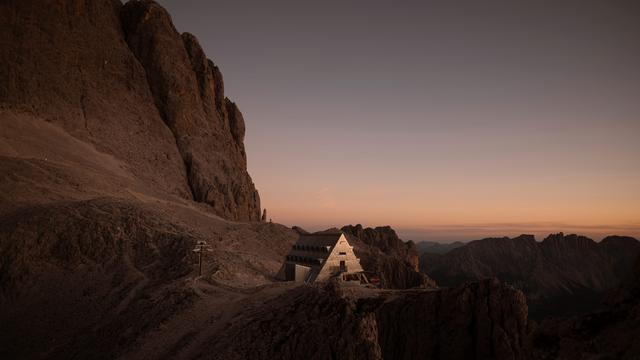
The architectural style of mountain huts in the Alps is a subject of division among various groups, including traditionalists and design enthusiasts, as well as Instagram users and seasoned mountaineers. The debate centers on how traditional and futuristic elements should be incorporated into these structures. This tension reflects broader discussions about preserving the natural landscape while embracing modern aesthetics and functionality. The differing perspectives highlight a conflict between maintaining the rustic charm associated with alpine huts and introducing innovative, contemporary designs. Ultimately, the question is how these iconic structures should evolve to meet the demands of modern visitors and environmental considerations.
The architectural evolution of alpine huts presents a fascinating case study in balancing heritage preservation with contemporary design trends and user expectations. This tension is amplified by the digital age, where visual appeal for social media platforms can influence design choices, potentially diverging from the practical needs of mountaineers or the aesthetic sensibilities of traditionalists. The challenge lies in developing governance frameworks that can accommodate diverse stakeholder interests, ensuring that new constructions or renovations respect the unique alpine environment and cultural context. Future-oriented designs might explore sustainable materials and modular construction, offering flexibility while minimizing ecological impact. The ongoing dialogue highlights the inherent difficulty in defining a singular 'correct' approach when faced with competing values and evolving societal norms.
AI-generated to prompt reflection — not editorial opinion, not advice, not a statement of fact. How this works.