Alternative Routes if Hormuz Strait Closes: A Look at Global Energy Market Resilience
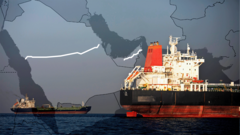
The Strait of Hormuz, a critical chokepoint for global energy markets, grants Iran significant influence. In response to this geopolitical reality, Gulf nations have been actively investing in and developing alternative infrastructure for a considerable period. This strategic foresight aims to mitigate the potential disruption to global energy supplies should the Strait of Hormuz become impassable. The development of these alternative routes is a proactive measure designed to ensure the continued flow of energy resources, even under adverse circumstances. These investments reflect a long-term strategy to diversify supply chains and reduce reliance on a single, vulnerable passage. The ongoing efforts underscore the importance of maintaining energy security in a volatile region. The global energy market's dependence on this strait has long been a point of concern, prompting these substantial infrastructure projects. The success of these alternatives will be crucial for global economic stability.
The strategic importance of the Strait of Hormuz highlights the inherent vulnerabilities in global energy supply chains that rely on narrow maritime chokepoints. Investments in alternative infrastructure by Gulf nations represent a rational response to mitigate geopolitical risks and ensure market continuity. This diversification strategy, driven by the need for energy security, reflects a broader trend of resilience-building in critical global systems. The long-term implications involve a potential shift in energy transit dynamics and a recalibration of influence for nations controlling such strategic passages. Evaluating the economic viability and scalability of these alternatives will be key to understanding their effectiveness in a future increasingly shaped by geopolitical tensions and technological advancements in energy logistics.
AI-generated to prompt reflection — not editorial opinion, not advice, not a statement of fact. How this works.