Alternative Routes If Hormuz Strait Closes: Gulf Nations' Investments
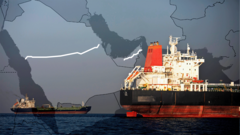
The Strait of Hormuz holds significant influence over the global energy market due to Iran's strategic position. In response to this potential vulnerability, Gulf nations have been proactively investing in and developing alternative infrastructure for a considerable period. These investments aim to mitigate the impact of any disruption to the Strait of Hormuz, ensuring continued energy supply and trade flow. The development of these alternative routes is a long-term strategy by the Gulf countries to diversify their energy export options and reduce reliance on a single, critical chokepoint. This foresight reflects a commitment to energy security and market stability in the face of geopolitical considerations.
The strategic importance of the Strait of Hormuz highlights the inherent risks in concentrating critical global trade chokepoints. Gulf nations' investments in alternative infrastructure demonstrate a rational response to mitigate geopolitical leverage and ensure energy market resilience. This proactive diversification strategy, pursued over time, reflects an understanding of long-term energy security imperatives. The development of these alternative routes may influence future energy market dynamics and trade flows, potentially reducing the singular impact of any single nation's control over key maritime passages. This approach underscores the ongoing tension between geopolitical positioning and the global need for stable, diversified energy supply chains.
AI-generated to prompt reflection — not editorial opinion, not advice, not a statement of fact. How this works.