Alternative World Cup Proposed by Rebel Nations
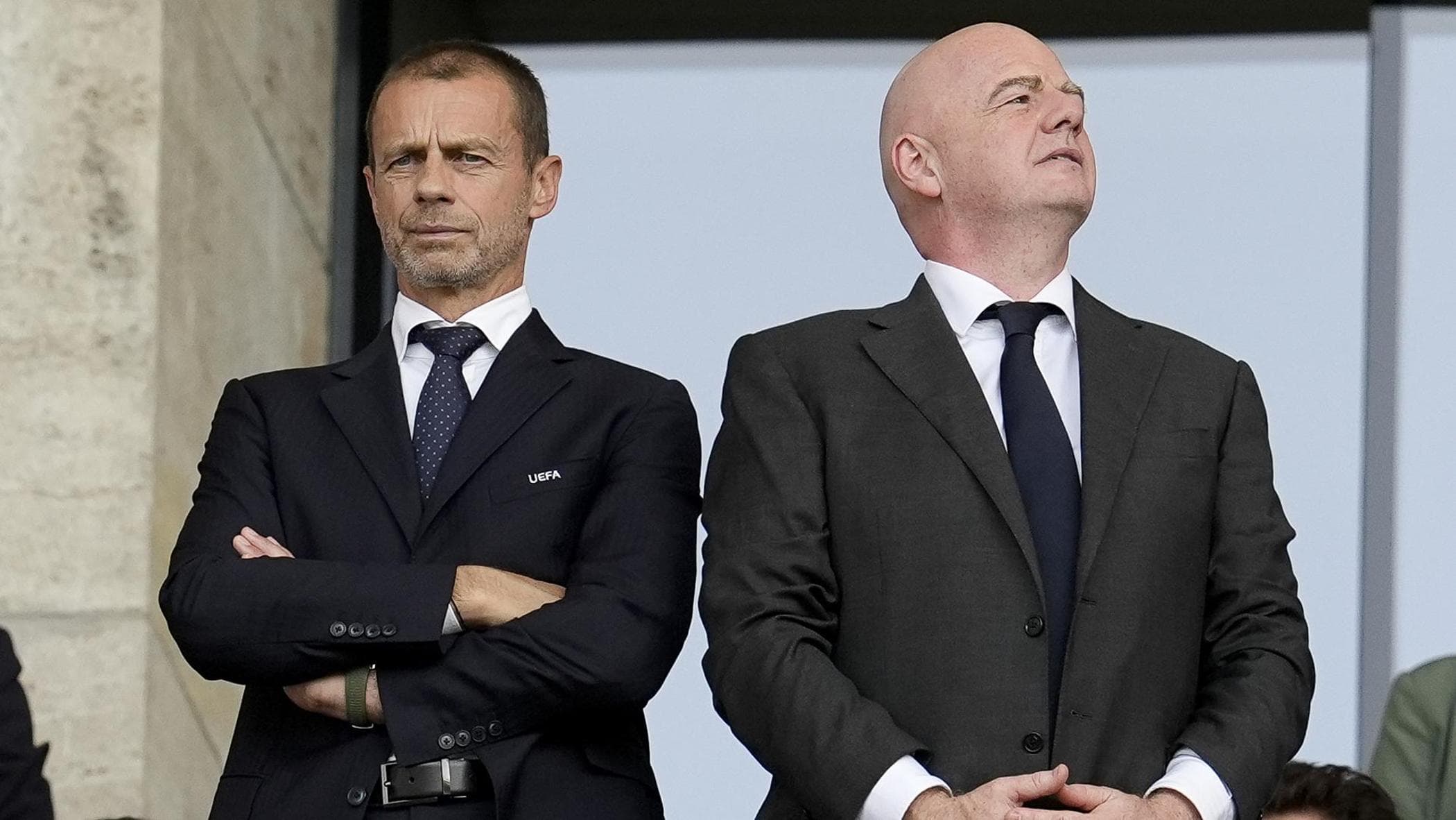
An alternative World Cup tournament has been suggested by a group of nations that oppose the current reform plans. This idea, though not a concrete proposal, is circulating among teams from Europe and Asia, along with Argentina and Brazil. The concept envisions a tournament structured differently from the existing FIFA framework. It represents a potential division within international football governance, driven by dissatisfaction with proposed changes. The participating nations are seeking a different model for global football competitions. This alternative could lead to a significant shift in the landscape of international sports.
The emergence of an alternative World Cup concept highlights underlying tensions and potential fragmentation within global football governance. Dissatisfaction with proposed reforms suggests a divergence in strategic priorities and economic interests among key footballing nations. This scenario presents a classic principal-agent problem, where member associations (agents) may seek to renegotiate their relationship with the governing body (principal) if they perceive the current direction as misaligned with their own objectives. The long-term implications could involve a bifurcated international football ecosystem, impacting broadcast rights, sponsorship, and player development pathways. Such a development would necessitate a careful recalibration of incentives to foster cooperation rather than competition between different footballing blocs.
AI-generated to prompt reflection — not editorial opinion, not advice, not a statement of fact. How this works.