Alto Tietê Region Offers Measles Vaccination Amidst State Case Increase
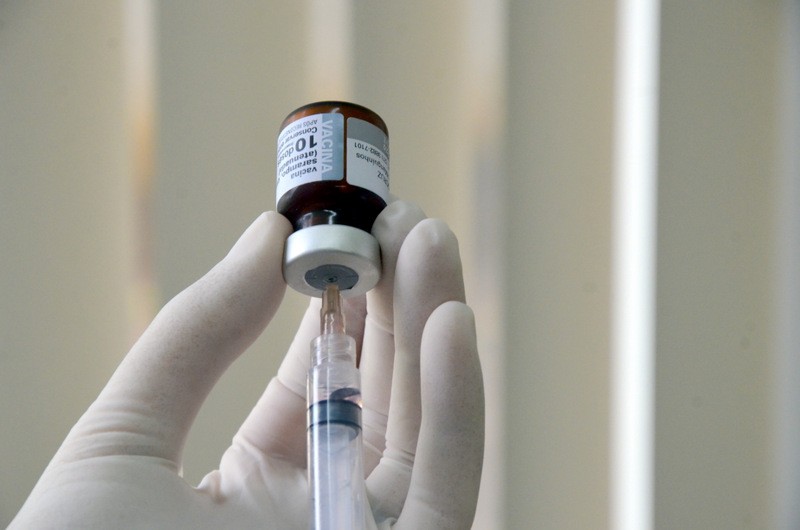
All ten cities within the Alto Tietê region of São Paulo, Brazil, are providing measles vaccinations through their public health networks. Notably, the region has reported no confirmed measles cases in 2026, according to data gathered from local municipalities. This proactive measure comes as the state of São Paulo has seen a resurgence of the disease, with seven confirmed cases in 2026, primarily in the capital and Guarulhos. Consequently, Alto Tietê municipalities are intensifying public health alerts to ensure residents maintain up-to-date vaccination records. While the region recorded 26 suspected cases in 2025 and three in 2026, all were dismissed after thorough investigation. The measles vaccine is administered free of charge at Basic Health Units (UBSs) and adheres to the Ministry of Health's guidelines for children, adults, and healthcare professionals. The Ministry of Health emphasizes that measles is a highly contagious infectious disease and a significant historical cause of infant mortality. Despite vaccination advancements, it remains a public health challenge, particularly in areas with suboptimal vaccination coverage, posing risks of severe complications, especially for unvaccinated children and those with incomplete immunization. The vaccine, available through the SUS, protects against measles, mumps, and rubella (MMR) or measles, mumps, rubella, and varicella (MMRV).
The proactive vaccination campaign in Alto Tietê, despite the absence of local confirmed cases in 2026, reflects a strategic public health response to regional and state-level epidemiological trends. This approach prioritizes preventative measures by leveraging existing health infrastructure to mitigate the risk of imported infections, particularly in light of increased cases in nearby Guarulhos and the state capital. The emphasis on maintaining high vaccination coverage serves as a critical buffer against potential outbreaks, aligning with global health recommendations for infectious disease control. The initiative underscores the importance of robust, accessible public health services in safeguarding communities against preventable diseases, demonstrating a system's capacity to adapt to evolving health threats by reinforcing routine immunization programs.
AI-generated to prompt reflection — not editorial opinion, not advice, not a statement of fact. How this works.