Alto Tietê Students: Navigating Free and Discounted Transit Benefits
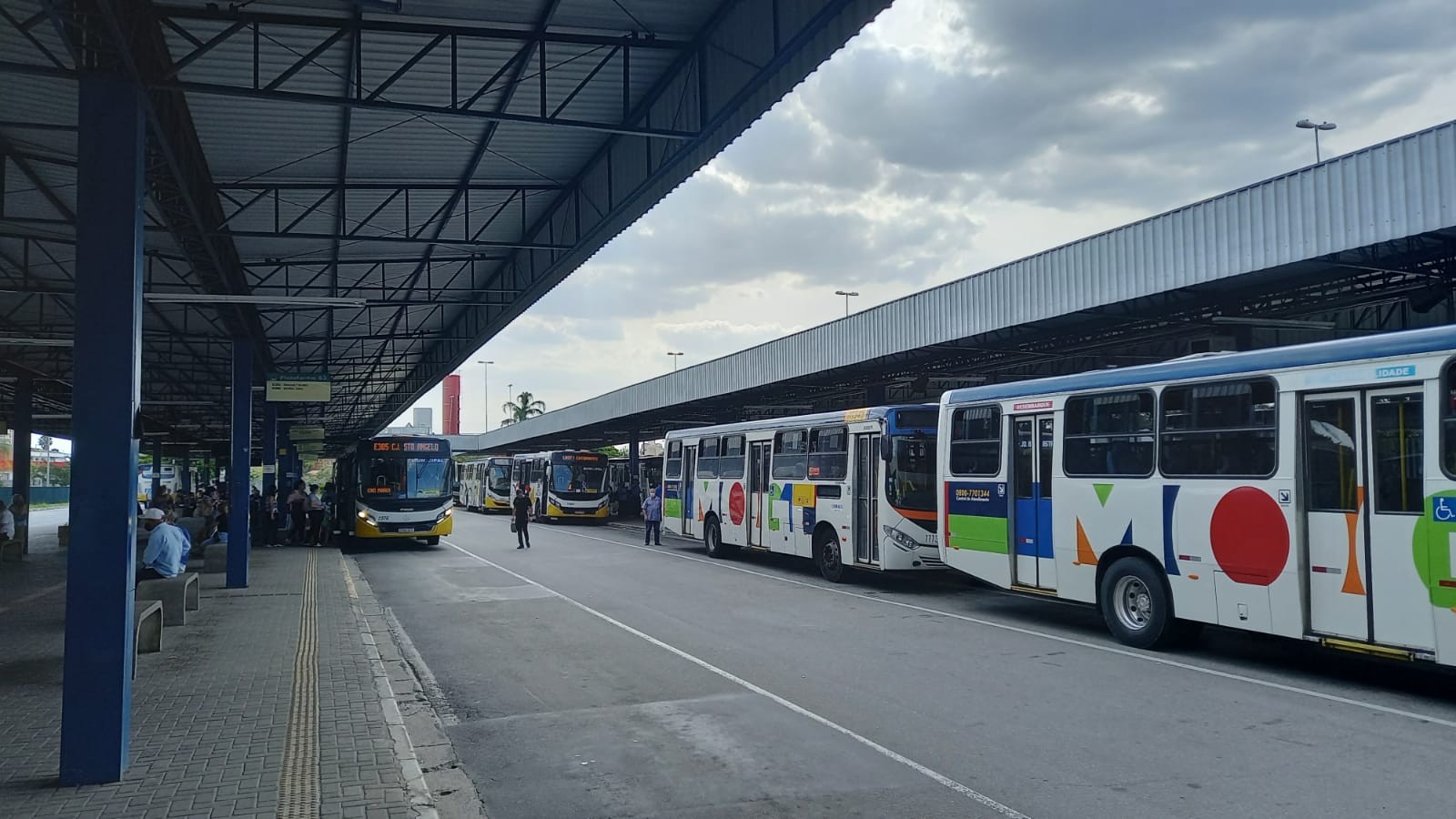
Six municipalities in the Alto Tietê region of Brazil offer student transit benefits, but eligibility and application processes vary significantly. Ferraz de Vasconcelos provides free municipal bus transport for higher education students who meet specific distance and socioeconomic criteria, with registration open until July 20th for the second semester of 2026. Guararema offers free municipal transit for all ages and provides intermunicipal transit benefits for technical and higher education students who reside in the city, are enrolled in neighboring municipalities, and have a family income of up to 1.5 minimum wages. Itaquaquecetuba grants a half-fare on public transport for students enrolled in technical and higher education, requiring a specific student card registration process. Mogi das Cruzes provides a 56% discount on municipal bus fares through a student transit card, making the fare R$2.40, but this is not valid for intermunicipal routes. Santa Isabel is accepting applications until July 31st for university transport benefits for technical and higher education students, requiring affiliation with the Afro-Brazilian Association and online registration. Suzano allows registration and re-registration for its Free Student Pass until September 30th for students meeting socioeconomic criteria, including private school students with scholarships and those in technical or higher education. Arujá and Biritiba-Mirim do not have municipal student transit programs, with Arujá directing state school students to state education guidelines and Biritiba-Mirim pointing to state intermunicipal transport services. Poá did not respond to inquiries regarding its student transit program.
The fragmented approach to student transit benefits across Alto Tietê municipalities highlights a common challenge in regional governance: the disparity in service provision and accessibility. While some cities offer comprehensive or subsidized transport, others lack any municipal program, pushing students towards state-level solutions or leaving them underserved. This inconsistency can create equity issues, disproportionately affecting students from lower socioeconomic backgrounds who rely on these benefits for educational access. Future policy discussions could explore regional coordination to standardize eligibility and application processes, potentially leveraging economies of scale for greater efficiency and broader coverage, ensuring that educational opportunities are not hindered by geographical or administrative boundaries.
AI-generated to prompt reflection — not editorial opinion, not advice, not a statement of fact. How this works.