Alto Tietê Train Lines 11 and 12 Face Major Disruptions, Causing Passenger Delays
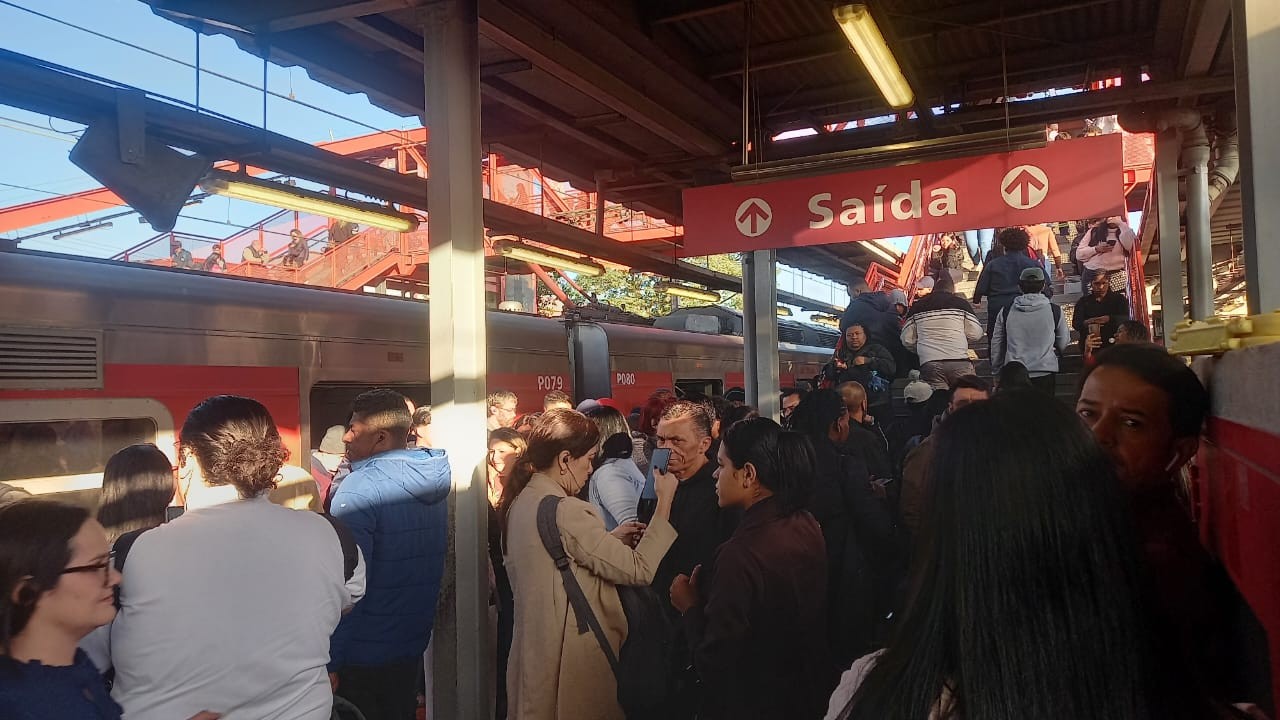
On Thursday, September 23rd, train lines 11-Coral and 12-Safira, serving the Alto Tietê region, experienced significant disruptions leading to prolonged passenger waits and overcrowded stations. The issues, which began early in the morning, caused partial and complete halts in service. By late morning, service on Line 11-Coral was reportedly normalized across its entire route. However, Line 12-Safira continued to operate partially between Tatuapé and Calmon Viana, with stations Antônio Gianetti Neto, Calmon Viana, and Ferraz de Vasconcelos reopening after being closed earlier.
Passengers recounted hours of delays, with some boarding trains as early as 6:40 AM and still not reaching their destinations over an hour later. One incident involved a train reversing and passengers being asked to evacuate a station due to a reported "customer protest" on the tracks. Another commuter experienced delays after connecting from a normal journey to find all lines stopped at Luz station, eventually reaching Calmon Viana around 11 AM. Local businesses also noted the impact, with a surge in customers seeking coffee and alternative transportation like ride-sharing services.
The concessionaire, Trivia Trens, attributed the disruption to an electrical failure in a train around 5:40 AM between Brás and Tatuapé. The company implemented an emergency support plan, deploying 36 buses and arranging free transfers with the Metro at Tatuapé and Corinthians-Itaquera stations. Trivia Trens stated their priority was passenger safety and restoring service quickly, while also apologizing for the inconvenience and advising passengers to monitor official channels for updates.
The reported train failures highlight the critical infrastructure vulnerabilities inherent in public transportation systems, particularly those serving large commuter populations. The incident underscores the cascading effects of single points of failure, where an electrical issue on one train can paralyze multiple lines and impact thousands of passengers' daily routines and economic activities. The reliance on emergency bus services and inter-agency transfers, while necessary, points to the need for enhanced system redundancy and more robust contingency planning. Future investments should consider predictive maintenance technologies and decentralized control systems to mitigate the impact of localized failures and ensure greater resilience against operational disruptions, especially as urban populations and transportation demands continue to grow.
AI-generated to prompt reflection — not editorial opinion, not advice, not a statement of fact. How this works.