Alzheimer's Affects Two in Three Women; Symptoms May Emerge Around Age 45
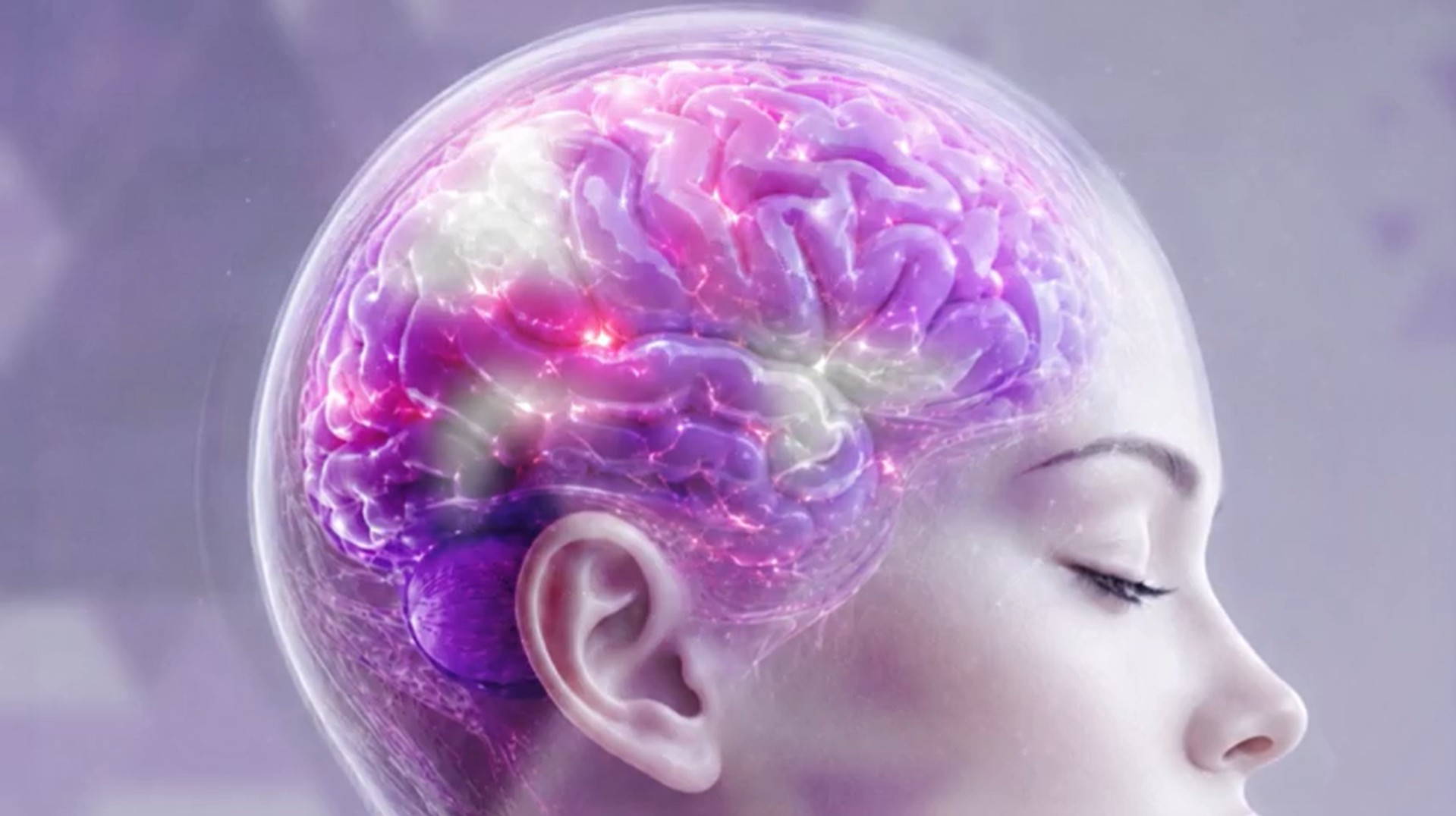
Research indicates that two out of every three individuals diagnosed with Alzheimer's disease are women, a disparity that cannot be solely attributed to women's longer lifespans. Neuroscientist Lisa Mosconi, who studies the disease's impact on the female brain, suggests that hormonal fluctuations during perimenopause and menopause play a significant role. Estrogen, a key hormone, provides crucial brain protection, including energy regulation, enhanced blood flow, and antioxidant properties. Its decline during menopause leaves the female brain less protected, potentially initiating the disease process decades before symptoms appear, possibly as early as age 45 or around age 50.
This report highlights a critical gender disparity in Alzheimer's disease, suggesting its origins may lie in biological factors like hormonal changes during menopause, rather than solely in lifestyle or longevity. The research points to the potential for early detection through blood markers, emphasizing the need for proactive health management. Future strategies may focus on targeted interventions, such as hormone replacement therapy where appropriate, alongside established healthy lifestyle choices like diet, exercise, and stress management. Understanding these early biological triggers and promoting preventative measures could significantly alter the trajectory of Alzheimer's for women in the coming decades.
AI-generated to prompt reflection — not editorial opinion, not advice, not a statement of fact. How this works.