Alzheimer's Blood Tests Offer New Diagnostic Hope for At-Risk Patients
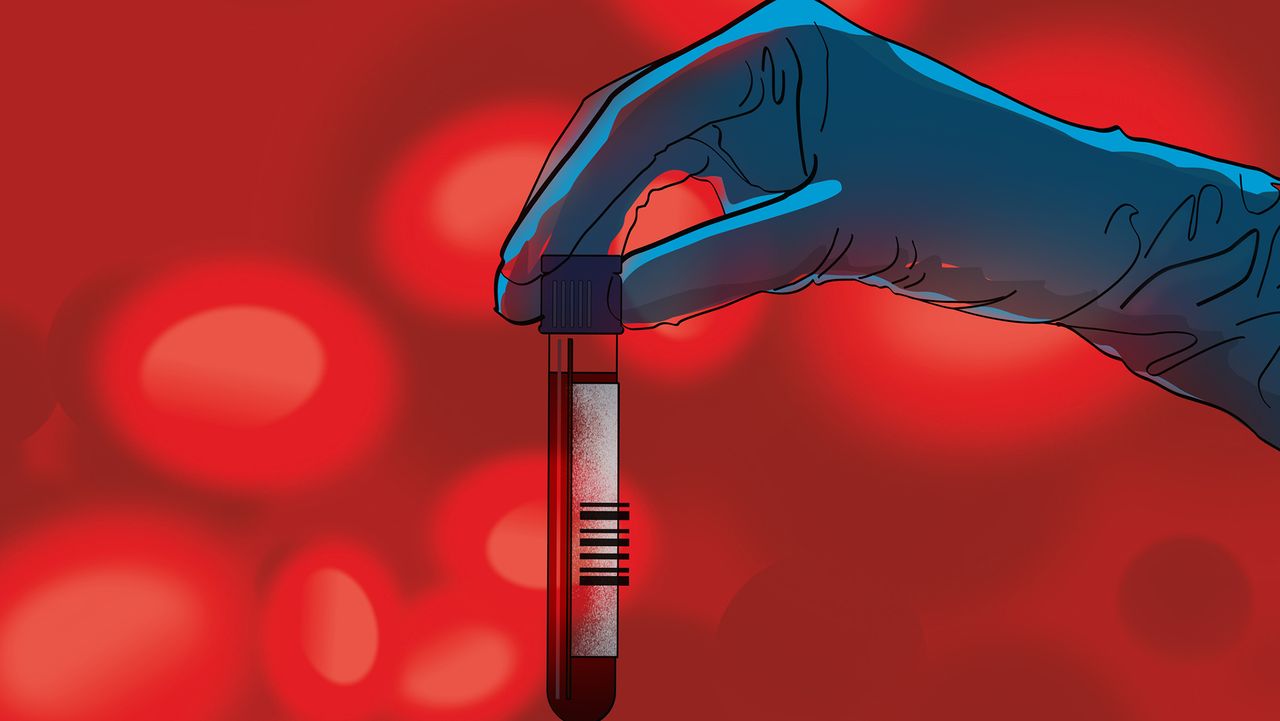
New blood tests are revolutionizing the diagnostic process for individuals at risk of Alzheimer's disease, providing much-needed clarity on their condition. These advancements were highlighted at the Alzheimer's Association International Conference held in London. The tests aim to offer a more accessible and potentially earlier method for identifying the presence of Alzheimer's-related biomarkers. This development is particularly significant for patients who may not have access to or have previously undergone more invasive diagnostic procedures. The conference served as a platform to showcase how these innovative tests are transforming the landscape of dementia diagnosis. By enabling earlier and more precise identification, these blood tests could pave the way for timely interventions and improved patient management strategies. The focus is on empowering individuals with knowledge about their health, allowing for proactive steps in managing potential cognitive decline. Live Science reported on these transformative developments from the London-based conference.
The emergence of accessible blood tests for Alzheimer's diagnosis represents a significant shift in diagnostic paradigms, moving towards earlier detection and potentially democratizing access to crucial health information. This innovation could reduce reliance on more invasive or costly diagnostic methods, thereby lowering barriers to care for at-risk populations. The long-term implications involve not only improved patient outcomes through timely intervention but also a potential acceleration of research into disease mechanisms and therapeutic development. As these technologies mature, considerations around equitable access, data privacy, and the ethical implications of widespread predictive diagnostics will become increasingly important within the evolving healthcare landscape.
AI-generated to prompt reflection — not editorial opinion, not advice, not a statement of fact. How this works.