Alzheimer's Blood Tests Show Promise for Diagnosis and Prediction
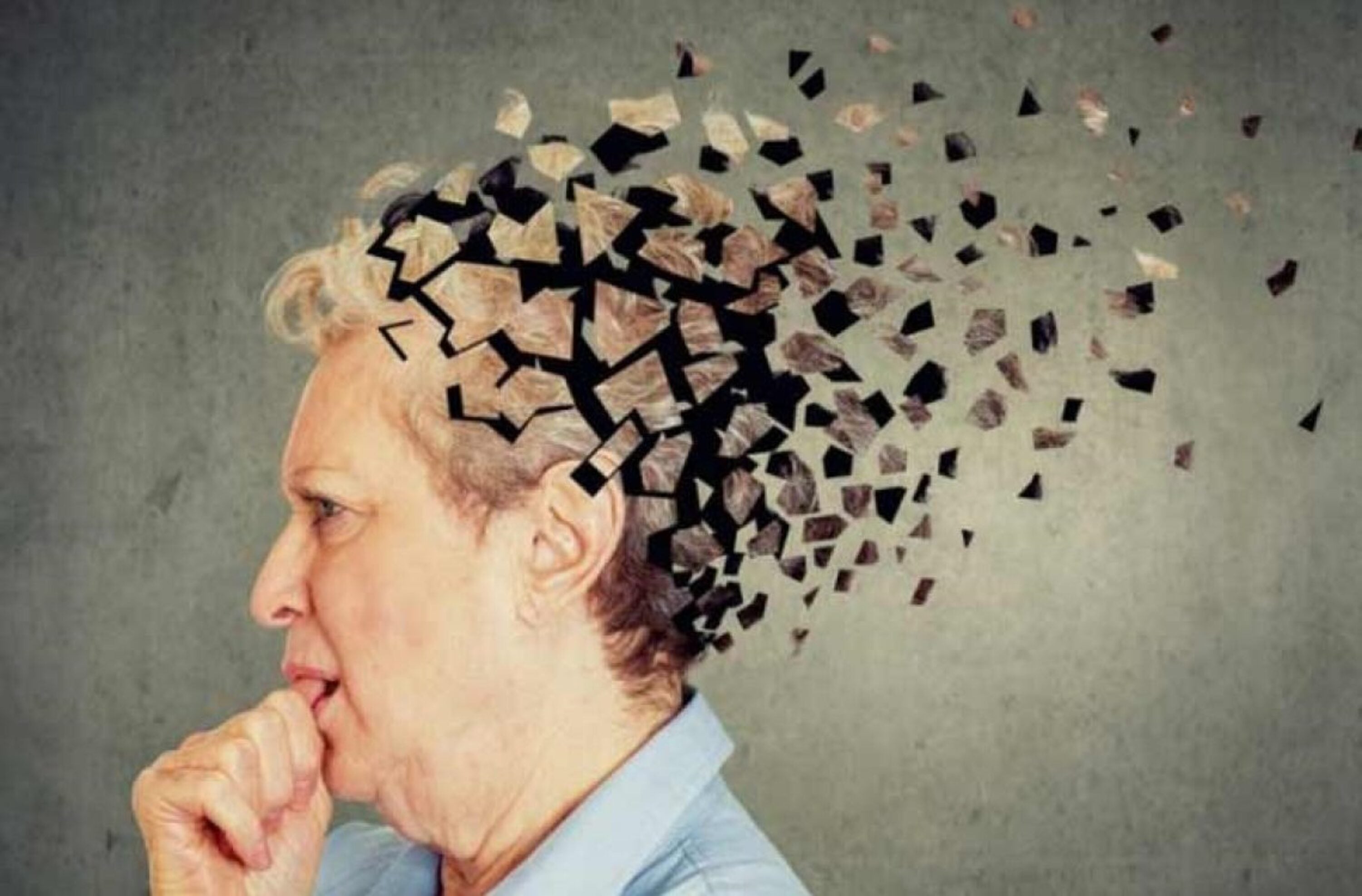
Recent studies are highlighting the potential of blood tests to revolutionize the diagnosis and prediction of Alzheimer's disease. These advancements offer a new avenue for understanding and potentially intervening in the progression of this neurodegenerative condition. The development of accurate and accessible blood biomarkers could significantly alter the landscape of Alzheimer's care. Researchers are exploring how these tests can identify individuals at early stages of the disease, even before significant cognitive decline becomes apparent. This early detection is crucial for timely intervention and the potential implementation of therapeutic strategies. Furthermore, the ability to predict the disease's trajectory could aid in clinical trial recruitment and the development of personalized treatment plans. The ongoing research aims to refine the accuracy and reliability of these tests, paving the way for their integration into routine clinical practice. Ultimately, these blood analyses hold the promise of transforming how Alzheimer's disease is managed, offering hope for improved patient outcomes.
The advancement of blood-based biomarkers for Alzheimer's disease represents a significant shift from current diagnostic methods, which are often invasive or costly. This development could democratize early detection, potentially reducing healthcare disparities and enabling more proactive patient management. The long-term implications involve not only improved clinical trial efficiency but also the possibility of earlier therapeutic interventions, which historically have shown greater efficacy when administered before substantial neurodegeneration. Future research will likely focus on validating these tests across diverse populations and integrating them into a comprehensive diagnostic framework that considers genetic and imaging data, optimizing personalized care strategies within the evolving healthcare landscape.
AI-generated to prompt reflection — not editorial opinion, not advice, not a statement of fact. How this works.