Alzheimer's Disease Linked to Mitochondrial Plaques and Lysosomal Dysfunction
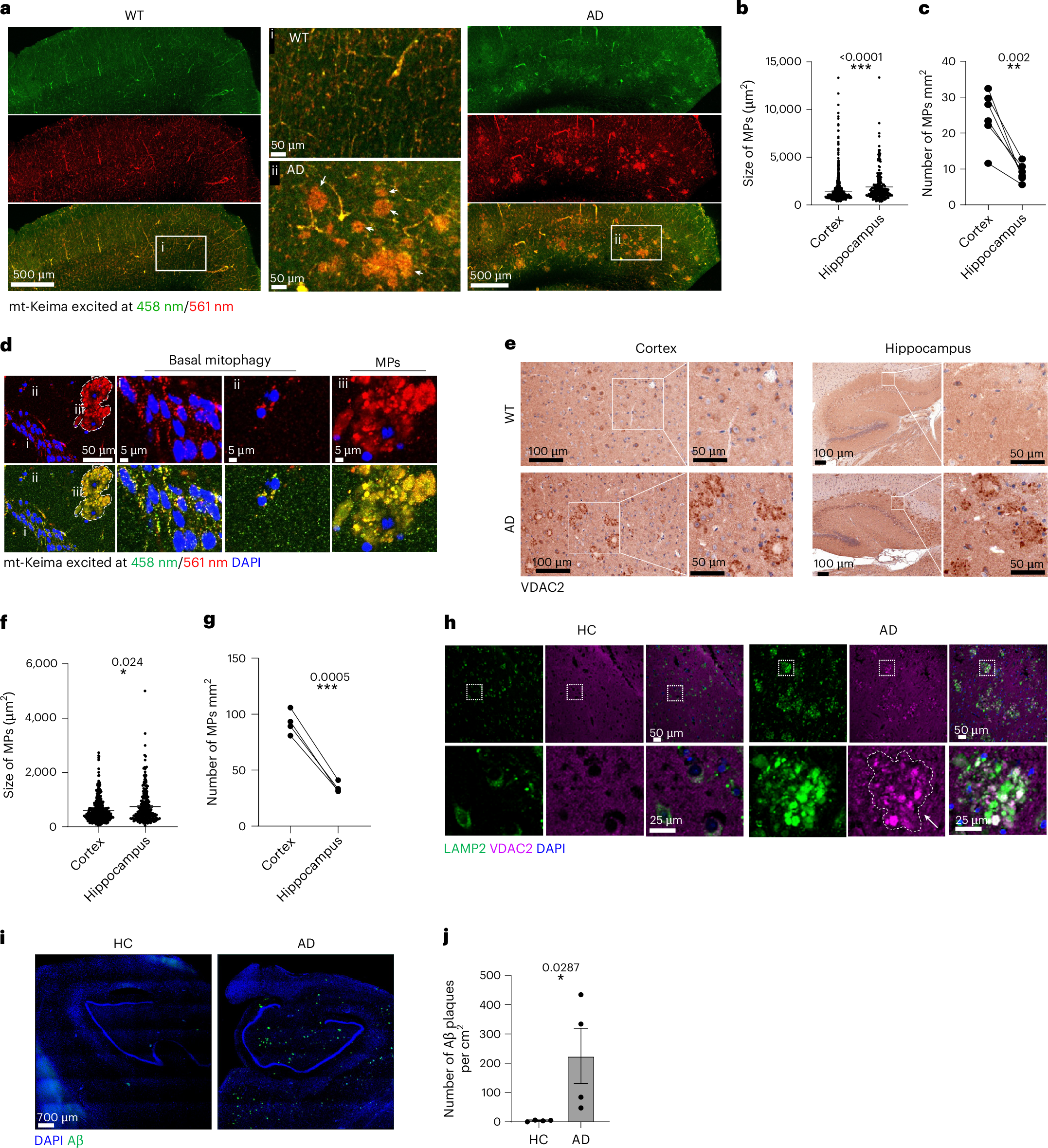
Researchers have identified a connection between the accumulation of mitochondria and impaired lysosomal function, leading to the formation of mitochondrial plaques in Alzheimer's disease. These plaques are abnormal structures found within brain cells affected by the condition. The study suggests that when mitochondria, the powerhouses of the cell, fail to be cleared properly, they can aggregate. This accumulation, coupled with the breakdown of lysosomes—the cell's recycling centers—contributes to the pathological hallmarks of Alzheimer's. Lysosomes are crucial for degrading damaged cellular components, including excess mitochondria. Their dysfunction means these damaged organelles persist and can form these distinct plaques. This discovery offers a new perspective on the cellular mechanisms driving Alzheimer's progression. Understanding this process could pave the way for novel therapeutic strategies targeting mitochondrial health and lysosomal activity. The findings highlight the complex interplay of cellular processes that go awry in neurodegenerative diseases. Further research is needed to fully elucidate the causal relationships and therapeutic potential.
This research points to a potential systemic failure in cellular waste management within Alzheimer's disease, specifically concerning mitochondria. The accumulation of these organelles, alongside compromised lysosomal degradation, suggests an imbalance in cellular homeostasis. Future therapeutic approaches might focus on enhancing mitochondrial clearance pathways or boosting lysosomal efficiency. Examining the efficiency of cellular recycling mechanisms in aging populations and individuals predisposed to neurodegeneration could reveal broader public health implications. Understanding these intracellular dynamics offers a lens through which to view the progression of neurodegenerative conditions, potentially shifting focus from solely protein aggregation to broader cellular health.
AI-generated to prompt reflection — not editorial opinion, not advice, not a statement of fact. How this works.