Amantani Island's Tourism Transformation: A Living Museum Dilemma
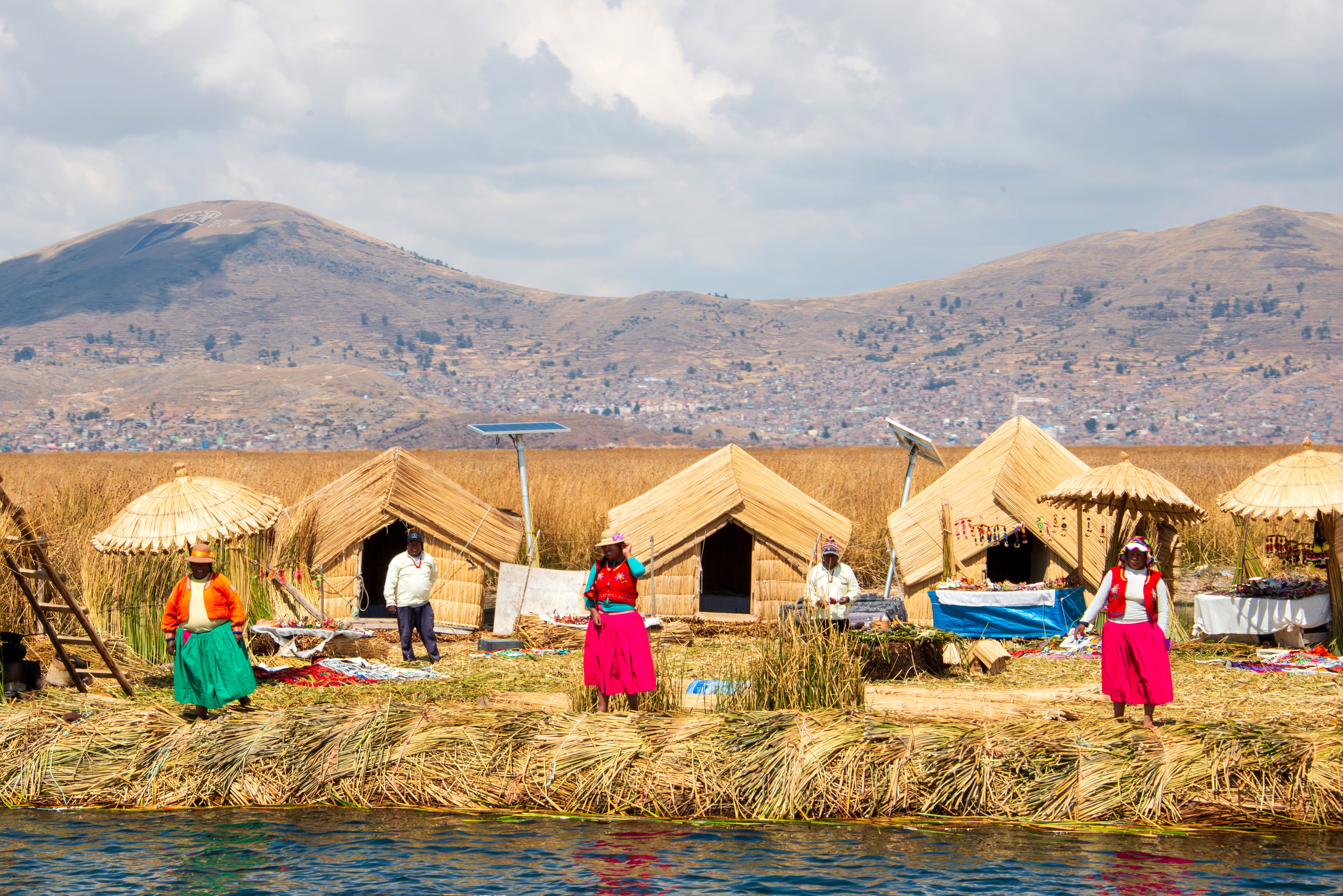
Twenty years ago, the Peruvian island of Amantani on Lake Titicaca lacked hotels, restaurants, cars, and electricity. Today, the island has undergone significant changes due to the influx of tourism. This transformation raises questions about the ethics of preserving certain global locations as "living museums" for foreign visitors. The core of the reflection centers on whether it is justifiable to expect specific regions of the world to remain static and undeveloped solely for the aesthetic or experiential desires of tourists. The article prompts a consideration of the impact of external economic and cultural forces on local communities and their environments. It questions the right to impose such preservationist demands on places that could otherwise evolve. The narrative highlights the inherent tension between cultural preservation and the natural progression of societal development, particularly when driven by external influences like tourism.
The case of Amantani Island illustrates a common dilemma in global tourism, where the desire for authentic cultural experiences can inadvertently drive the commodification and alteration of those very traditions. This dynamic creates an incentive structure where local economies may prioritize tourist appeal over organic development, potentially leading to the erosion of genuine cultural practices. The question of whether to preserve areas as 'living museums' versus allowing natural evolution highlights a conflict between external expectations and internal self-determination. Future considerations should focus on sustainable tourism models that empower local communities to guide their own development trajectory, ensuring that economic benefits do not come at the cost of cultural integrity or environmental well-being. This requires a nuanced approach that balances preservationist ideals with the right of communities to progress on their own terms.
AI-generated to prompt reflection — not editorial opinion, not advice, not a statement of fact. How this works.