Amapá Civil Police Investigate Animal Cruelty and Deaths at Federal University
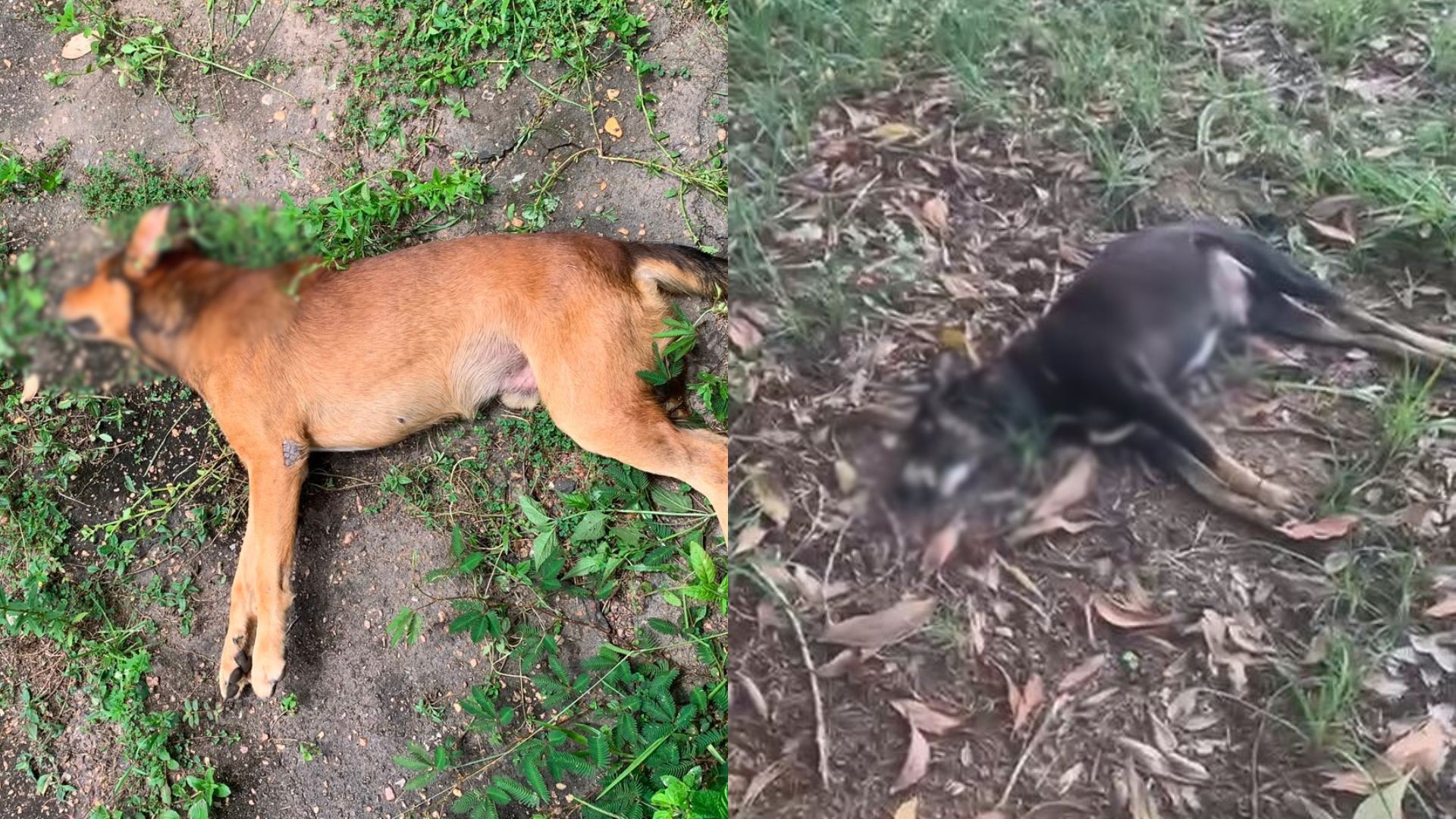
The Civil Police of Amapá have launched an investigation into the deaths and mistreatment of community animals on the Marco Zero campus of the Federal University of Amapá (Unifap) in Macapá. The investigation is ongoing and has been prioritized due to its social significance, aiming to identify those responsible and clarify the circumstances surrounding the alleged abuse. Students and volunteers from the "Projeto Mi-au," an organization dedicated to protecting the university's cats and dogs, have reported numerous incidents. These include poisonings, the use of shoe adhesive on animals' fur, beatings, and even the decapitation of a cat. Recent cases involve animals found with clear signs of violence, such as a cat with a broken jaw and a community dog named "Marginal" that died near the Pro-Rectory of Extension and Community Actions building. In a prior incident, a forensic report confirmed the poisoning of a dog named "Leão." A biology student and project volunteer, Wevertom Lorran, stated that these crimes appear to intensify during periods of reduced campus activity, noting that such incidents have been occurring for over a year and include disappearances. The Civil Police are appealing to the public for assistance, requesting any information, photos, or videos be sent to the 9th Police Station of Macapá via WhatsApp at 96 98104-1898 or by calling 190, with caller identity guaranteed to be confidential. The current legislation, Law No. 14.064/2020, stipulates penalties of 2 to 5 years imprisonment, fines, and a ban on animal ownership for those convicted of crimes against dogs and cats.
The reported incidents of animal cruelty at Unifap highlight a concerning pattern of violence that escalates during periods of low campus activity. This suggests that the perpetrators may be exploiting the reduced visibility and oversight to commit these acts. The investigation by the Civil Police is crucial for accountability and deterrence. From a systemic perspective, universities must consider the implications of community animal populations on campus, including the potential for conflict and the responsibility for their welfare. Exploring proactive measures, such as enhanced security during academic breaks and community education programs on animal welfare, could mitigate future occurrences. The legal framework in Brazil provides a basis for prosecution, but effective enforcement relies on community cooperation and robust investigative processes to ensure justice for the animals and prevent further harm.
AI-generated to prompt reflection — not editorial opinion, not advice, not a statement of fact. How this works.
