Amapá Court of Justice Appoints Two New Female Judges
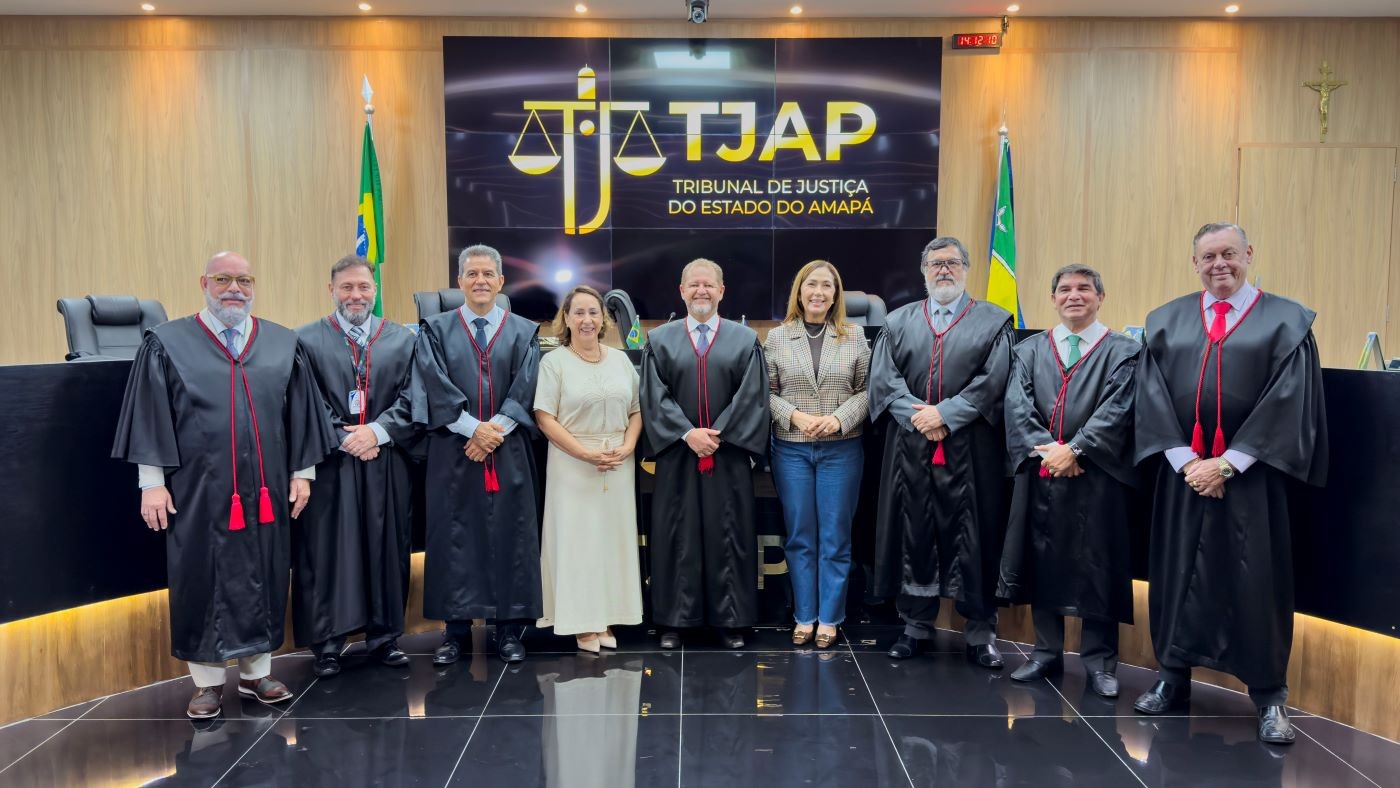
The Court of Justice of Amapá (Tjap) has appointed two new female judges, Alaíde de Paula and Stella Ramos, to fill vacancies left by the retirements of Gilberto Pinheiro and Mário Mazurek. This decision, made on Wednesday, April 29th, is seen as a significant step forward for female representation within the judiciary of the Amapá region. Judge Alaíde de Paula was selected based on merit, a criterion that evaluates productivity, decision quality, clarity, legal reasoning, attendance, and dedication. Judge Stella Ramos was chosen based on seniority, which considers length of service, provided the magistrate has no pending cases or disciplinary actions. These selection criteria align with the Organic Law of the Magistracy and guidelines from the National Council of Justice (CNJ), which promote gender diversity in promotions. Stella Ramos expressed that this appointment signifies a culmination of a long career and a moment of shared accomplishment with colleagues and family. She is recognized for her productivity and technical expertise, embodying a commitment to judicial modernization and transparency. Alaíde de Paula, who has served in the Amapá judiciary for 35 years, conveyed immense joy and satisfaction upon her unanimous selection, emphasizing the honor of joining the Court of Justice. Her career is marked by a reputation for firmness and a strong defense of judicial ethics, highlighting the value of experience and continuous dedication to public service.
The Amapá Court of Justice's appointment of two female judges, Alaíde de Paula and Stella Ramos, through merit and seniority criteria, respectively, reflects a systemic effort to enhance gender representation in the judiciary. This move aligns with national directives encouraging diversity in judicial promotions, addressing potential historical imbalances. The dual criteria ensure that both demonstrated competence and accumulated experience are recognized, offering a balanced approach to career progression. This development could foster a more inclusive judicial environment and potentially influence decision-making by incorporating a broader range of perspectives, thereby strengthening public trust in the institution over the coming decade.
AI-generated to prompt reflection — not editorial opinion, not advice, not a statement of fact. How this works.