Amapá Court Warns of Scams Using Judge Photos and Real Case Data
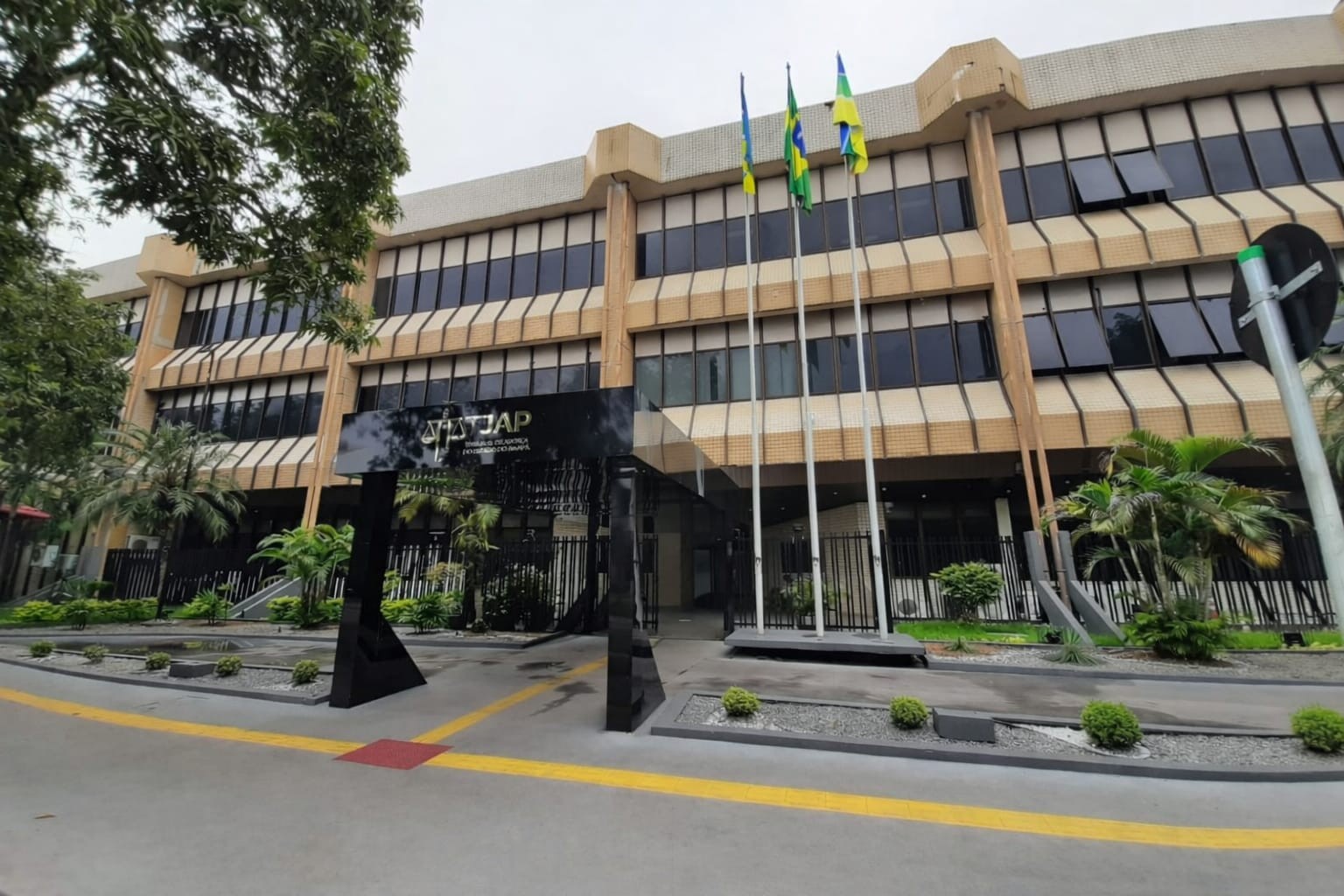
The Amapá Court of Justice (Tjap) has issued a warning about a surge in fraud schemes targeting citizens in Amapá. Scammers are impersonating judges and court employees, using their photos and real case details obtained from public court records to perpetrate these frauds. These criminal activities are being conducted via phone calls, the internet, and messaging applications. Tjap President, Judge Jayme Ferreira, urged the public to be highly suspicious of any monetary demands made in the name of the justice system, emphasizing that the court only communicates officially and never requests money directly from individuals. He clarified that the judiciary does not solicit deposits for releasing benefits. Court costs, he explained, can only be paid through official payment slips, Pix, or QR codes linked exclusively to Tjap's official Banco do Brasil account, with no other financial institution authorized to receive such payments. The fraudsters exploit publicly available case information, identifying lawsuits with potential payouts and gathering details about the involved parties. They then use cloned phones or fake profiles to contact victims, demanding an upfront payment via Pix under the false pretense of releasing funds. To combat these scams, the court has enhanced its IT system security and restricted the public visibility of certain case documents. According to Judge André Gonçalves, only final decisions and sentences are now openly accessible. The court encourages the public to rely solely on official channels for information and assistance, including in-person visits to the forums and the "Balcão Virtual" (Virtual Counter) available on the Tjap website. He also advised that official WhatsApp lines are available, and in cases of doubt or discomfort, citizens should visit a courthouse in person.
This situation highlights a vulnerability in public access to judicial information, which, while intended for transparency, can be exploited by malicious actors. The Tjap's response, involving enhanced system security and restricted document visibility, represents a trade-off between open access and safeguarding citizens from fraud. Moving forward, technological solutions that balance transparency with robust identity verification and secure communication channels will be crucial. The incident underscores the growing need for digital literacy programs to educate the public on identifying and avoiding sophisticated online scams, particularly as AI-powered tools could potentially make impersonation and data manipulation more convincing in the future. The focus on official communication channels and verification processes is a necessary, albeit reactive, measure against evolving fraudulent tactics.
AI-generated to prompt reflection — not editorial opinion, not advice, not a statement of fact. How this works.
