Amapá Environmental Agency Investigates Diesel Contamination at Neighboring Well
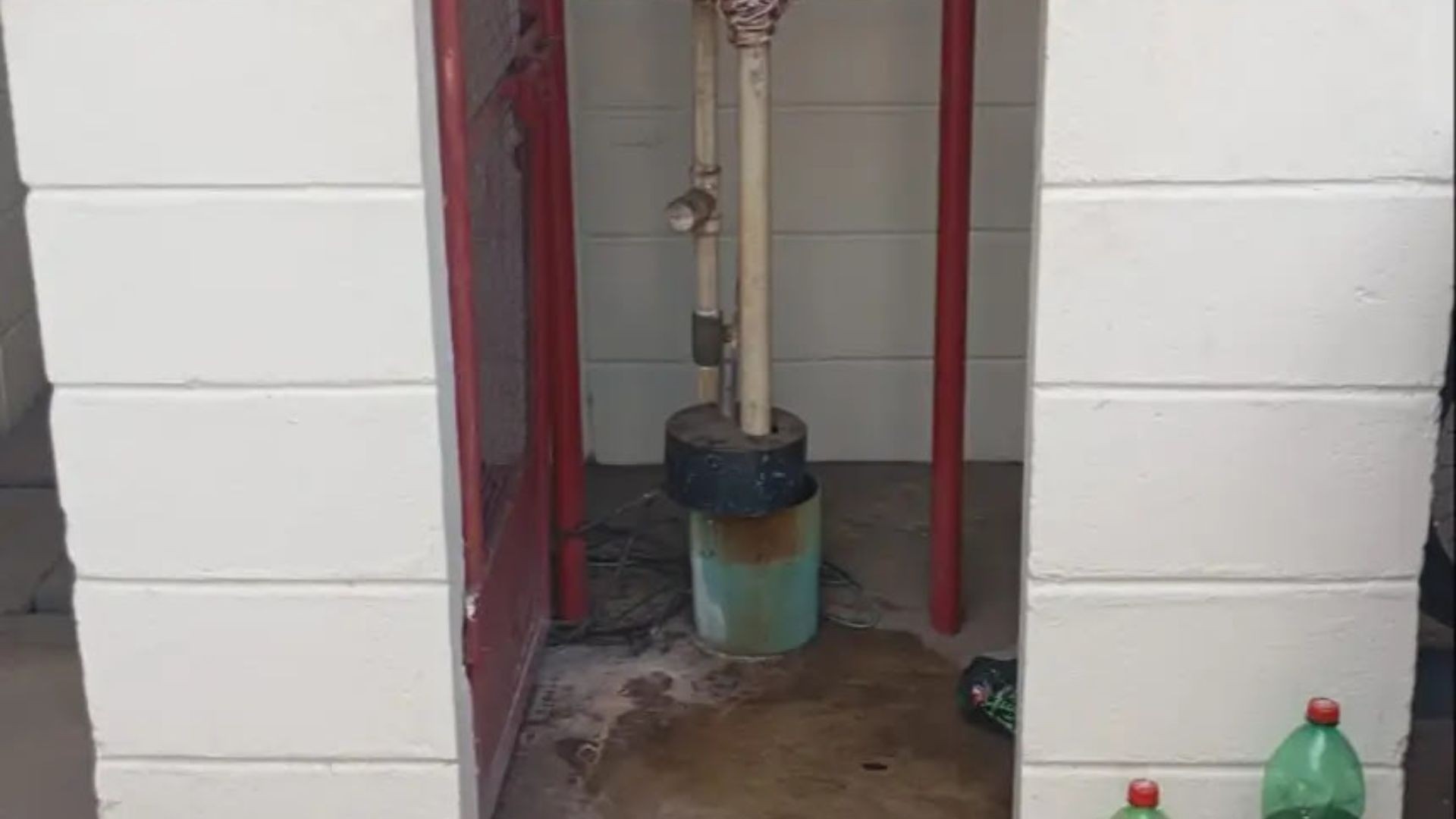
The State Secretariat for the Environment (Sema) in Amapá is investigating a fuel station in Macapá following a complaint of potential diesel contamination in a neighboring artesian well. The affected company, a beverage distributor employing over 150 workers, reported that its taps are dispensing a liquid mixed with diesel instead of water. Sema officials conducted an inspection on Wednesday, May 29th, but have not yet confirmed the contamination. The fuel station, Sema, has been given 48 hours to submit water quality reports and integrity tests for its tanks and pipelines. Fabrício Borges, Sema's Director of Environmental Control, stated that these reports are crucial to determine the cause and confirm any contamination, recommending against the use of the well water for consumption, food preparation, or hygiene until then. The investigation also considers the potential environmental impact on the nearby Lagoa dos Índios, an environmental preservation area. Sema will collaborate with the Municipal Secretariat for the Environment (Semam) and public health agencies to determine responsibility and necessary actions once the reports are analyzed.
This incident highlights the critical need for robust environmental oversight and preventative maintenance in the fuel retail sector. The investigation into potential diesel contamination underscores the systemic risks associated with underground storage tanks and distribution infrastructure, particularly concerning groundwater and nearby ecosystems like the Lagoa dos Índios. While the immediate focus is on compliance and remediation, the situation prompts a broader consideration of regulatory frameworks governing fuel station integrity testing and environmental impact assessments. Future strategies could involve mandating more frequent, independent inspections and the adoption of advanced leak detection technologies to mitigate risks proactively, thereby safeguarding public health and environmental resources against potential industrial externalities.
AI-generated to prompt reflection — not editorial opinion, not advice, not a statement of fact. How this works.