Amapá Governor Clécio Luís Fulfills Some Pledges, Leaves Key Health Projects Incomplete
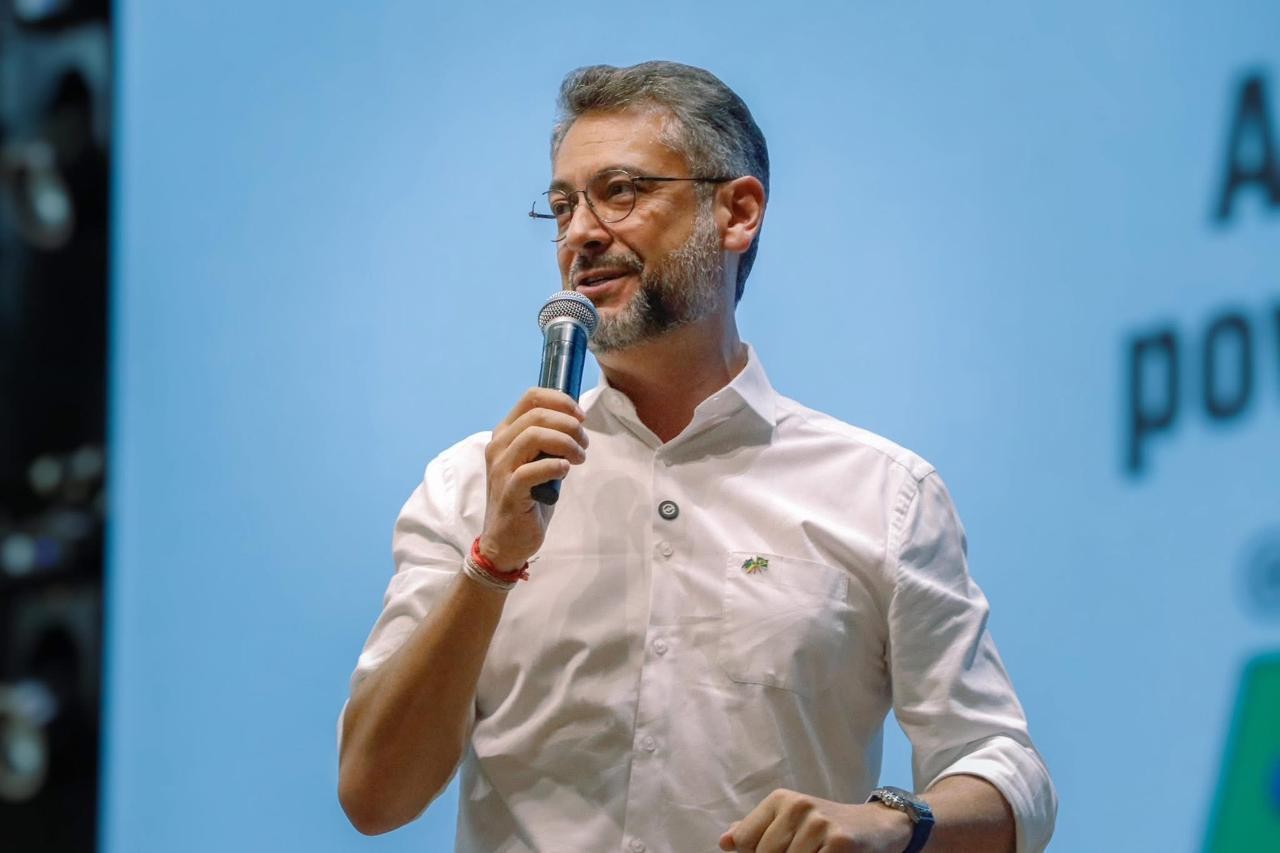
Amapá Governor Clécio Luís, seeking re-election, has fully met 19 out of 34 campaign promises made during his 2022 bid, according to a g1 analysis covering January 2023 to June 2026. While Luís has successfully implemented initiatives like a mental health center (CAPS Gentileza) and expanded the "Carreta Delas" health program, significant health infrastructure projects remain unfinished. The construction of a new Emergency Hospital (HE) in Macapá and a new UPA in the city's West Zone are both underway but are not expected to be completed until the second half of 2026, with the UPA reportedly 75% complete. Similarly, the transformation of health units into small-scale hospitals has only seen two completed by mid-2026, falling short of the promised seven. The "Zera Filas" program, aimed at reducing wait times for surgeries, was created but patient complaints about long waits persist. Other partially fulfilled promises include the Women's Health Specialties Center, which is still in the cost-assessment phase, and the full paving of the Laranjal do Jari-Vitória do Jari highway, where only a portion of the first stage has begun. On a positive note, Luís has fulfilled promises related to public safety education, social projects for the Military Police and Firefighters, and the creation of an integrated public security intelligence center, though the latter's operational status is pending despite decree issuance. Educational initiatives like the "Afrocientista" program for scientific initiation scholarships and the expansion of the Danielle Mitterrand Foreign Languages Center have also been advanced.
The Amapá governor's performance highlights a common challenge in public administration: balancing immediate, visible initiatives with complex, long-term infrastructure development. While the distribution of gas vouchers and the establishment of educational programs demonstrate responsiveness to certain public needs, the delays in critical health facilities like the Emergency Hospital and UPA suggest potential issues with project planning, resource allocation, or execution capacity. The partial fulfillment of health infrastructure promises, particularly in a sector crucial for citizen well-being, raises questions about governance priorities and the effectiveness of public procurement and construction management processes. Looking ahead, the governor's administration must address the systemic factors contributing to these delays to ensure future commitments are met within projected timelines, thereby building greater public trust and improving essential services.
AI-generated to prompt reflection — not editorial opinion, not advice, not a statement of fact. How this works.