Amapá Judge Warns of Dangers and Crimes Associated with Kite String Use
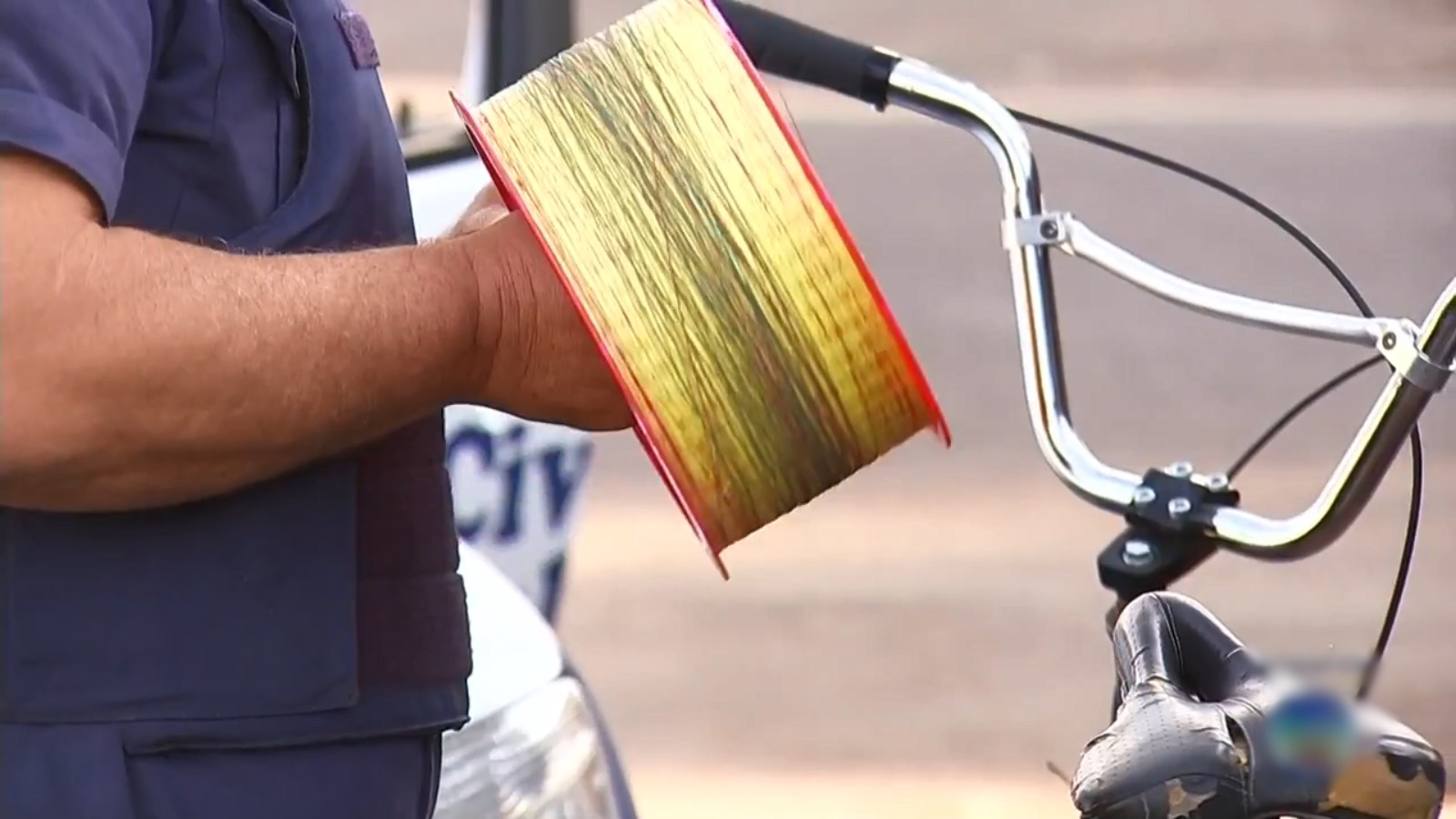
During school holidays, Judge Augusto Leite of Macapá's Special Criminal Court in Amapá, Brazil, has issued a stern warning about the severe risks and legal repercussions of using cerol (glass powder) or Chilean string on kite lines. This dangerous practice poses a significant threat to life, potentially leading to criminal and civil liability for those involved. Vulnerable victims, including motorcyclists, cyclists, and pedestrians, are particularly at risk of sustaining serious injuries or even fatalities from these cutting lines. The judge emphasized that individuals using cerol or Chilean string can face charges ranging from minor bodily harm to grievous bodily harm, and in fatal cases, can be held responsible for homicide, whether intentional or negligent, depending on the investigation. Beyond criminal penalties, perpetrators may also be compelled to provide civil compensation for damages caused to third parties. Parents can be held liable for negligence if their children cause accidents. The fabrication, distribution, and sale of cerol and Chilean string are prohibited by state and municipal laws, with potential confiscation of materials and penalties for vendors. While online sales complicate enforcement, companies selling these products can also face legal consequences. Judge Leite urged parents and guardians to closely supervise their children's activities, advocating for responsible kite flying to ensure a safer society.
The use of cerol and Chilean string in kite flying presents a clear public safety hazard, highlighting a gap between recreational activities and regulatory enforcement. While legal prohibitions exist, the accessibility of these materials, particularly through online channels, underscores a systemic challenge in controlling their proliferation. The judge's warnings about criminal and civil liability aim to deter dangerous behavior by increasing perceived risk for individuals. However, this approach primarily addresses the downstream consequences rather than upstream prevention. Future strategies could explore enhanced supply chain monitoring, public awareness campaigns focused on the severe harm caused, and community-based initiatives promoting safer kite-flying practices. The long-term challenge lies in fostering a culture of responsibility that prioritizes safety over the perceived advantage of using hazardous materials in recreational activities, especially as technology evolves and new forms of potentially dangerous pastimes emerge.
AI-generated to prompt reflection — not editorial opinion, not advice, not a statement of fact. How this works.