Amapá Leads Nation in Police Lethality for 7th Year, Data Shows
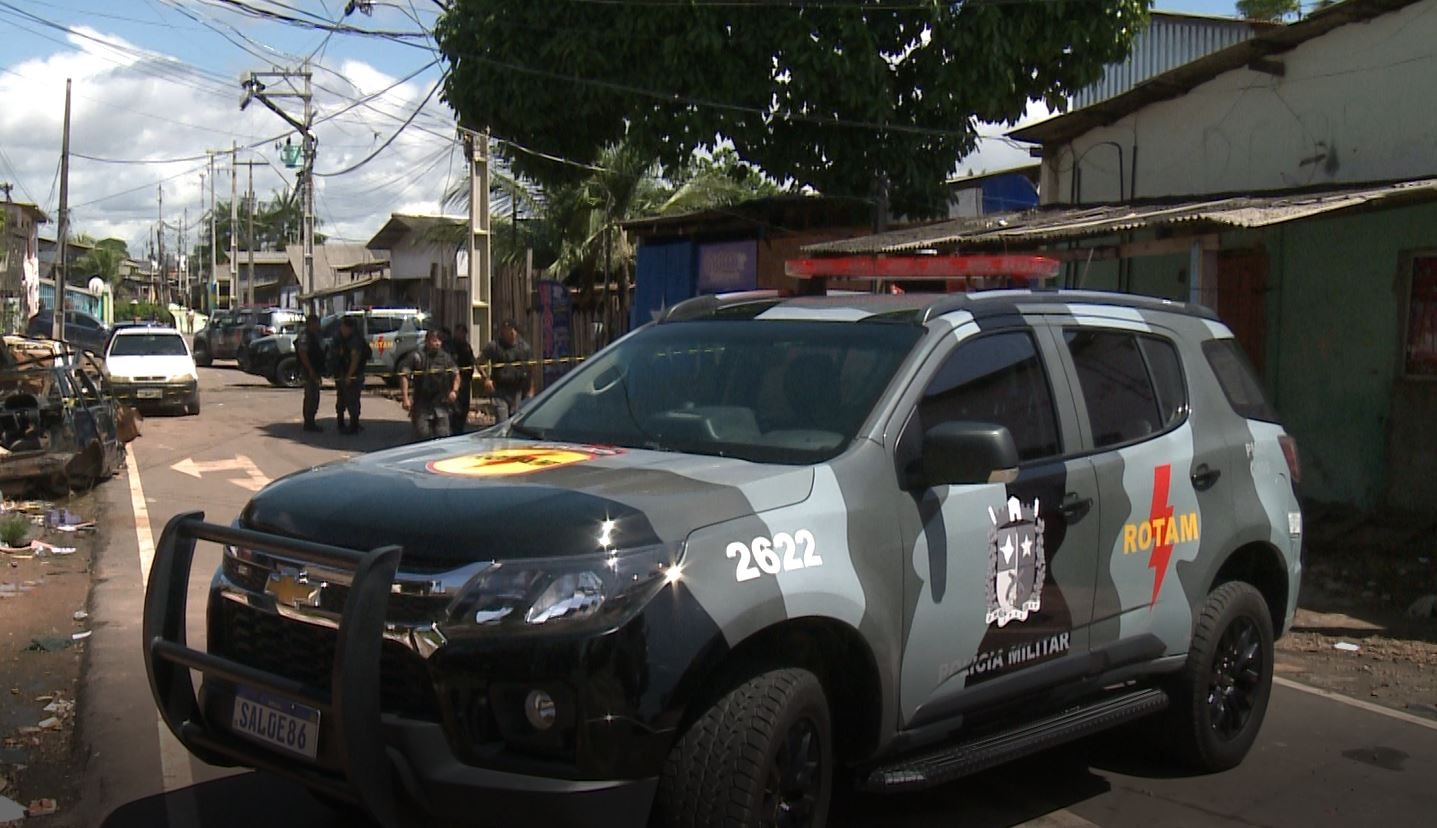
The 2026 Brazilian Public Security Yearbook reveals that the state of Amapá has the highest rate of police-related deaths for the seventh consecutive year. In 2025, Amapá recorded 17.1 deaths per 100,000 inhabitants, which is 4.5 times the national average of 6.58 deaths per 100,000 people. This translates to approximately 1.4 deaths per month per 100,000 residents in the state. The report, compiled by the Brazilian Public Security Forum, analyzes data on homicides, police lethality, and violence against women and children, comparing statistics from state secretariats. Amapá's Secretary of Justice and Public Security, Cezar Vieira, contested the yearbook's classification, stating that police interventions are not recognized as homicides by officers who are fulfilling their constitutional duty. Vieira also presented data from his secretariat indicating a reduction in interventions, from 108 between January and July 2023 to 65 in the same period of 2026, attributing this to investments in infrastructure and training. Nationally, deaths resulting from police intervention increased by 5.4% in 2025 to 6,602, the highest absolute number since 2016. These deaths now constitute 16.2% of all intentional violent deaths in Brazil, the highest proportion since this indicator began in 2014. Despite a 6% reduction in its overall violent death rate from 2024 to 2025, Amapá remains the most violent state, with a rate of 42.5 deaths per 100,000 inhabitants. The city of Santana recorded the highest rate of intentional violent deaths at 47.1 per 100,000 in 2025, though this represents a decrease from the previous year.
The data from the 2026 Brazilian Public Security Yearbook highlights a persistent and extreme disparity in police lethality in Amapá compared to the national average, a trend that has continued for seven years. While state officials point to internal data showing reductions in police interventions and attribute this to infrastructure and training investments, the yearbook's methodology, which includes police interventions under broader categories of violent deaths, presents a starkly different picture. This discrepancy underscores a critical challenge in defining and measuring police violence, potentially influenced by differing classification systems between state security agencies and national research bodies. The high rates of intentional violent deaths in Amapá, particularly in cities like Santana, suggest underlying issues of organized crime and public safety that extend beyond police actions. Future policy considerations should focus on transparent data collection, standardized definitions of police-related fatalities, and comprehensive strategies addressing both the root causes of violence and the methods of law enforcement intervention, aiming for a sustainable reduction in both crime and lethal encounters.
AI-generated to prompt reflection — not editorial opinion, not advice, not a statement of fact. How this works.