Amapá Police Uncover 20 Illegal Deforestation Sites in Federal Reserve
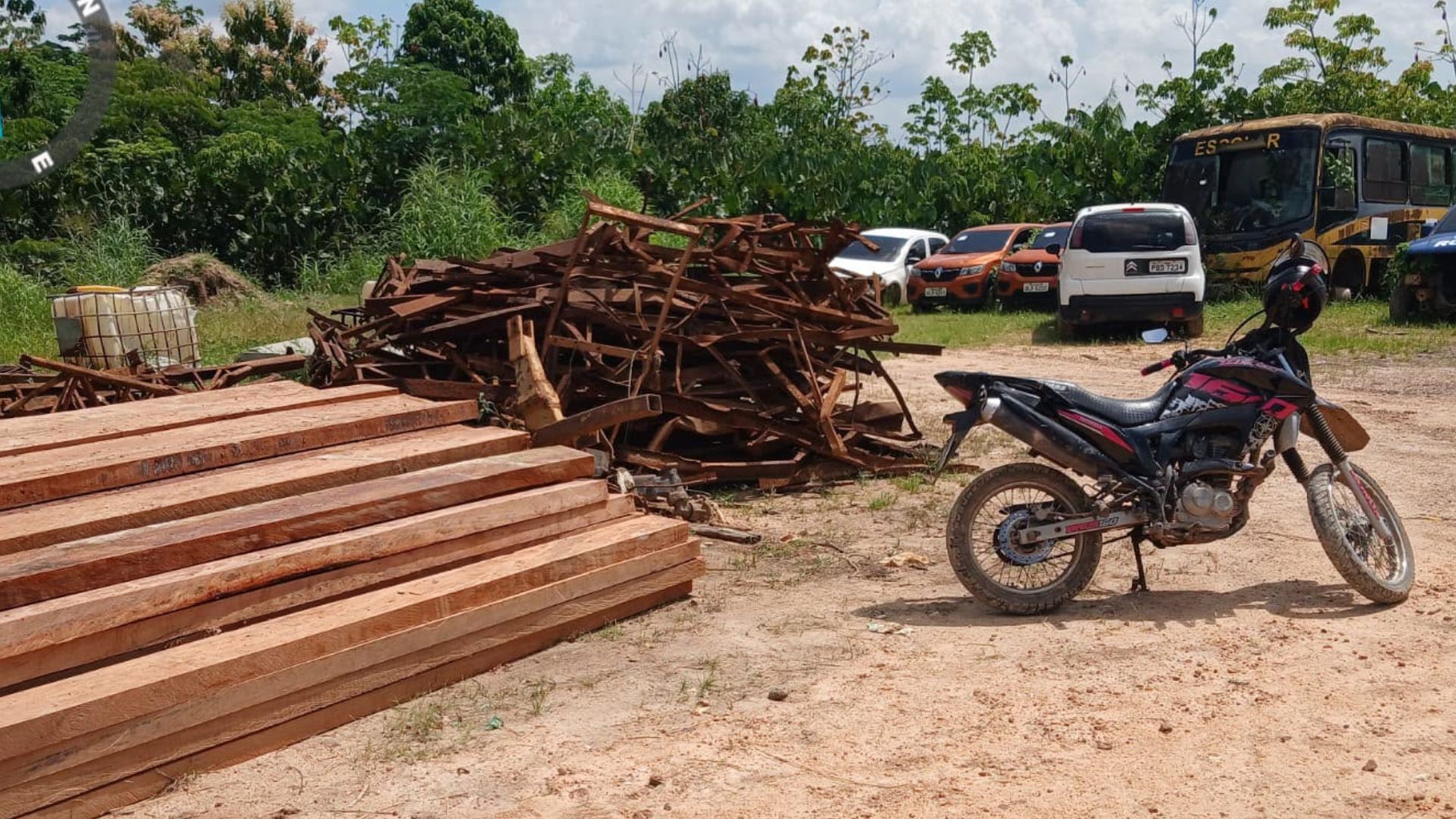
An operation by the Civil Police of Amapá has identified 20 sites of illegal forest deforestation within a federal reserve in the Vale do Jari region, located in the southern part of the state. These actions, part of the 3rd Cycle of Operation Protetor dos Biomas, were announced on Wednesday, May 15th. The operation led to the arrest of four individuals and the seizure of weapons, vehicles, and illegally extracted timber. Police officers inspected over 30 locations flagged by satellite alerts and remote sensing reports to confirm forest destruction, identify perpetrators, gather witness testimonies, and verify the absence of necessary permits for activities in the protected area. A total of 30 incident reports were filed by the agents. During the searches, two chainsaws, two shotguns with ammunition, two motorcycles, and approximately 8 cubic meters of illegal wood were confiscated. A truck used for transporting the timber was also impounded, with the seized assets estimated to have caused a financial loss of R$150,000 to those involved in the illicit activities. Three men were apprehended in the act of transporting the illegal wood, while a fourth individual, wanted for a vulnerable sexual abuse charge, was arrested after being found hiding in the forest. According to Delegate Mauro Ramos, head of the Specialized Environmental Crimes Unit, continuous police presence in the forest is crucial for disrupting the economic chain of organized crime in the region. He emphasized that the operation aimed to confirm the illicit acts, identify those responsible, and support judicial police measures, reinforcing the Civil Police's commitment to environmental preservation in Vale do Jari.
This operation highlights the ongoing challenge of enforcing environmental regulations in remote federal reserves, particularly in the face of organized illegal activities. The use of satellite technology combined with on-the-ground police work demonstrates a multi-faceted approach to combating deforestation. The financial losses incurred by the perpetrators, estimated at R$150,000, represent a tangible consequence, but the systemic issue of illegal resource extraction often involves complex supply chains and demand drivers that extend beyond localized enforcement. Future strategies may benefit from enhanced inter-agency cooperation and community engagement to create sustainable disincentives for illegal activities, addressing both the supply and demand sides of the environmental crime equation. The long-term effectiveness will depend on sustained political will and resource allocation for environmental protection agencies.
AI-generated to prompt reflection — not editorial opinion, not advice, not a statement of fact. How this works.