Amapá Political Parties Kick Off 2026 Election Calendar with Conventions
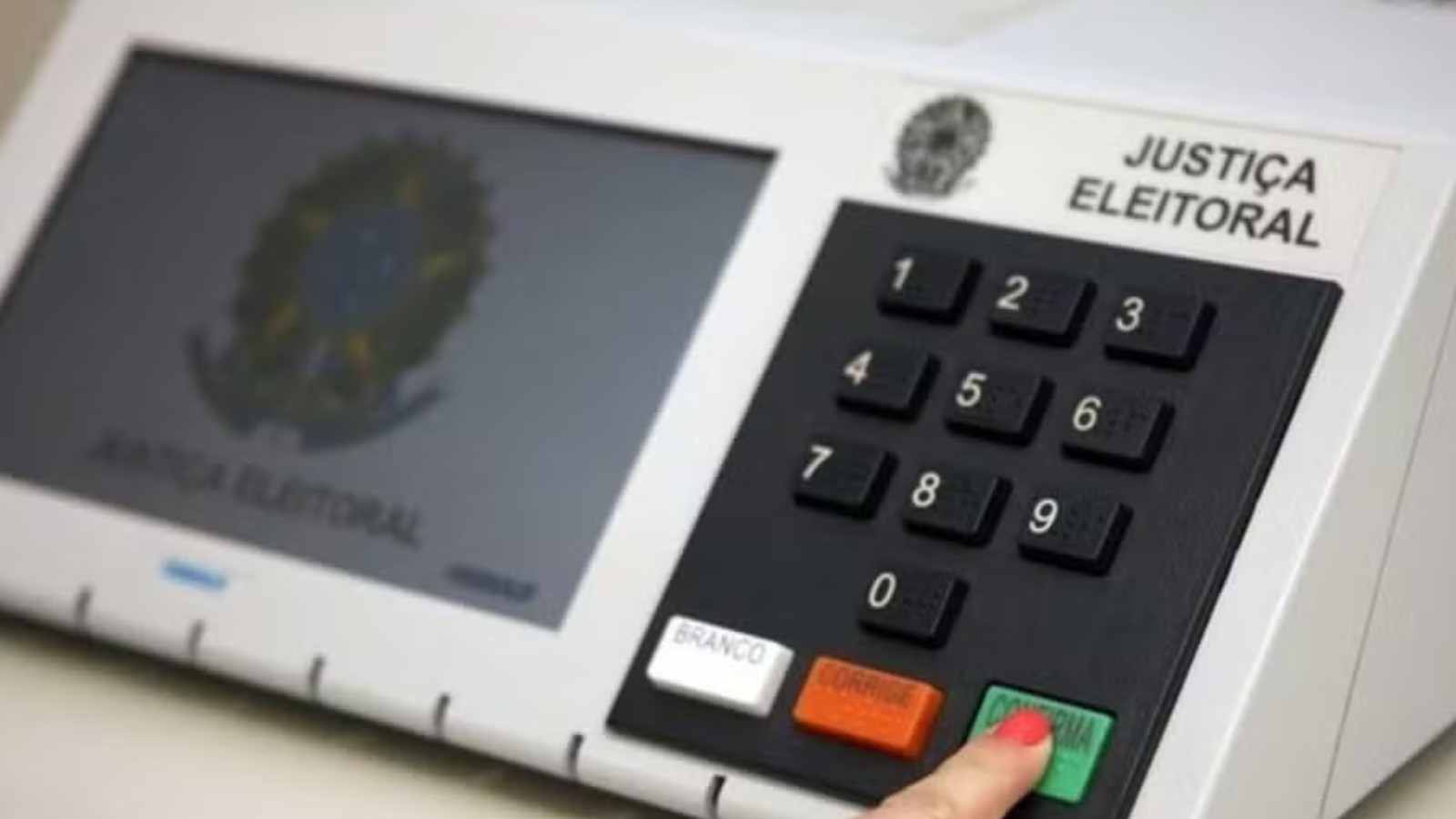
Political parties in Amapá have begun their convention season, marking the official start of the 2026 election calendar. These gatherings, which commenced on Monday, July 20th, allow parties and federations to formally nominate candidates and establish electoral alliances. The process will continue until August 5th, with various parties scheduling their conventions across different dates and locations in Macapá. Participants will decide on candidates for majoritarian elections and approve official records. The specific numbers candidates will use on voting machines are also determined during these events.
Several parties have already held or scheduled their conventions. On July 20th, the Liberal Party (PL), Podemos, and Novo held their meetings in the morning, while the Social Democratic Party (PSD) convened in the afternoon. Upcoming conventions include a joint meeting on July 23rd for the Workers' Party (PT), Communist Party of Brazil (PCdoB), Green Party (PV), Socialism and Liberty Party (PSOL), and Sustainability Network (REDE). The Unified Socialist Workers' Party (PSTU) will hold its convention on July 31st, and the Brazilian Democratic Movement (MDB) is scheduled for August 1st.
Following these conventions, parties must submit their candidate registrations to the Electoral Justice system. The official election campaign and advertising period is slated to begin on August 16th. The elections will determine candidates for President, Governor, two Senatorial seats per state, federal deputies, and state deputies. Electoral Justice regulations mandate that convention minutes and attendance lists be submitted to the TSE and published online. Parties must also demonstrate legal standing and can utilize public facilities for their conventions with prior notification and responsibility for any damages.
The initiation of party conventions in Amapá signals a critical procedural phase in the lead-up to the 2026 elections. This period is governed by strict electoral regulations designed to ensure transparency and fairness in candidate selection and alliance formation. The structured timeline and reporting requirements underscore the importance of formal processes in democratic elections, aiming to prevent disputes and maintain public trust. As parties navigate these foundational steps, the focus will shift to campaigning, where strategic communication and policy platforms will be tested against voter expectations. The system's design encourages early engagement and formalization, providing a clear framework for electoral competition over the next two years.
AI-generated to prompt reflection — not editorial opinion, not advice, not a statement of fact. How this works.