Amapá Ranks as Brazil's Most Violent State for Second Consecutive Year
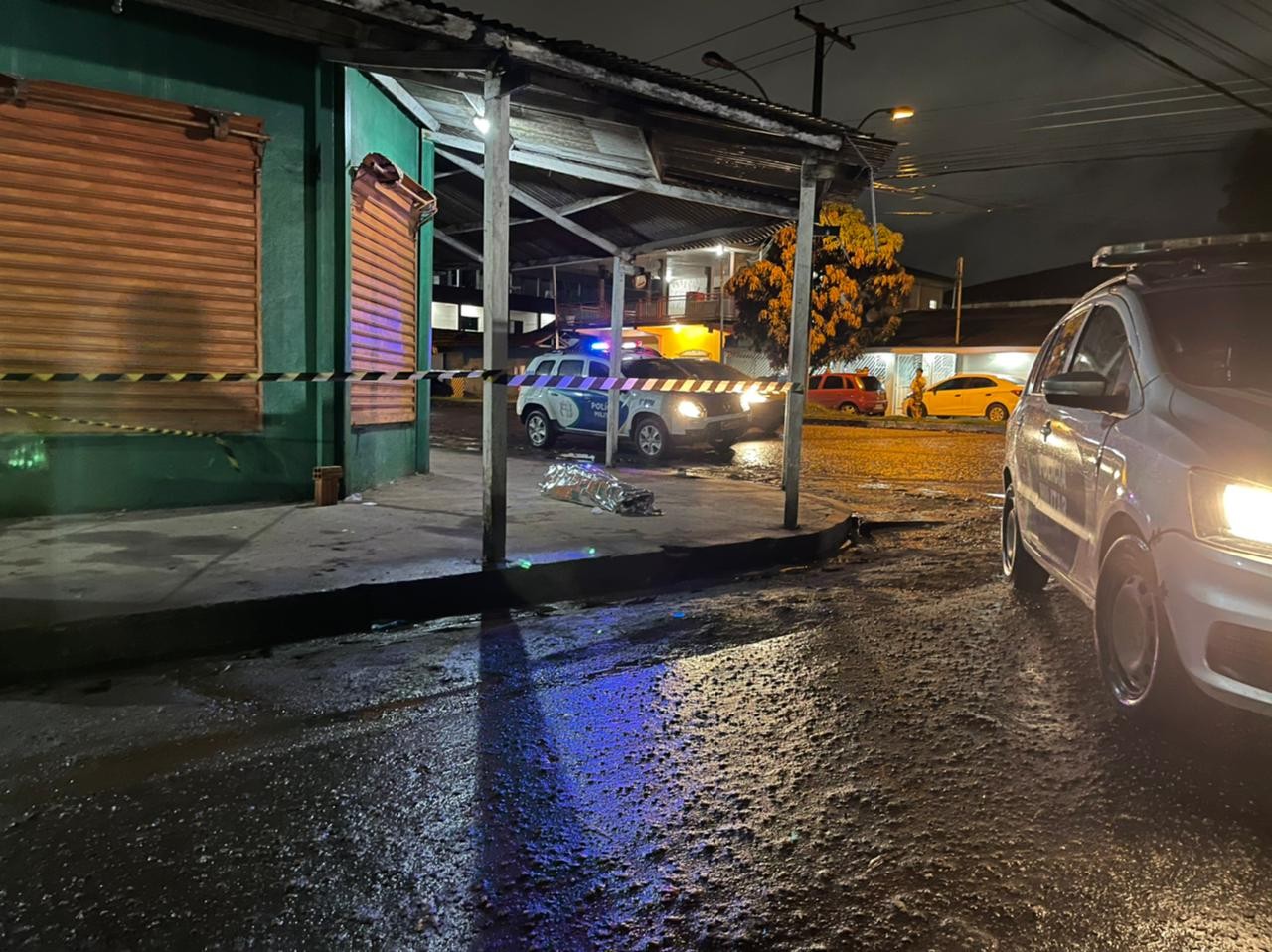
For the second year running, Amapá has been identified as Brazil's most violent state, according to the 2026 Brazilian Public Security Yearbook. Despite a 6% decrease in its intentional violent death rate from 2024 to 2025, the state's rate remains high at 42.5 deaths per 100,000 inhabitants, down from 45.2. The municipality of Santana recorded the highest rate of intentional violent deaths in 2025, with 47.1 per 100,000 residents, followed by Macapá at 36.1 per 100,000. While Santana's rate decreased from 54.1 in 2024, it still leads within the state.
Furthermore, Amapá has held the top position for police lethality nationwide for seven consecutive years, with a rate of 17.1 deaths per 100,000 inhabitants. The state also exhibits some of the highest rates of violence against women, children, and adolescents. In 2025, Amapá saw a staggering 347.7% increase in its feminicide rate, reaching 2.2 victims per 100,000 women, the highest in the country. For young people and adolescents, the state has the second-highest rate of intentional violent deaths in Brazil (9.0 per 100,000), and experienced a significant 62.5% rise in adolescents under socio-educational measures. Rates for mistreatment (187.6 per 100,000) and abandonment of dependents (95.0 per 100,000) are also notably high.
The data from the 2026 Brazilian Public Security Yearbook highlights persistent challenges in Amapá regarding public safety, with the state leading in overall violence and police lethality for extended periods. While a slight reduction in the intentional violent death rate is noted, the figures remain critically high. The disproportionate rates of violence against women and children, alongside high police lethality, suggest systemic issues that require comprehensive policy interventions. Analyzing the incentive structures within law enforcement and the socio-economic factors contributing to violence against vulnerable populations is crucial. Future strategies might benefit from cross-state learning, focusing on community policing models and preventative social programs, particularly in urban centers like Santana and Macapá, to address the complex interplay of crime, governance, and societal well-being in the coming decade.
AI-generated to prompt reflection — not editorial opinion, not advice, not a statement of fact. How this works.