Amapá's Father's Day Spending Expected to Reach R$28 Million, Average Gift R$150
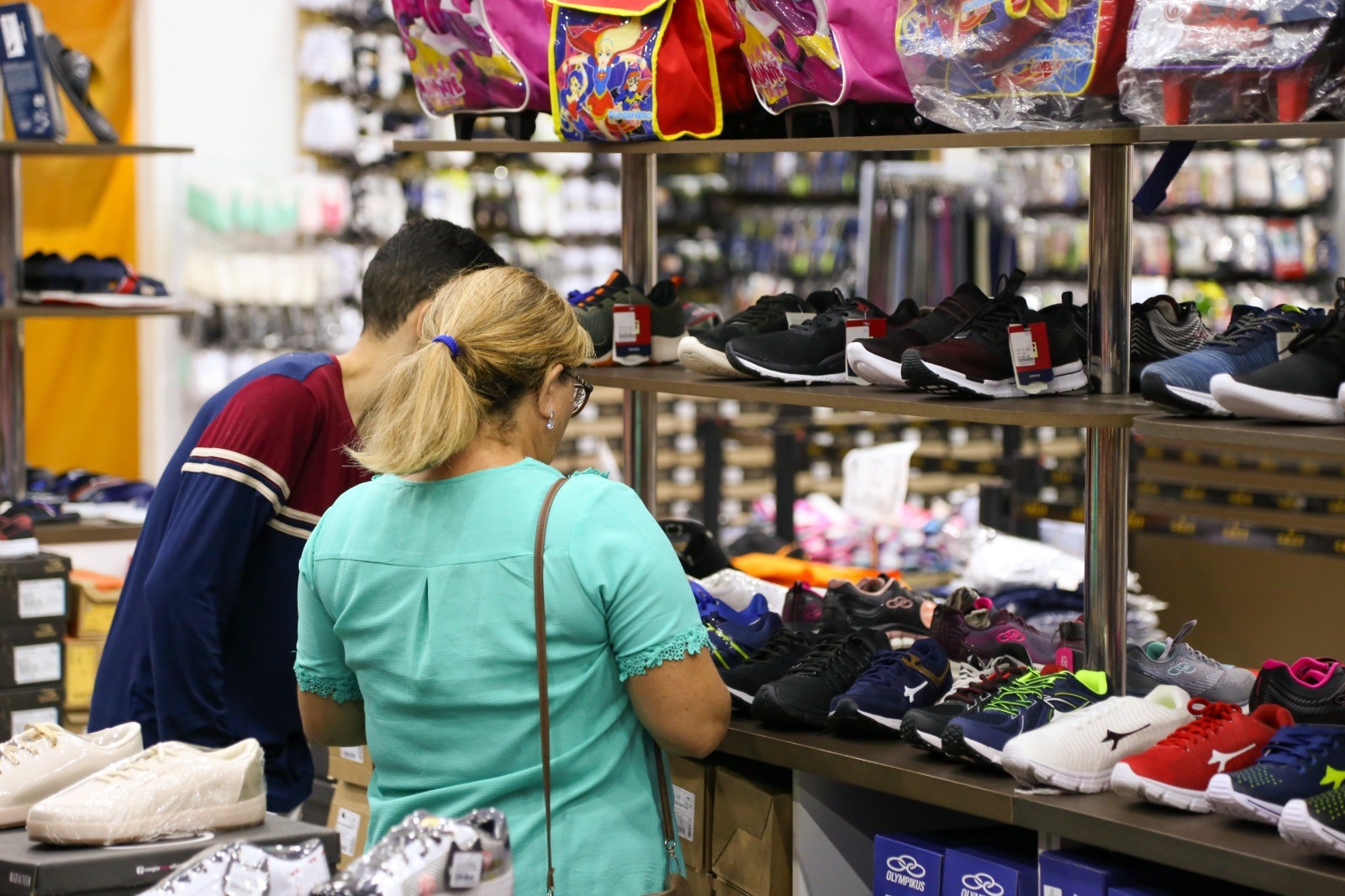
Father's Day is projected to inject R$28 million into the economy of Amapá, according to research by the Fecomércio Institute. The survey, conducted in Macapá between July 14 and 26, 2026, with 400 participants aged 18 and above from all socioeconomic backgrounds, indicates that clothing will be the most popular gift category, accounting for 48% of purchase intentions. The average spending on gifts is estimated at R$150. Other sought-after items include perfumery and cosmetics (33%), footwear (20%), belts and wallets (7%), and electronics (6%). Regarding spending habits, 24% of consumers plan to spend up to R$100, 40% between R$101 and R$200, 20% between R$201 and R$300, and 16% over R$300. Beyond fathers, other paternal figures in the family are also expected to be honored, with 62% of consumers intending to buy gifts. In addition to gifts, 72% of respondents plan to celebrate the occasion, further stimulating various economic sectors. The food sector is also anticipated to see increased activity, with 68% expecting to spend up to R$230 on celebrations, with 57% celebrating at home, 35% at relatives' or friends' homes, and 10% dining out. The commercial center of Macapá is expected to capture 70% of purchase intentions. Payment preferences indicate that 74% of consumers favor cash, Pix, or debit payments, while 26% will use credit cards for installment payments. Father's Day will be celebrated on August 9th nationwide.
This forecast of R$28 million in Father's Day spending in Amapá, with an average gift cost of R$150, highlights consumer confidence and retail sector preparedness. The data, gathered before the actual event, allows businesses to strategically manage inventory and marketing efforts, particularly in clothing and cosmetics. The distribution of spending across different price points suggests a diverse consumer base with varying purchasing power. The projected engagement in celebrations, beyond gift-giving, indicates a broader economic impact on the food and hospitality sectors. Understanding these spending patterns and payment preferences, such as the strong inclination towards immediate payment methods, can inform financial planning and operational efficiency for regional businesses. This analysis of consumer behavior provides valuable insights for future economic planning and policy formulation, especially in anticipating seasonal economic upticks.
AI-generated to prompt reflection — not editorial opinion, not advice, not a statement of fact. How this works.