Amapá's Over-70 Electorate Smallest in Northern Brazil, Constituting 5.8% of Voters
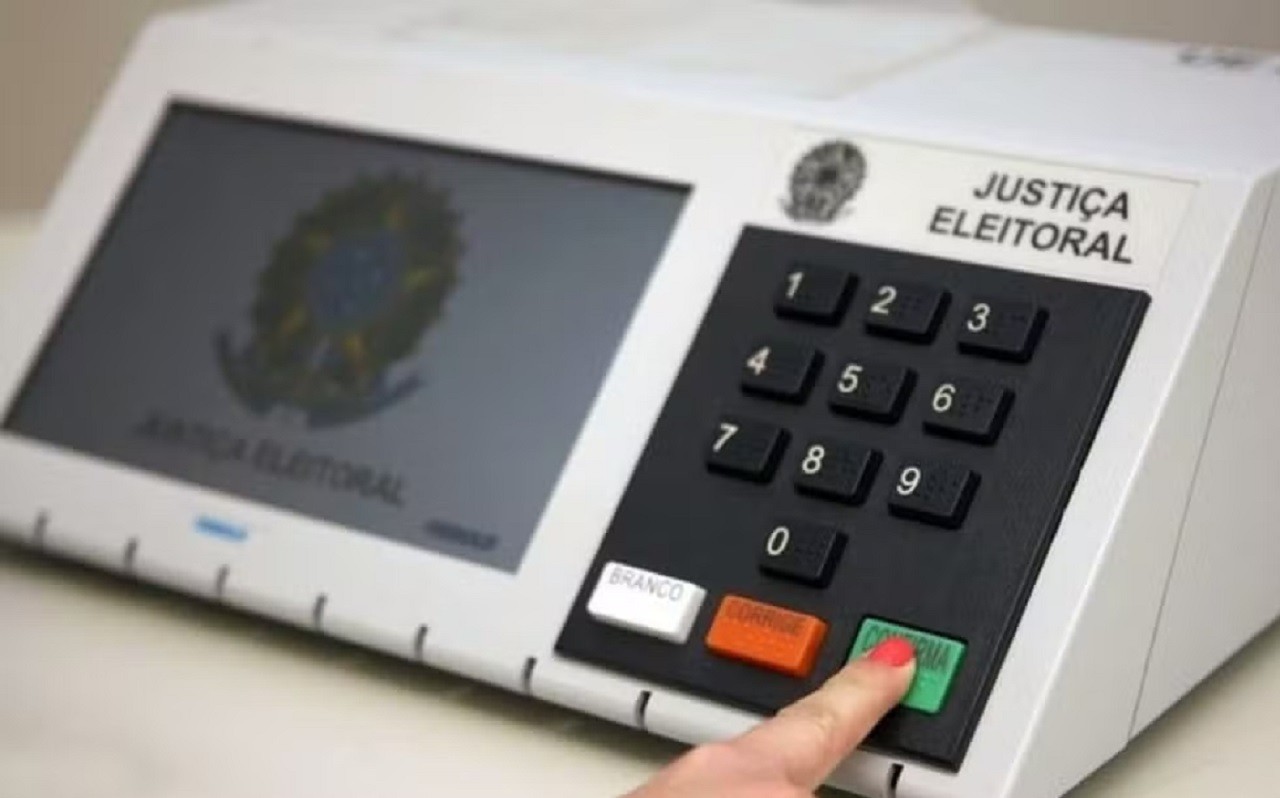
In Amapá, voters aged 70 and above constitute 5.8% of the total electorate, a figure that has seen a 4.4% increase from 2024 to 2026, rising from 30,700 to 32,100 individuals. Despite this growth, Amapá's proportion of elderly voters remains below the national average of 9% and is among the lowest in the Northern region, surpassing only Roraima. This demographic pattern is attributed to Amapá's generally younger population compared to other Brazilian regions. For citizens over 70, voting is optional. The majority of Amapá's electorate falls within the 25 to 44 age bracket, with the 35 to 39 age group being the most substantial, numbering over 60,000. The state is projected to have 577,534 eligible voters for the 2026 elections, a 1.1% increase from 2024. Women form a slight majority of the electorate at 51%, totaling 296,729, while men account for 49%, or 280,805. Macapá holds the largest number of voters with 321,591, followed by Santana with 86,030. The Electoral Court of Amapá (TRE-AP) actively promotes campaigns and maintains a committee to ensure accessibility and priority service for elderly voters, recognizing their symbolic and political significance. Among other demographic data, 7,890 voters declared specific needs, and the largest educational attainment group has completed high school.
The data highlights Amapá's distinctive demographic profile, characterized by a younger population relative to the national average, which directly influences its electoral composition. While the increase in elderly voters is noted, the state's low percentage reflects broader regional and national demographic trends. The optional nature of voting for those over 70, combined with the younger demographic, suggests that electoral strategies may need to consider differing engagement levels across age groups. The efforts by the TRE-AP to ensure accessibility for elderly voters are a positive step towards inclusive participation, addressing potential barriers to civic engagement for this demographic. Future electoral dynamics in Amapá may be shaped by how effectively these initiatives counter the demographic trend towards a younger electorate and whether the symbolic political weight of older voters can be translated into tangible influence.
AI-generated to prompt reflection — not editorial opinion, not advice, not a statement of fact. How this works.