Amapá Short Film 'Solo Agridoce' Selected for Major São Paulo Film Festival
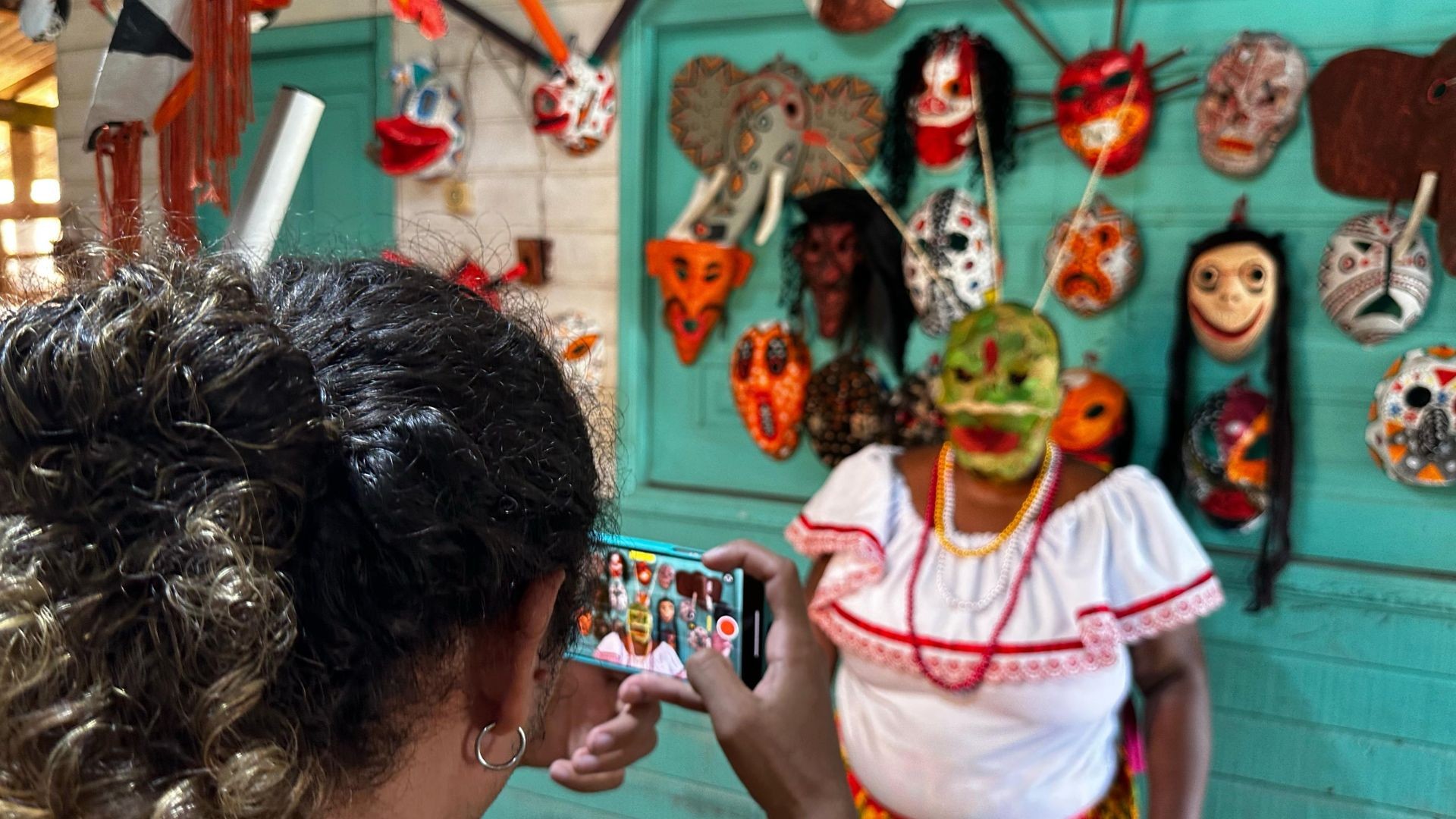
The Amapá short film 'Solo Agridoce,' directed by Jéssica Thaís, has been officially selected for the 12th edition of the Santos Film Fest, a prominent cinema event on the São Paulo coast. Produced by Paneiro Produções, the film will be showcased in August at the festival, which is considered the largest of its kind in the region. This participation serves as a significant platform for audiovisual productions from Brazil's North Region, aiming to increase their visibility within the national film circuit and promote Amapá's culture to broader audiences. The experimental short film, released in November 2023, was created by a predominantly female crew and funded through the Paulo Gustavo Law, administered by the State Secretariat of Culture of Amapá (Secult-AP). Narrated by quilombola and urban women, 'Solo Agridoce' explores traditional territories such as Curiaú, Maruanum, Mazagão, and Macapá. It aims to depict ancestral knowledge, resilience, and the oral traditions of Black women in the state. The film's director of photography, Halyson Chaves, expressed immense honor in documenting the experiences, landscapes, culture, and architecture of Amapá's quilombos, and sharing these elements through cinema at the festival. The Santos Film Fest will take place from August 18th to 26th in various cultural venues across the Baixada Santista, São Paulo, featuring both national and international films and awarding prizes for categories like Best Film, Best Director, and Best Screenplay.
The selection of 'Solo Agridoce' for the Santos Film Fest highlights the growing recognition of regional Brazilian cinema and its unique cultural narratives on a national stage. This event underscores the potential for culturally specific productions, like those focusing on quilombola heritage and female oral traditions in Amapá, to gain traction beyond their immediate geographic origins. The funding mechanism, utilizing the Paulo Gustavo Law, demonstrates a governmental strategy to bolster the arts sector, particularly in underrepresented regions. Future success for such films will likely depend on continued investment in distribution and exhibition infrastructure, as well as the ability of filmmakers to navigate the competitive landscape of film festivals and streaming platforms. This case offers a model for how cultural preservation and artistic expression can be supported through public policy and amplified by cinematic outreach.
AI-generated to prompt reflection — not editorial opinion, not advice, not a statement of fact. How this works.