Amapá State Schools Welcome Over 93,000 Students for Second Semester
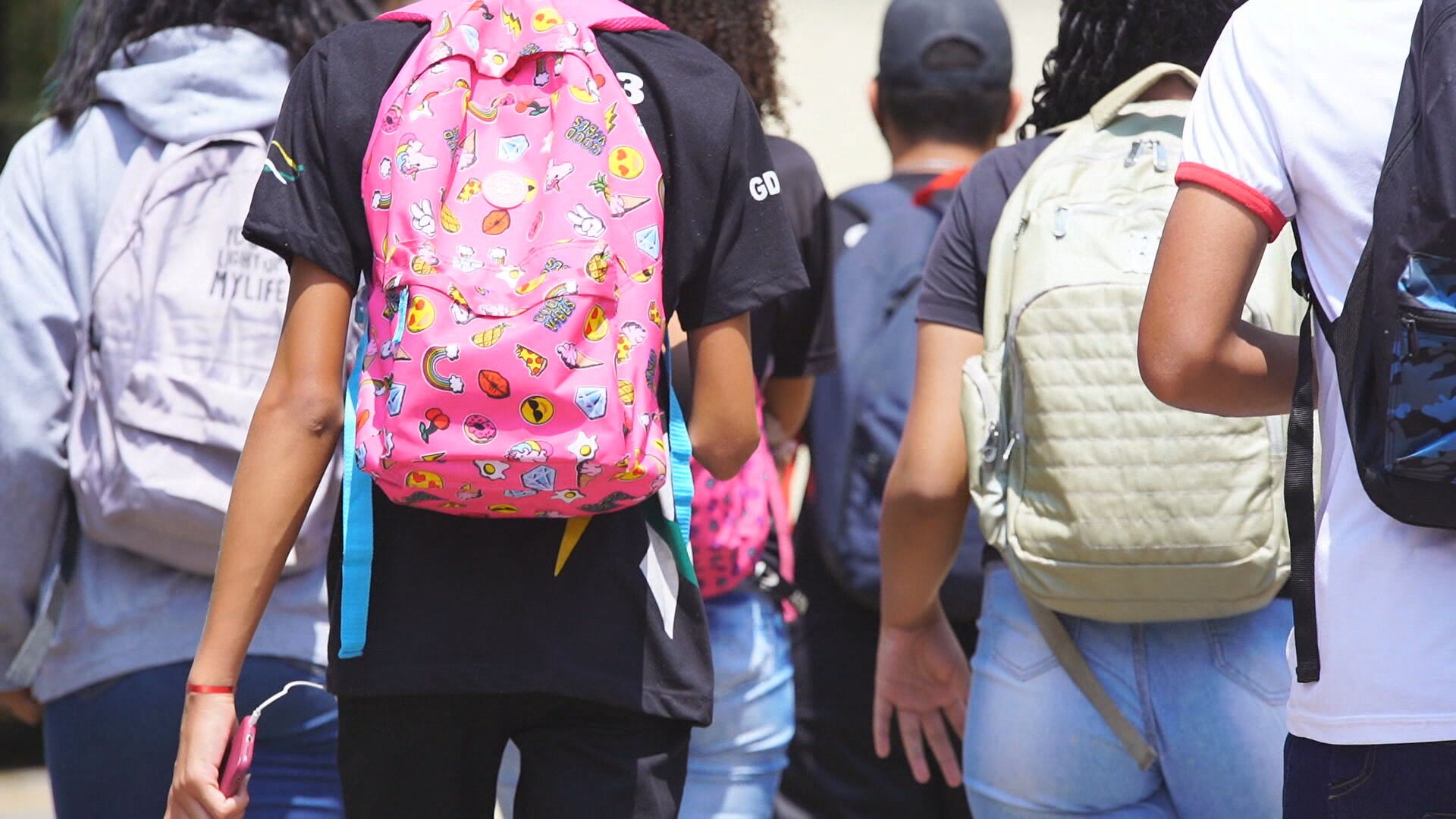
The second academic semester of 2026 commenced on Monday, August 3rd, with 93,762 students returning to Amapá's state schools. The State Secretariat of Education implemented welcoming initiatives for students, teachers, and staff to ease the transition back to the school routine. Some educational facilities are phasing in their return to activities gradually, as they are still undergoing renovations and adjustments to ensure safe and suitable learning environments. These schools have benefited from infrastructure improvements, including the maintenance of air conditioning units, roof repairs, electrical and plumbing system updates, painting, and the installation of new furniture and equipment. Other schools are scheduled to reopen in early August, with specific dates ranging from August 4th to August 6th for various institutions. The Modular Education System, which serves 72 schools and adapts its schedule to teacher logistics across different communities, will begin classes on August 5th. Additionally, some schools are temporarily hosting the School Games, with the Tiradentes State School set to resume classes on August 10th after accommodating delegations, while the Paulo Melo State School will reopen on August 6th following the competition's conclusion.
The staggered reopening of schools in Amapá, coupled with ongoing infrastructure work and preparations for the School Games, highlights the logistical complexities of managing public education systems, especially in regions with diverse geographical and community needs. The emphasis on infrastructure upgrades and welcoming programs suggests a focus on improving the learning environment and student well-being. This approach, while necessary, also points to potential systemic underinvestment in maintenance and readiness, requiring continuous resource allocation. The modular system's adaptation to teacher travel underscores the challenges of equitable access to education in dispersed populations. Looking ahead, integrating flexible learning models and robust infrastructure planning will be crucial for ensuring consistent educational delivery and resilience against disruptions.
AI-generated to prompt reflection — not editorial opinion, not advice, not a statement of fact. How this works.