Amapá Students to Experience Innovation and Regional Development at ExpoFeira 2026
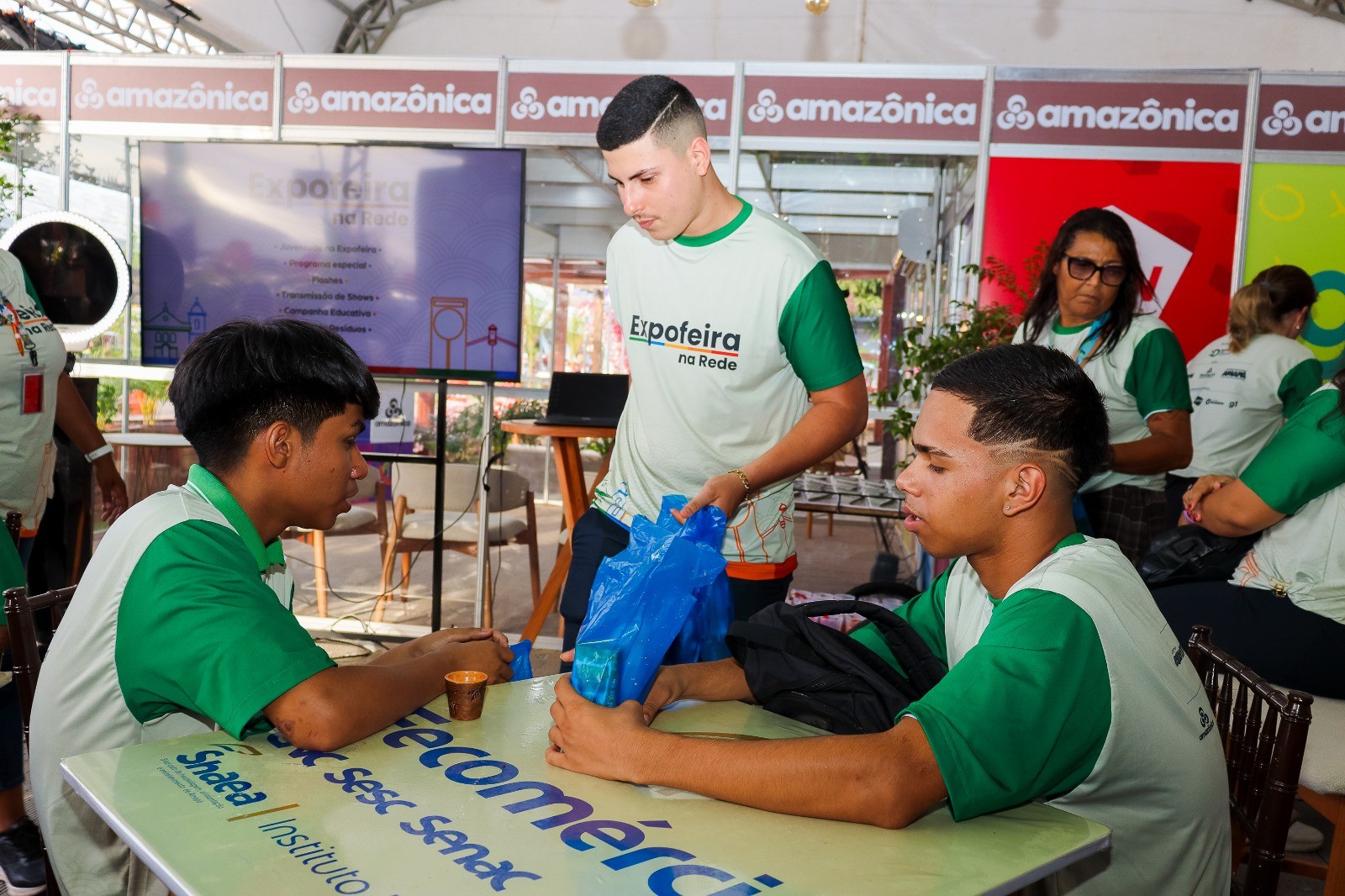
The Fundação Rede Amazônica (Fram) is launching the 'ExpoFeira na Rede' project, an initiative designed to engage public school students with themes of innovation, culture, sustainability, and regional development. This project will be a key part of the Expofeira Amapá 2026 event, aiming to connect the local population with strategic topics crucial for the region's growth through interactive and practical experiences. The initial activity, 'Juventude na ExpoFeira' (Youth at ExpoFeira), is scheduled for August 12-13, from 2 PM to 5 PM, at the Fazendinha Exhibition Park in Macapá. Students from Escola Estadual Ruth de Almeida Bezerra will participate in a guided, gamified tour of the fair's exhibits. During this tour, they will receive a 'Passaporte ExpoFeira na Rede' to be stamped upon completing various stages. This dynamic approach is intended to foster curiosity and learning, allowing young people to discover initiatives and opportunities that contribute to Amapá's development. Participants who complete all activities will receive a prize. Matheus Aquino, Projects Coordinator at Fram, stated that the initiative aims to encourage youth leadership and enhance students' understanding of the region's potential, urging them to see ExpoFeira as a space for learning and discovery. The broader 'ExpoFeira na Rede' project focuses on connecting communication, knowledge, and experiences to highlight the economic, cultural, and social potential of the Amazon.
This initiative leverages a public exhibition to bridge educational engagement with regional development goals, framing youth participation as a key driver for future economic and cultural growth in Amapá. By integrating gamified elements and tangible rewards, the program seeks to foster a sense of ownership and interest in local innovation and entrepreneurship among students. The project's success will hinge on its ability to translate these interactive experiences into sustained engagement with regional development pathways beyond the event itself. Future iterations could explore how to scale these localized educational models to address broader systemic challenges in the Amazon region, ensuring that youth are not only exposed to opportunities but are also equipped with the skills and resources to capitalize on them in an evolving technological landscape.
AI-generated to prompt reflection — not editorial opinion, not advice, not a statement of fact. How this works.
