Amapá Summer Intensifies Skin Issues, Dermatologist Warns of Sun Acne
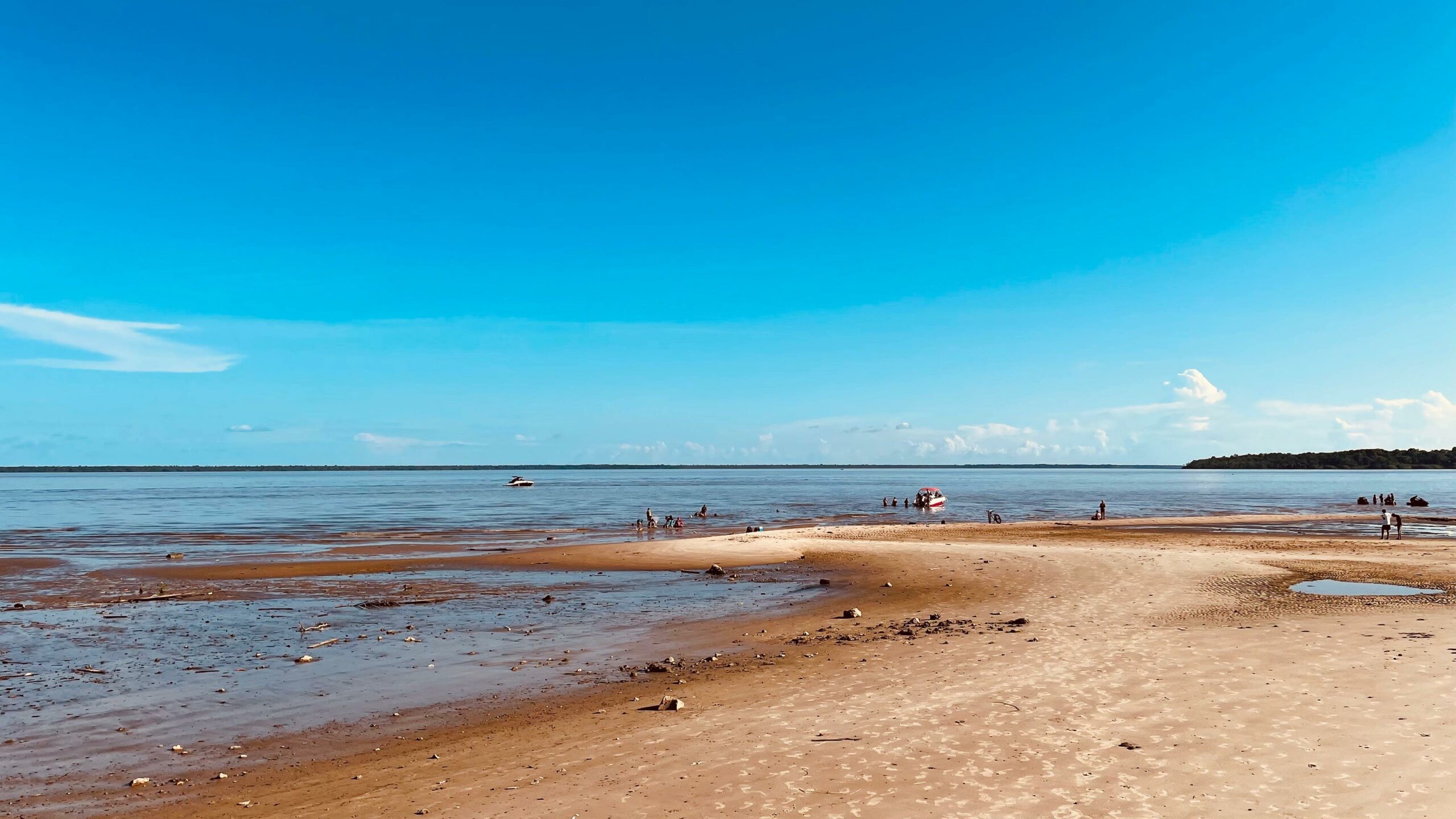
The Amazonian summer in Amapá brings increased risks to skin health, with dermatologists emphasizing daily sunscreen use to prevent sunburn and reduce the likelihood of serious conditions like skin cancer. Dermatologist Simone Sá highlights that the intense sun and high temperatures in Amapá exacerbate skin problems, particularly solar acne. This condition, characterized by varying degrees of severity from minor bumps to larger, painful lesions, is primarily caused by prolonged sun exposure leading to increased sebum production and inflammation. Genetic and hormonal factors also play a role, but Amapá's hot and humid climate is a significant contributing factor, stimulating sebaceous glands to produce more oil and clog pores.
Preventative measures include daily application of oil-free sunscreen, reapplying every two hours or after swimming and sweating, and avoiding direct sun exposure between 10 AM and 4 PM. Protective measures like seeking shade and wearing hats, light clothing, and sunglasses are recommended. Maintaining clean skin with a gentle cleanser twice daily and avoiding oily cosmetics is also crucial. In terms of public health, the Centro de Referência em Doenças Tropicais (CRDT) in Macapá now offers minor surgeries to remove early-stage skin cancer lesions, aiming to expedite diagnosis and specialized treatment. Patients seeking these services must first consult a general practitioner at a Basic Health Unit (UBS) for a referral, then schedule an appointment through the Super Fácil network.
The heightened risk of solar acne and skin cancer during Amapá's summer underscores a critical public health challenge at the intersection of environmental conditions and preventative healthcare access. While the advice on sunscreen and sun avoidance is standard, the analysis must consider systemic factors. The humid, hot climate exacerbates a common dermatological issue, suggesting a need for targeted public health campaigns that go beyond general advice to address specific regional vulnerabilities. Furthermore, the integration of early-stage skin cancer removal within the public health system, facilitated by the CRDT and UBS network, represents a positive step in addressing health disparities. Future considerations should include evaluating the accessibility and capacity of these services to meet demand, especially as climate change may intensify seasonal health risks across various regions.
AI-generated to prompt reflection — not editorial opinion, not advice, not a statement of fact. How this works.