Amapá University Develops Sustainable Fish and Shrimp Waste Products
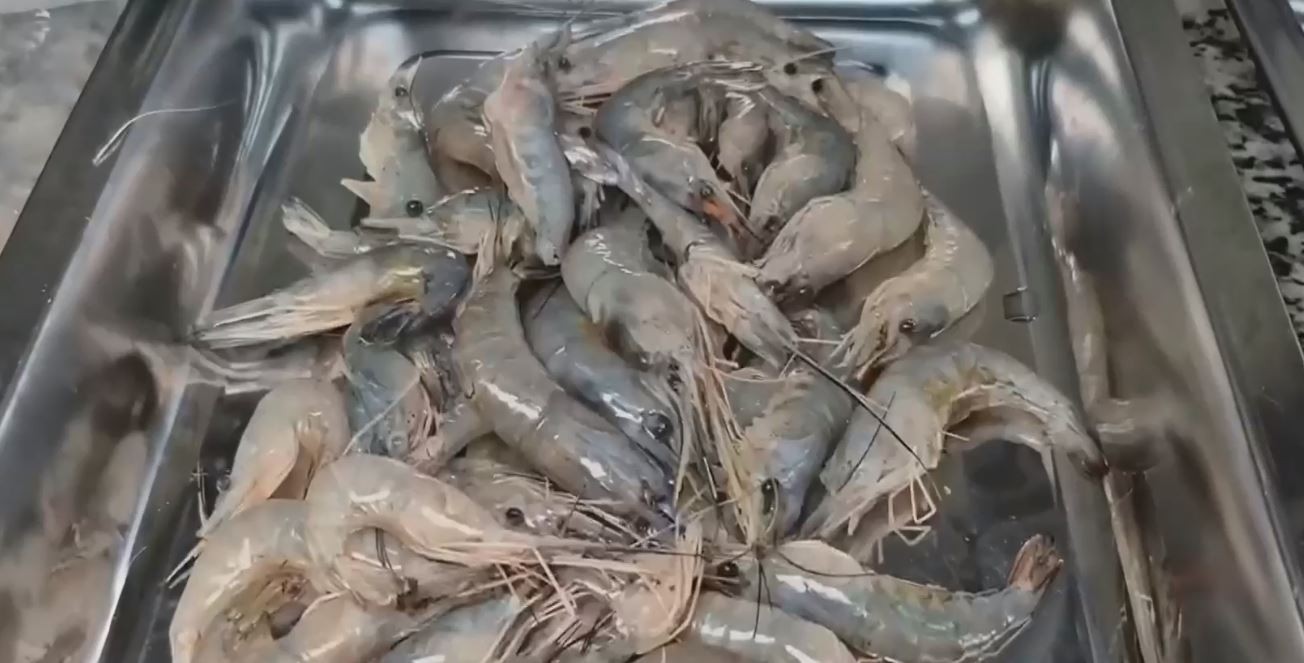
Researchers at the State University of Amapá (Ueap) in Brazil are transforming discarded fish and crustacean waste into valuable food products. The project, based in the Ueap's Fisheries Biology and Processing Laboratory, aims to create sustainable alternatives for the region by utilizing byproducts that would otherwise be thrown away. This initiative not only addresses the significant waste generated by the fishing industry but also seeks to generate income for riverside communities. According to project coordinator Daniele Hoshino, the research was initiated to tackle the large volume of daily waste from fishing activities. Hoshino explained that if properly treated, these residues can be used for both human and animal consumption. The project highlights the contributions of women in academic research and the development of social technologies tailored for Amazonian populations. A key focus is the reuse of shrimp waste, abundant in riverside areas like the Bailique archipelago. The methodologies are designed to be low-cost and easily implementable by these communities. Practical outcomes include the creation of culinary items, such as shrimp flour for flavoring and a snack product, made entirely from the waste. Student Eloísa Freire detailed the production of a flavoring flour, involving drying the waste at 60 degrees Celsius for 48 hours, followed by grinding and the addition of dried spices like paprika, herbs, and onion. This project integrates classroom learning with market application, fulfilling the university's mission across teaching, research, and extension.
This initiative demonstrates a practical application of circular economy principles within the fisheries sector, transforming waste into marketable goods. By developing low-cost, accessible technologies, the project addresses both environmental sustainability and economic development for local communities. The focus on integrating academic research with community needs exemplifies effective social technology transfer, potentially creating new revenue streams and reducing ecological impact. As AI continues to optimize resource management and supply chains, similar projects could be scaled and enhanced through predictive analytics for waste generation and market demand, further solidifying the link between environmental stewardship and economic prosperity.
AI-generated to prompt reflection — not editorial opinion, not advice, not a statement of fact. How this works.