Amarnath Shrine's Ice Lingam Melts in Record 5 Days, Devotees Concerned
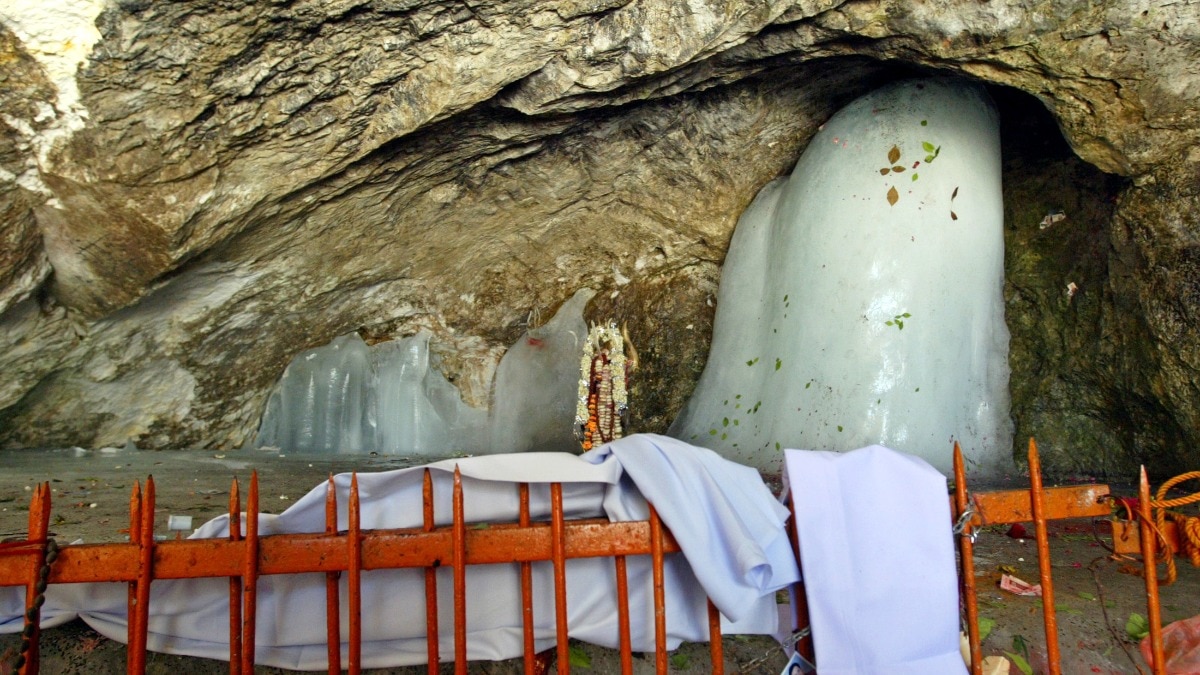
The sacred ice lingam, known as Baba Barfani, at the Amarnath shrine in Jammu and Kashmir was visible for only five days during the 2026 pilgrimage. This unusually short duration has raised concerns among devotees, who have observed a declining number of darshan days and the premature melting of the lingam in recent years. The phenomenon has prompted questions about its underlying causes, with potential factors including climate change, the increasing number of pilgrims, or other unknown reasons being considered. The annual Amarnath Yatra is a significant religious event for Hindus, drawing hundreds of thousands of devotees to the cave shrine located at an altitude of 3,888 meters. The melting of the ice lingam is a departure from historical observations, where it typically persisted for a longer period during the pilgrimage season. This year's rapid melting has intensified discussions among religious leaders, environmentalists, and pilgrims about the environmental conditions in the region and their impact on this natural phenomenon. The authorities are likely to face increased pressure to investigate and address the factors contributing to this accelerated melting.
The rapid melting of the Amarnath ice lingam in just five days during the 2026 pilgrimage warrants a rational examination of contributing factors beyond immediate devotional concerns. While climate change is a frequently cited cause for environmental shifts, other systemic pressures, such as increased pilgrimage volume and associated infrastructure development, may also play a significant role in altering local microclimates and impacting the delicate ice formation. Understanding the interplay between these elements—global environmental trends, regional ecological sensitivity, and human activity—is crucial. Future management of the pilgrimage may need to balance spiritual access with ecological preservation, potentially through adaptive scheduling, visitor management strategies, or targeted environmental monitoring to ensure the long-term viability of this natural and religious phenomenon.
AI-generated to prompt reflection — not editorial opinion, not advice, not a statement of fact. How this works.