Amateur Photographer's Moon Shot Selected by NASA for Astronomy Picture of the Day
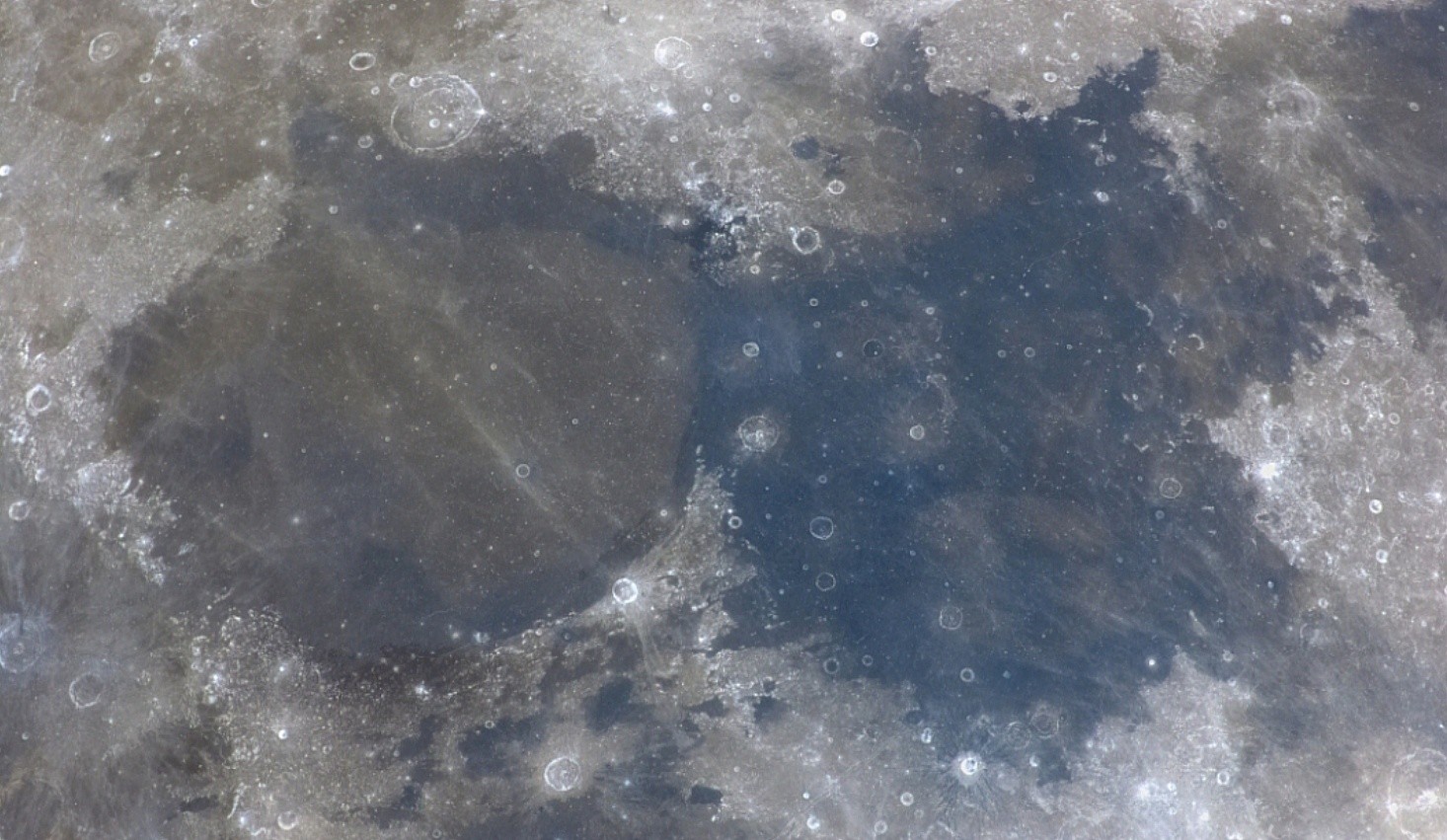
Nyêrdson Ferreira, a 30-year-old amateur astrophotographer from Cajazeiras in Paraíba, Brazil, has had his photograph of the Moon chosen by NASA as its "Astronomy Picture of the Day." The image was selected on July 25th for a project that showcases space imagery from around the world, a NASA initiative in partnership with Michigan Technological University. Ferreira, who works as a purchasing supervisor and holds a degree in Biological Sciences from the Federal University of Campina Grande (UFCG), learned of the selection during his workday. He described the news as a sudden and pleasant surprise, especially given the high volume of submissions the project receives. Ferreira noted that this recognition is a rare honor for Brazilians, estimating that only 20 to 30 individuals from the country have had their work featured. The NASA project includes images from amateur astrophotographers as well as professional observatories and NASA itself, with mentions of the James Webb Space Telescope.
Ferreira's chosen photograph was taken in Cajazeiras, a location he believes is advantageous for celestial observation due to its distance from the coastal area's artificial lighting and its favorable climate conditions, including lower cloud cover and atmospheric stability. His passion for astronomy began in childhood, predating his university studies, and evolved into astrophotography in 2022 after he acquired his first telescope. While his NASA-featured image is of the Moon, he also photographs more distant celestial objects like galaxies and nebulae. He advises aspiring astrophotographers to start with available equipment, such as smartphones, and gradually upgrade, emphasizing that all learning is valuable.
This event highlights the democratization of scientific outreach and recognition, where amateur enthusiasts can contribute to and be celebrated by major space agencies. It underscores the increasing accessibility of astrophotography technology, enabling individuals with passion and dedication to capture scientifically valuable and aesthetically compelling images. The selection process, managed by NASA and Michigan Technological University, serves as a mechanism for curating public contributions, potentially fostering greater public engagement with space science and exploration. Furthermore, the geographical advantage of Cajazeiras points to the importance of minimizing light pollution for astronomical observation, a growing concern in urbanized regions globally. This success story may inspire others to pursue similar interests, contributing to a broader understanding and appreciation of the cosmos.
AI-generated to prompt reflection — not editorial opinion, not advice, not a statement of fact. How this works.