Amazon Agroforestry Coffee Harvest Expected to Generate Over R$220,000
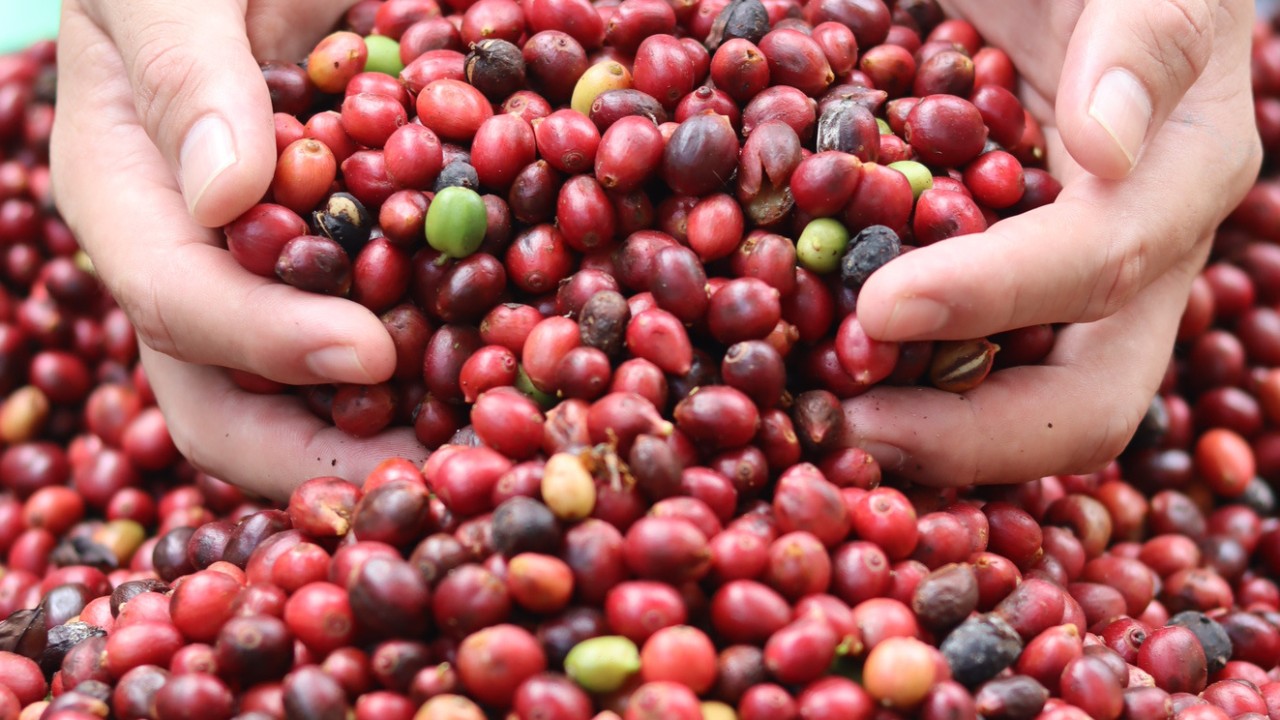
Family farmers in Silves, Amazonas, have begun their second harvest of robusta coffee grown using agroforestry systems. This season, they anticipate collecting 14 tons of beans, projected to inject more than R$220,000 into the local economy. The coffee cultivation takes place on degraded land, eliminating the need for deforestation and actively contributing to soil recovery while preserving native trees. This sustainable model also provides income for local families. In the initial harvest in 2025, producers gathered approximately 9.6 tons from eight hectares. Building on this success, the project has expanded to 11 hectares and now supports ten families. The initiative is a collaboration between Eneva, the Associação Solidariedade Amazonas (ASA), and technical support from Embrapa. Farmers receive guidance on sustainable management, fertilization, and marketing to improve market access. Eneva's Social Responsibility Manager, Elizabeth Teles, emphasized the project's aim to foster economic opportunities aligned with the Amazon's reality, ensuring lasting income for farmers. The project also supports rural retention and encourages youth engagement in family farming through the bioeconomy.
This agroforestry coffee project in Amazonas demonstrates a promising model for sustainable land use and economic development in the region. By repurposing degraded areas, it addresses environmental concerns associated with traditional agriculture while creating a viable income stream for local communities. The initiative's success hinges on integrated support, encompassing technical expertise, market access, and community engagement, as highlighted by Eneva's involvement. Looking ahead, scaling such models requires navigating market volatility and ensuring equitable benefit distribution. The long-term viability will depend on continued investment in farmer training and robust supply chains that can withstand environmental and economic fluctuations, fostering resilience in the face of climate change and evolving global demand.
AI-generated to prompt reflection — not editorial opinion, not advice, not a statement of fact. How this works.