Amazon Conflicts Affected Over 116,000 in 2025, Report Finds
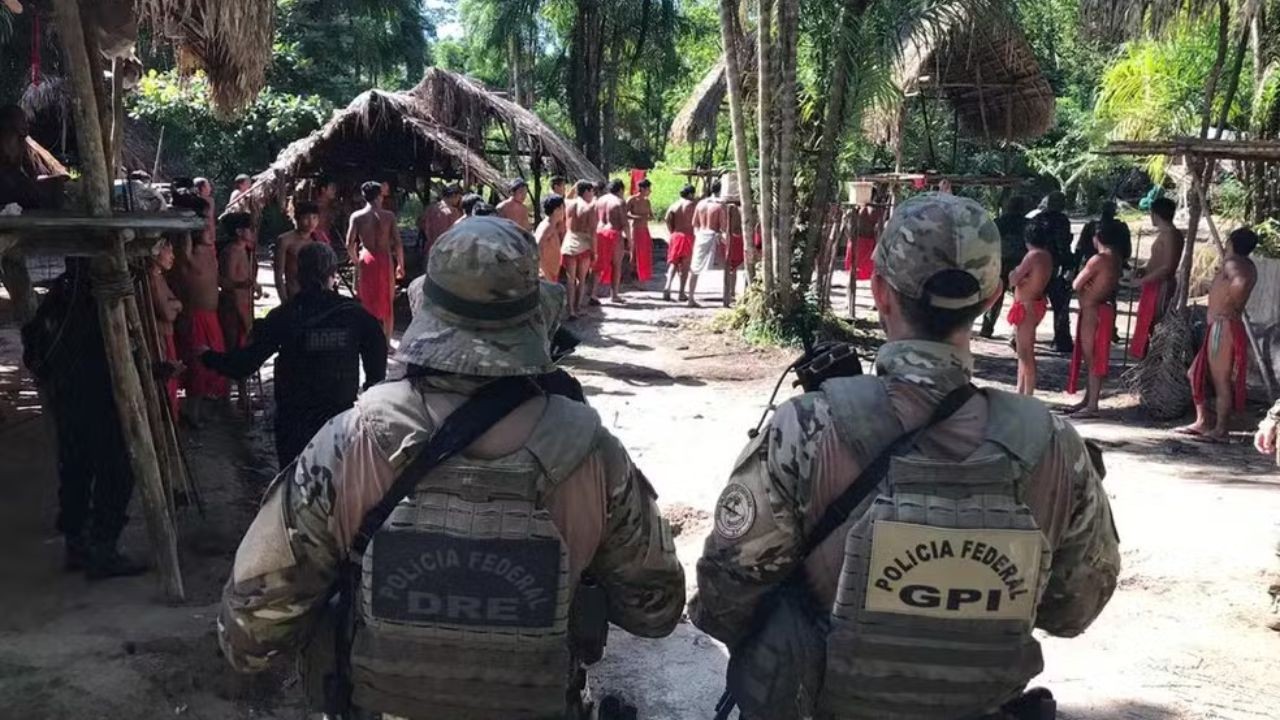
A report by the Pastoral Land Commission (CPT) revealed that land and water conflicts in the Brazilian state of Amazonas impacted 116,415 people from 23,963 families in 2025. The state recorded 98 rural conflicts, a 25.7% decrease from 2024's 132 cases, yet the social impact remained significant. Indigenous peoples were the most affected group, involved in 42 conflicts, followed by settlers with 31 cases. Farmers were identified as the primary instigators of tension, cited in 42 instances, with businessmen, federal and state governments, loggers, mining companies, and gold miners also implicated. The majority of the 98 recorded conflicts, 89 in total, stemmed from land disputes, affecting 23,963 families. Violence included threats of expulsion, land invasions, deforestation, and official inaction or complicity, with two settlers killed in Boca do Acre and Lábrea. Direct violence against individuals resulted in 36 victims, encompassing assaults and attempted murders, primarily concentrated in the southern Amazonas and Alto Solimões regions. While water-related conflicts decreased from 10 to seven cases, the number of affected families surged by 165.9%, from 1,918 to 5,100, linked to river pollution, mining contamination, and restricted water access. The report also documented two cases of rural slave labor in 2025, leading to the rescue of 25 workers from illegal gold mining operations in Borba and Maués.
This report highlights persistent systemic issues surrounding resource allocation and governance in the Amazon region. While a statistical decrease in conflict occurrences is noted, the CPT suggests this may reflect a retreat by vulnerable communities facing overwhelming violence rather than an improvement in conditions. The disproportionate impact on Indigenous peoples and settlers, coupled with the involvement of various economic actors and government entities, points to complex land tenure challenges and enforcement gaps. The rise in affected families despite fewer water conflict cases suggests a deepening severity of water access and pollution issues. These dynamics, particularly concerning illegal mining and its environmental and social consequences, warrant scrutiny through the lens of sustainable development and human rights frameworks, considering the long-term ecological and social stability of the Amazon basin.
AI-generated to prompt reflection — not editorial opinion, not advice, not a statement of fact. How this works.