Amazon Court Orders Lawyer to Remove Child's Photo and Phrase from Social Media
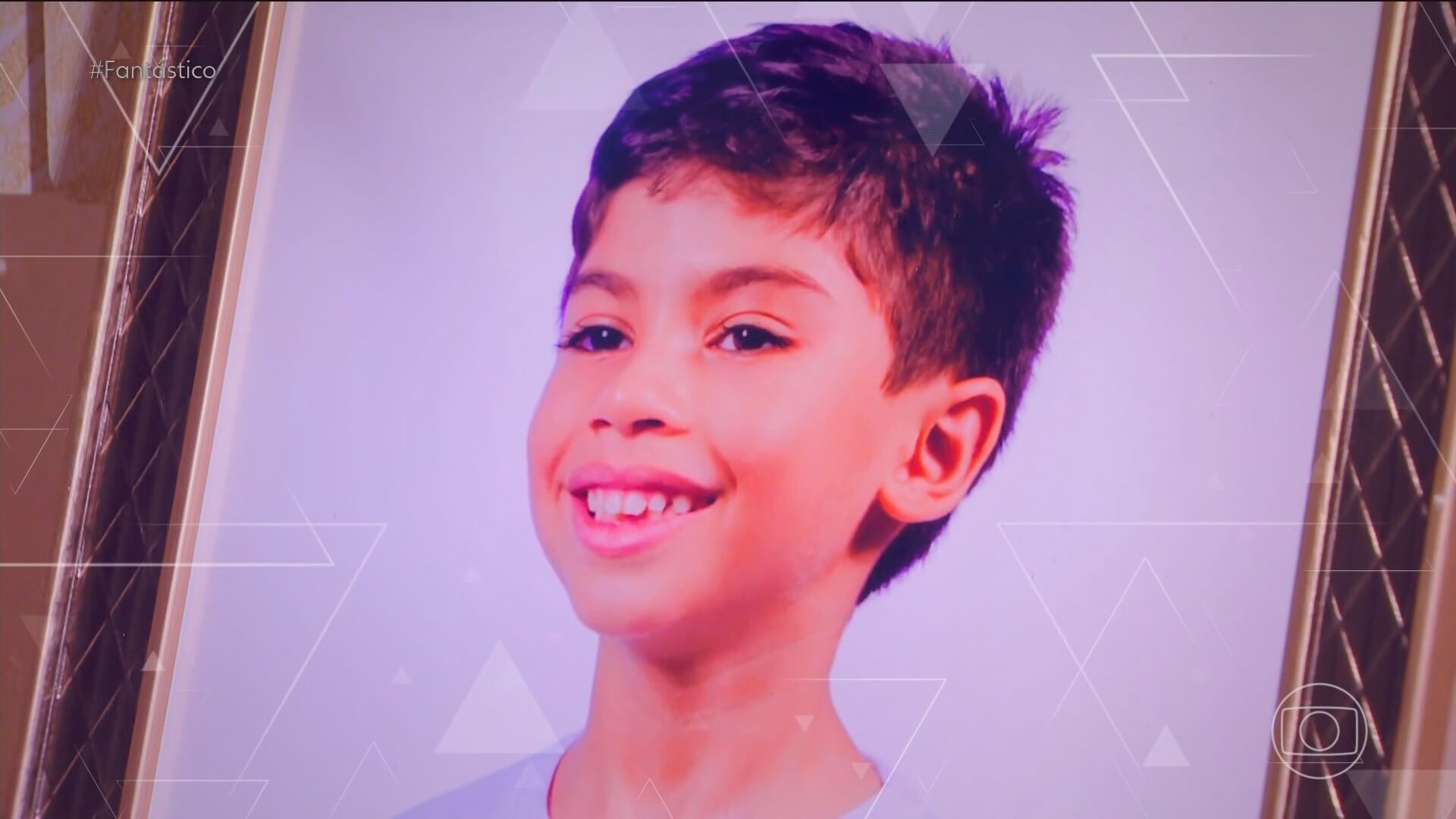
A court in Amazonas, Brazil, has ordered Sérgio Ricardo de Figueiredo Menezes, the lawyer representing Dr. Juliana Brasil, to remove a photo of six-year-old Benício Xavier and the phrase "I did not kill Benício" from his social media posts within 48 hours. Failure to comply will result in a daily fine of R$2,000, capped at ten days. Benício died on November 23, 2025, following what investigators concluded was a medical error involving an adrenaline overdose. The prescribed route and dosage were reportedly inappropriate for the child's condition, leading to cardiac arrest. The parents, Bruno Mello and Joyxe Xavier, initiated legal action, asserting their son's image was used without authorization. They sought the removal of all related content and a prohibition on future publications. The judge ruled that the family has a legal right to prevent the unauthorized use of a deceased person's image, deeming the photo unnecessary for the lawyer's defense narrative. While the term "Benício Case" was permitted due to its widespread public recognition, the specific phrase "I did not kill Benício" was ordered removed, as it was deemed potentially offensive to the grieving parents and bordering on sensationalism. The court specified that only the child's image and that particular phrase must be deleted; if alteration is impossible, the entire post must be removed. Platforms may be notified to remove future identical posts without a new court order.
This legal decision highlights the tension between public discourse surrounding a widely reported case and the privacy rights of a deceased child's family. The court's ruling acknowledges the public's right to discuss the "Benício Case" due to its notoriety, while simultaneously protecting the family from potentially inflammatory or sensationalized personal statements by legal representatives. This outcome underscores the evolving legal landscape regarding digital content and personal image rights, particularly in the context of tragic events that capture public attention. It prompts consideration of how legal professionals balance their duty to represent clients with ethical communication standards, especially when dealing with sensitive personal details and the emotional impact on victims' families in the digital age.
AI-generated to prompt reflection — not editorial opinion, not advice, not a statement of fact. How this works.