Amazon deforestation alerts hit decade low in first half of 2026
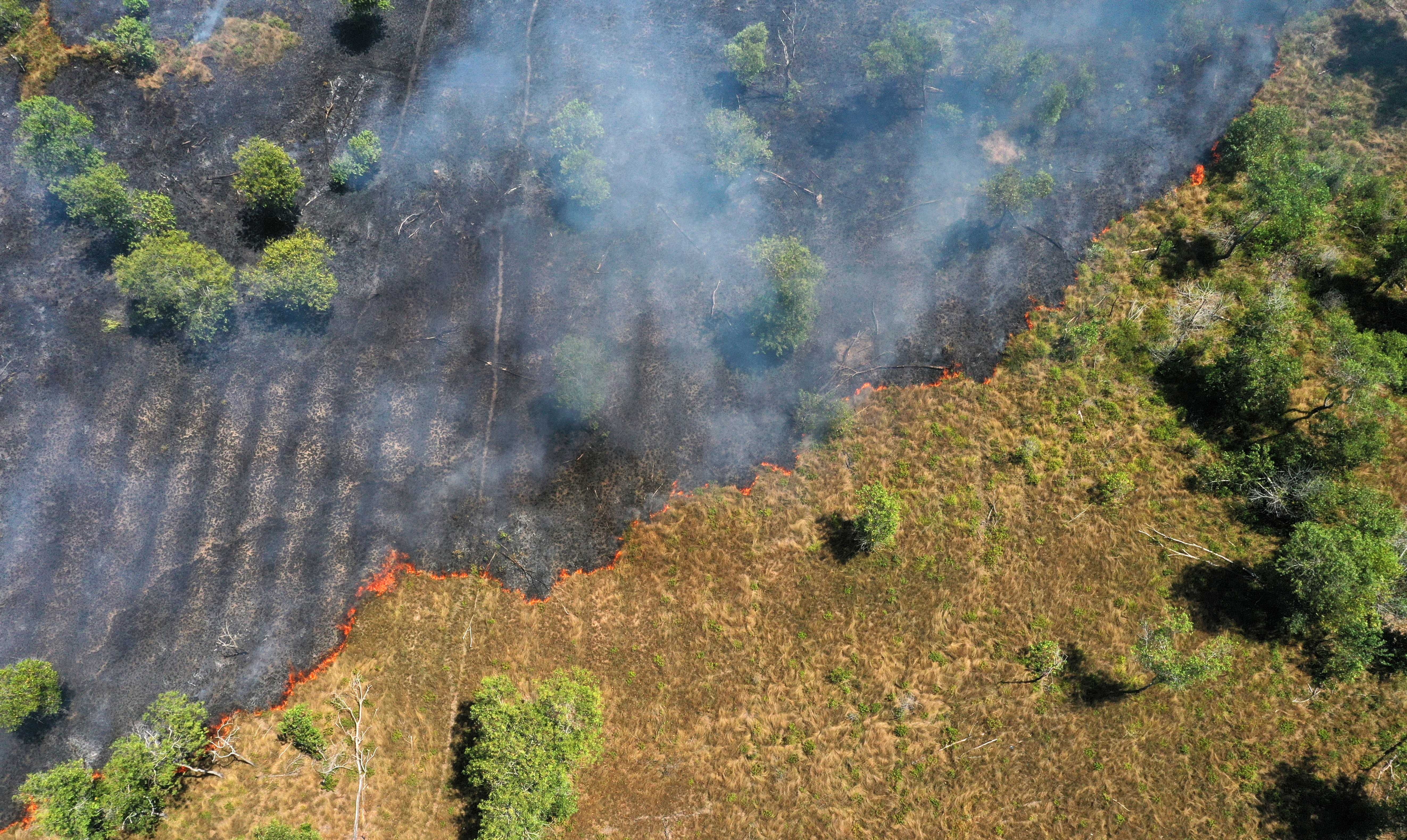
The Amazon rainforest recorded its lowest level of satellite-detected deforestation alerts in a decade during the first half of 2026. The National Institute for Space Research (Inpe), through its Real-Time Deforestation Detection System (Deter), identified 1,295 km² of native vegetation loss alerts between January and June. This figure represents the lowest point for this period since Deter's historical data began in 2016. These Deter alerts serve as rapid warnings, indicating areas where satellite imagery suggests vegetation removal, aiding enforcement actions. However, they are distinct from the official annual deforestation rate calculated by Inpe's Prodes project.
The reduction signifies a slowdown in the rate of new deforestation, not an automatic recovery of previously cleared areas. The previous lowest first-half alert total was 1,332 km² in 2017. In contrast, the first half of 2024 saw 1,645 km² under alert, and 2022 recorded nearly 4,000 km². The Cerrado biome also experienced a decrease in vegetation loss alerts, with 3,142 km² identified in the first half of 2026, the lowest since 2021. Despite this improvement, the Cerrado still accounted for approximately 2.4 times more alerted area than the Amazon during this period. June alone showed a 35% drop in Amazon alerts compared to the previous year, with 297.26 km² detected.
The reported decline in Amazon deforestation alerts to a ten-year low suggests a potential shift in land-use dynamics, possibly influenced by enhanced monitoring and enforcement strategies or changes in economic drivers. While Deter alerts offer timely indicators, the official Prodes data will provide a definitive measure of actual forest loss. The contrast with the Cerrado's less pronounced reduction highlights regional disparities in conservation effectiveness. Future trends will depend on sustained policy commitment, technological advancements in monitoring, and the economic viability of sustainable land practices, particularly as global demand for commodities continues to shape land-use decisions in ecologically sensitive regions.
AI-generated to prompt reflection — not editorial opinion, not advice, not a statement of fact. How this works.