Amazon Deforestation Driven by Lack of Jobs and Income, Study Finds
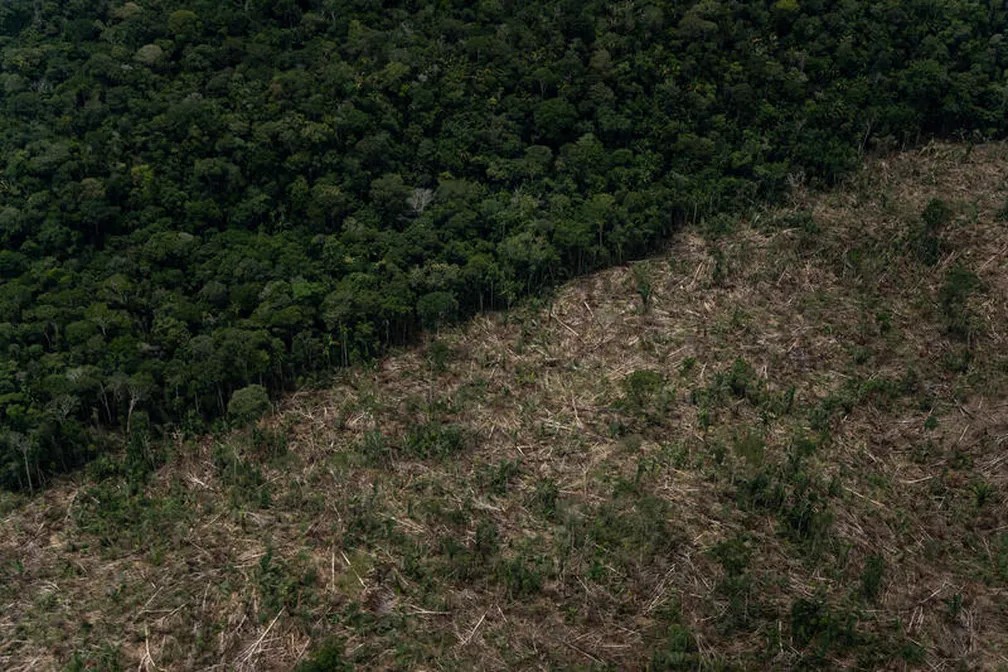
A new report by the Amazônia 2030 project reveals that a scarcity of economic opportunities and low wages, particularly affecting young people, are intensifying political pressure that favors deforestation in the Brazilian Amazon. The study, published in June, highlights that social vulnerability and widespread informal employment in the Legal Amazon lead some residents to perceive environmental preservation as a barrier to their economic survival due to a lack of viable income alternatives. The average monthly income per person in the region is R$654, significantly lower than the national average of R$1,074.
This economic hardship directly influences electoral behavior, with voters tending to support proposals promising immediate jobs and infrastructure projects, even if they carry environmental risks. The report indicates that Amazonas state is a focal point of deforestation, having lost approximately 8 million hectares of forest, with half of this destruction occurring since 2004, signifying ongoing expansion into previously preserved areas. Researchers warn that uncoordinated infrastructure development could push the Amazon past a tipping point, severely impacting rainfall and climate across Brazil.
As a solution, the report proposes "productive re-forestation" (rematamento produtivo), which involves utilizing already deforested lands or degraded pastures for the commercial cultivation of high-value tropical and native species. This model aims to establish large-scale production chains, generating permanent, better-paying jobs and attracting private investment, thereby connecting Amazonas to domestic and international bioeconomy markets.
This study highlights a critical systemic tension in the Amazon: the perceived conflict between immediate economic survival and long-term environmental sustainability. When local populations face significant income disparities and limited formal employment, policies prioritizing immediate economic gains, even at the expense of forest cover, become politically attractive. This dynamic suggests that conservation efforts may be more effective if integrated with robust, scalable economic development strategies that offer competitive livelihoods. The proposed "productive re-forestation" model attempts to bridge this gap by creating economic value from land use that is not solely extractive or destructive. Future policy must consider how to incentivize sustainable economic activities that can compete with or replace the perceived short-term benefits of deforestation, ensuring that environmental protection does not disproportionately burden vulnerable populations.
AI-generated to prompt reflection — not editorial opinion, not advice, not a statement of fact. How this works.