Amazon Environmental Agency Fines Mining Company R$22.5 Million for River Pollution
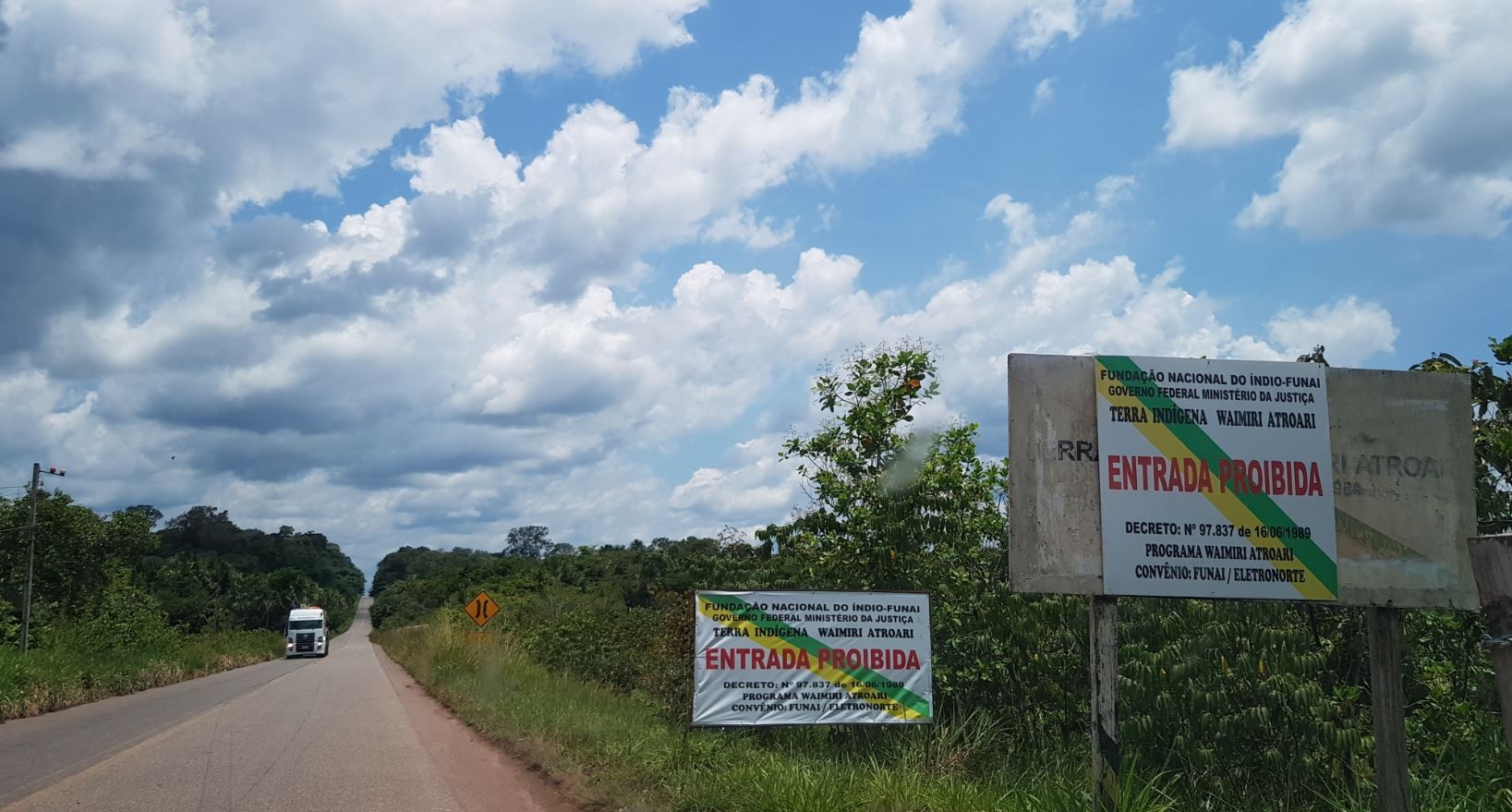
The Amazon Environmental Protection Institute (Ipaam) has fined Mineração Taboca S.A. R$22.5 million for discharging waste into a river near the Waimiri Atroari Indigenous Territory in Amazonas, Brazil. The infraction was discovered during an inspection of the Pitinga Polymetallic Complex, prompted by indigenous reports of environmental damage. Inspectors observed significant turbidity and discoloration in the Tiaraju River, a tributary of the Alalaú River, which were attributed to the mining company's wastewater disposal. This operation was conducted in collaboration with the National Mining Agency (ANM) and the Brazilian Institute of Environment and Renewable Natural Resources (Ibama). Leaders from the Waimiri Atroari people also participated, highlighting vulnerable areas to the inspection teams.
The fine follows warnings from the Federal Public Prosecutor's Office (MPF), which had previously investigated indigenous complaints about changes in water quality, fish deaths, and health issues among residents. These complaints pointed to potential impacts on the Tiaraju, Alalaú, and Jacutinga rivers. Laboratory analyses commissioned by the Waimiri-Atroari Community Association (ACWA) detected elevated levels of metals, including aluminum, lead, and mercury, in river samples, exceeding legal limits. Mineração Taboca has 20 days to appeal the fine or pay it. The company stated it received the notice and will present a defense, asserting that the alleged impacts are confined to its operational area and not within indigenous territory, and that its activities are continuously monitored.
This incident highlights the persistent tension between resource extraction and environmental protection, particularly in ecologically sensitive areas like indigenous territories. The substantial fine signals regulatory bodies' increasing scrutiny of mining operations' environmental footprint. The company's defense, framing the issue as an administrative act rather than definitive proof of damage and localizing impacts, suggests a common corporate strategy to mitigate liability. Future challenges will likely involve reconciling economic development imperatives with robust environmental stewardship, ensuring that monitoring and enforcement mechanisms are effective and that indigenous communities' rights and environmental concerns are adequately addressed within the legal and operational frameworks governing mining.
AI-generated to prompt reflection — not editorial opinion, not advice, not a statement of fact. How this works.