Amazon Jaguar Study Reveals Alarming Drop in Female Population Despite High Overall Density
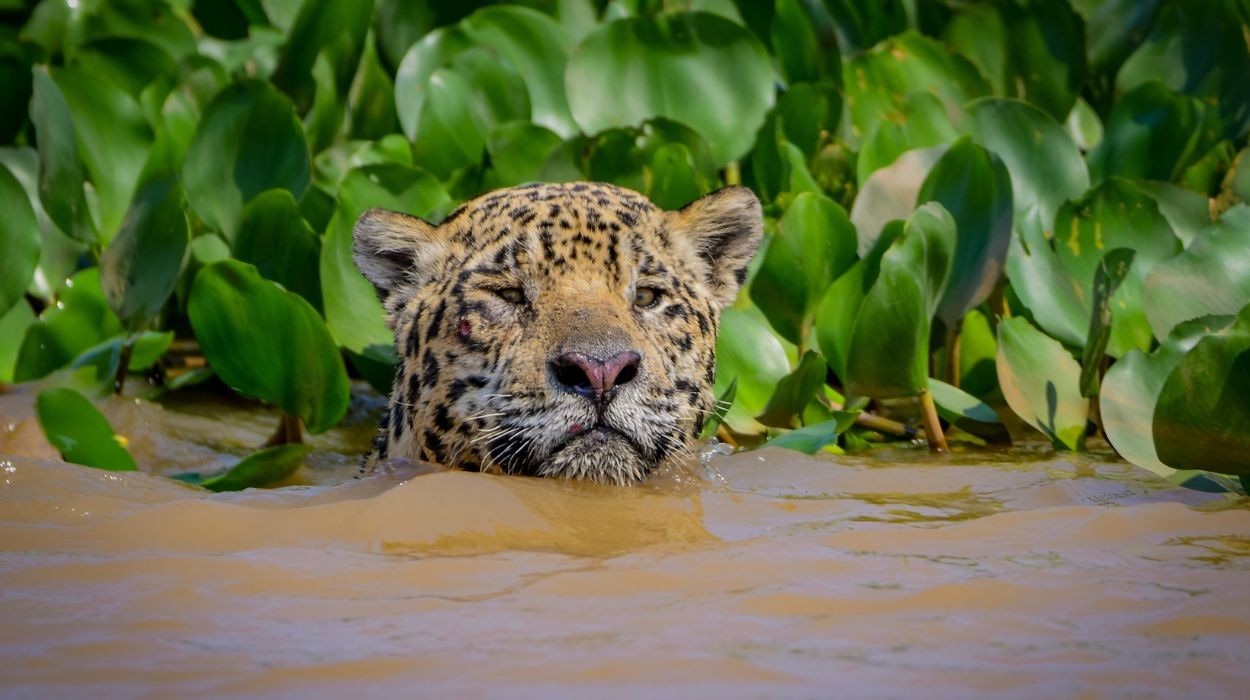
A new study conducted over 17 years in the Amazon's Mamirauá Sustainable Development Reserve has uncovered a concerning trend in the jaguar population, despite seemingly high overall numbers. Researchers from the Mamirauá Institute and Panthera, publishing in the Journal of Applied Ecology, found that while the total jaguar count in the over 1-million-hectare reserve appeared stable between 2005 and 2022, the density of female jaguars plummeted by 77%. Concurrently, the density of male jaguars increased during the same period. This demographic shift, hidden by the stable total population, indicates a significant and worrying transformation within the species' structure in this vital habitat. The study highlights the critical importance of long-term scientific monitoring and data collection in the Amazon. Emiliano Esterci Ramalho, technical-scientific director at the Mamirauá Institute, emphasized that seemingly stable populations can face severe threats, particularly a reduction in females, who are essential for reproduction and population maintenance. Raíssa Sepulvida, a researcher involved in the study, noted that the Amazonian floodplain, crucial for regional productivity, receives insufficient international conservation attention. She pointed out that the influx of males from external populations, coupled with a drastic decline in resident females, compromises the local population's ability to renew itself. The study suggests that increased hunting of males may encourage immigration from other areas, while females, typically establishing smaller territories near their mothers, migrate less. This influx of external males is also linked to increased cub mortality due to infanticide, as males kill cubs to induce females back into estrus, further reducing the renewal of the female population. The research, considered the longest-running jaguar study globally, also yielded the first estimates of survival and recruitment for the species in the Amazon. While adult survival rates are high at 0.76, the recruitment rate of new females into the population is low at 0.15. This low female replenishment, combined with the constant arrival of external males, may be masking a genuine decline in the local population's reproductive capacity.
This study presents a critical case of demographic imbalance in a flagship species, illustrating how aggregate population data can obscure underlying vulnerabilities. The observed phenomenon, where a high density of males and a declining density of females mask a potential reproductive crisis, highlights the limitations of simple population counts for conservation assessment. The potential drivers, including differential hunting pressures and territorial dynamics influencing male immigration and female retention, suggest complex ecological and human-wildlife interaction factors at play. Future conservation strategies must move beyond overall numbers to focus on sex-specific population health, reproductive success, and the protection of core female habitats to ensure long-term species viability. This situation underscores the need for nuanced, long-term ecological monitoring to detect subtle but significant demographic shifts that could precede irreversible population declines, especially in the context of ongoing habitat changes and human pressures in the Amazon.
AI-generated to prompt reflection — not editorial opinion, not advice, not a statement of fact. How this works.