Amazon Mangrove Marchers in Belém Advocate for Local Fish in School Meals
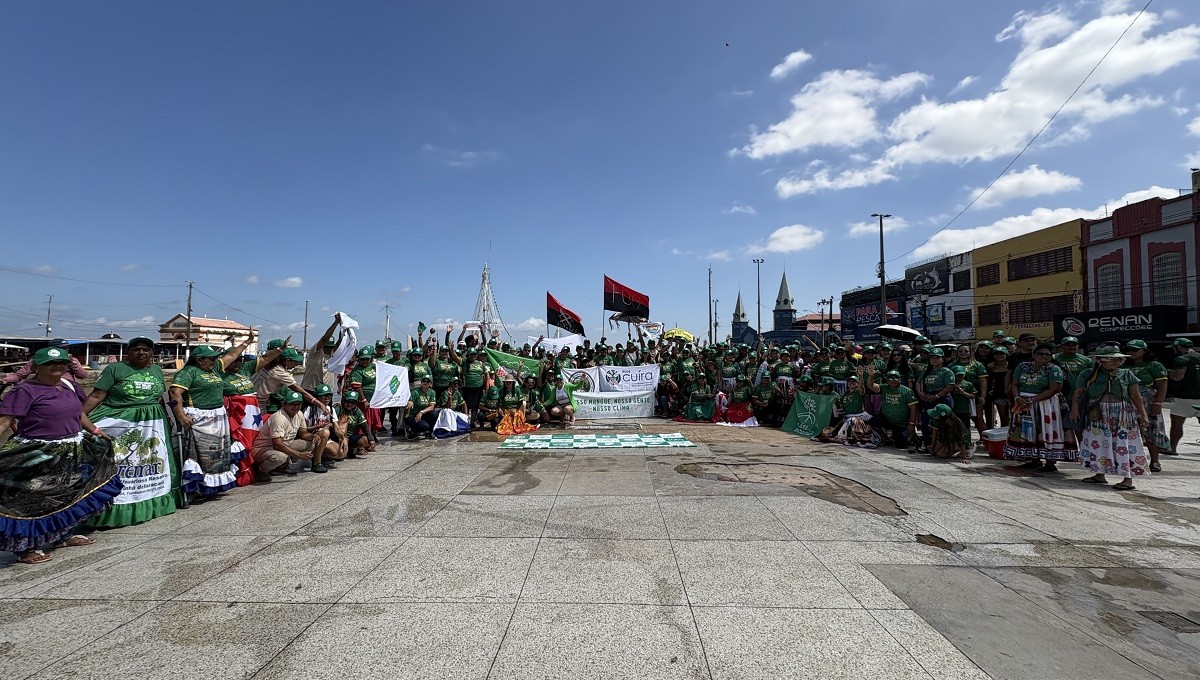
Traditional communities from the Marine Extractive Reserves (Resex) of Pará gathered in Belém for the 3rd Amazon Mangrove March. A key demand presented on Sunday, October 26th, was the regular inclusion of locally sourced fish in public school meals, aiming to replace ultra-processed foods. Renilde Piedade da Silva, president of the Mocapajuba Marine Resex Users Association, emphasized the importance of feeding students with the communities' own produce, stating a preference for local fish over processed options. She highlighted progress made through the Food Acquisition Program (PAA), which facilitates direct fish purchases from Resex by the government, but stressed the need to ensure this food consistently reaches schools. This demand is part of a broader effort to strengthen coastal community associations in Pará, which are crucial for developing the Amazon's socio-bioeconomy. These organizations support local supply chains for products like crab, shellfish, fish, and nuts, generating income and contributing to environmental preservation. Maura Sousa, senior manager at the Rare do Brasil Association, an NGO working with community projects in the region for over 15 years, underscored the necessity of supporting those who actively protect these ecosystems. Despite financial challenges, community unity and institutional partnerships are vital for their resilience, as preserving mangroves is essential for both livelihoods and global environmental balance. The march was part of the Green July Campaign, which engages traditional communities across Pará, Amapá, and Maranhão. A significant focus was the increasing leadership of women in decision-making within the extractive reserves, traditionally male-dominated spaces. Initiatives like the Mangrove Mothers Network and community savings clubs have fostered women's participation, leading to women now presiding over associations and representing their communities in various forums. Renilde Piedade da Silva shared her personal journey, emphasizing that the Resex movement served as her 'school of life,' equipping her with knowledge in territorial management, social participation, and public policy. The march concluded with a call for increased public investment in Amazonian traditional territories, asserting that mangrove conservation is key to protecting biodiversity, boosting the bioeconomy, and ensuring food, income, and dignity for future generations.
The Amazon Mangrove March in Belém highlights a critical intersection of food security, environmental stewardship, and community empowerment. The demand for local fish in school meals, replacing processed alternatives, reflects a desire to leverage natural resources for socio-economic benefit while promoting healthier diets. This initiative underscores the potential of extractive reserves to contribute to local economies and public welfare, provided that public procurement policies actively support these communities. The growing influence of women in leadership positions within these reserves signifies a positive shift towards more inclusive governance and resource management. Strengthening these community-based organizations is essential for sustainable development, as they are on the front lines of environmental preservation. Future policy considerations should focus on integrating these community-led initiatives into broader food systems and conservation strategies, ensuring long-term viability and ecological balance in the face of evolving environmental and economic pressures.
AI-generated to prompt reflection — not editorial opinion, not advice, not a statement of fact. How this works.