Amazon Producer Integrates Cachaça, Exotic Fruits, and Pirarucu Farming in Backyard
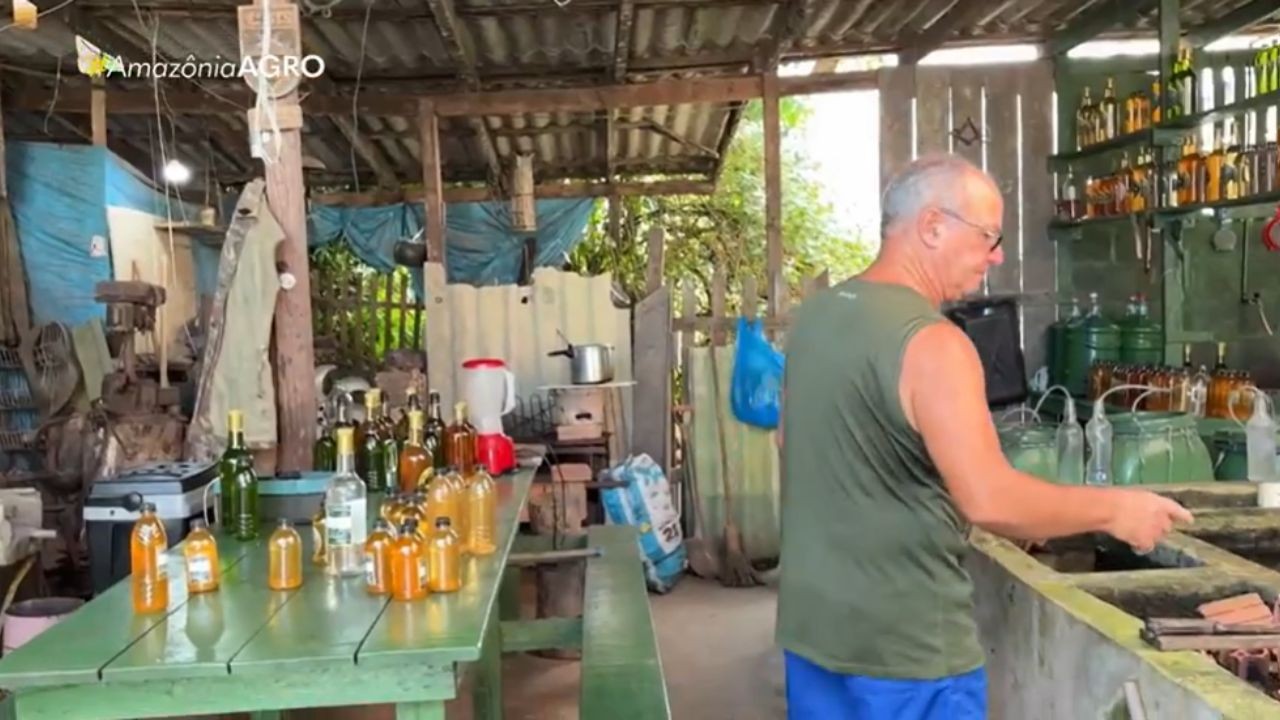
In Borba, Amazonas, entrepreneur Régis Rocha is gaining attention for his innovative approach to utilizing his urban backyard as a multi-faceted experimental space. Rocha skillfully combines artisanal cachaça production, the cultivation of exotic fruits, and the farming of pirarucu, a native Amazonian fish. His project showcases a deep understanding of adapting traditional techniques to the unique conditions of the Amazon region. Visitors to his property are greeted by grapevines and pomegranate trees, demonstrating his success in growing non-native species in the tropical climate. Rocha notes that the Amazonian climate, lacking distinct seasons, encourages continuous growth in plants like grapes, which constantly produce leaves and fruit. He meticulously manages the cachaça production process, starting with sugarcane fermentation. Due to the lower sucrose content in locally grown sugarcane, Rocha adjusts the sugar levels to achieve an optimal Brix of 17 for efficient anaerobic fermentation, a process where bacteria convert sugar to alcohol without oxygen. He also incorporates puxuri, an Amazonian plant known for its strong aroma, into his cachaça recipe. Beyond beverages, Rocha cultivates less common fruits such as pomegranates. His pirarucu farming operation features a cost-effective filtration system he designed using readily available local materials, specifically broken bricks, to maintain water quality. This natural filtration system mimics expensive biological filters, ensuring a healthy environment for the fish. Currently, his seven-month-old pirarucu are reaching an impressive weight of approximately 20 kilograms.
This initiative by Régis Rocha highlights the potential for integrated, small-scale agro-ecological systems within urban Amazonian settings. By blending traditional cachaça production with aquaculture and novel fruit cultivation, Rocha demonstrates a model of resourcefulness and adaptation. The system's success hinges on understanding local environmental variables, such as the impact of a consistent climate on plant growth and the specific needs of anaerobic fermentation. Rocha's innovative use of local materials for water filtration in pirarucu tanks showcases a low-cost, sustainable approach to aquaculture. This decentralized model offers a compelling alternative to large-scale industrial agriculture, promoting biodiversity and local food security. Future considerations might involve scaling such integrated systems, exploring market access for these unique products, and further research into optimizing the symbiotic relationships between different components of his experimental farm.
AI-generated to prompt reflection — not editorial opinion, not advice, not a statement of fact. How this works.