Amazon Project Debates Digital Tech's Impact on Democracy in Manaus
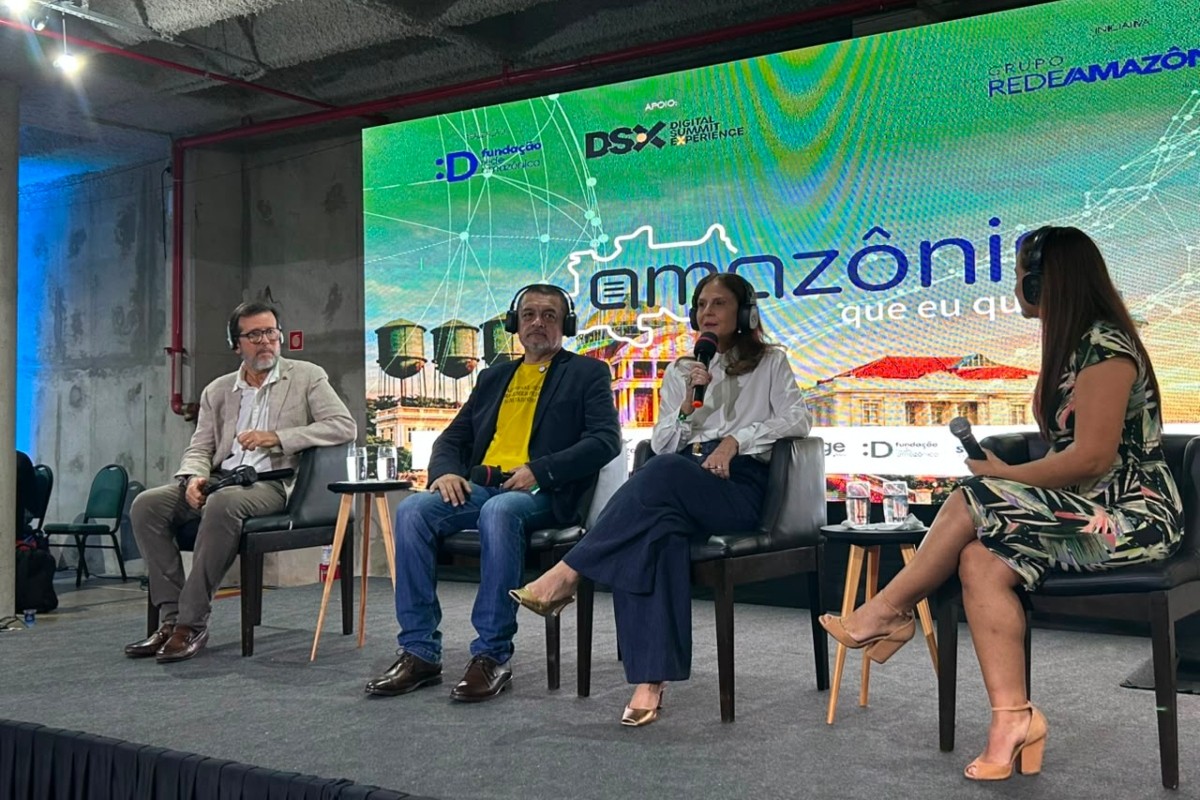
The "Amazônia Que Eu Quero" project held its final in-person panel of the 2026 edition in Manaus, Brazil, on Thursday, November 23rd. The event, themed "Democracy in the digital age: how new technologies influence your vote?", brought together experts to discuss the influence of artificial intelligence, algorithms, social media, and disinformation on information access, public opinion formation, and the democratic process. Held at the Vasco Vasques Convention Center as part of the Digital Summit Experience (DSX) 2026, the panel was live-streamed by g1 Amazonas.
Key participants included Mônica Câmara do Carmo, auxiliary judge at the Regional Electoral Court of Amazonas (TRE-AM) and president of the Committee to Combat Disinformation; Jucimar Maia da Silva Jr., director of the Superior School of Technology at the State University of Amazonas (UEA) and an expert in AI and Cybersecurity; and Helso do Carmo Ribeiro Filho, a lawyer, professor, and president of the International Relations Commission of the OAB Amazonas. The discussion was moderated by journalist Ruthiene Bindá, coordinator of "Amazônia Que Eu Quero".
During the panel, Judge Mônica Câmara do Carmo emphasized that while disinformation is not new, its speed has increased with technology, urging voters to verify information before sharing and highlighting the TRE's tools like Pardal and the Disinformation Alert Service. Jucimar Maia da Silva Jr. explained how social media algorithms are designed for engagement, potentially creating echo chambers, and predicted increased digital services in elections, stressing the need for digital inclusion in the Amazon. Lawyer Helso do Carmo Ribeiro Filho echoed concerns about digital bubbles limiting perspectives and highlighted the challenges of digital transformation amidst Brazil's social inequalities.
This panel highlights the growing intersection of digital technology and democratic processes, particularly concerning electoral integrity. The discussion underscores how algorithmic amplification and the rapid spread of disinformation can shape public opinion and voter behavior. While technological advancements offer potential for greater participation, they also present significant challenges related to digital literacy, equitable access, and the manipulation of information environments. Future governance frameworks will need to address the complex interplay between platform design, user psychology, and the foundational principles of informed consent in a democratic society. Ensuring robust digital infrastructure and promoting critical thinking skills are paramount to navigating the evolving landscape of digital democracy over the next decade.
AI-generated to prompt reflection — not editorial opinion, not advice, not a statement of fact. How this works.