Amazon Prosecutors Investigate Neglect in Yanomami Child Malnutrition Cases
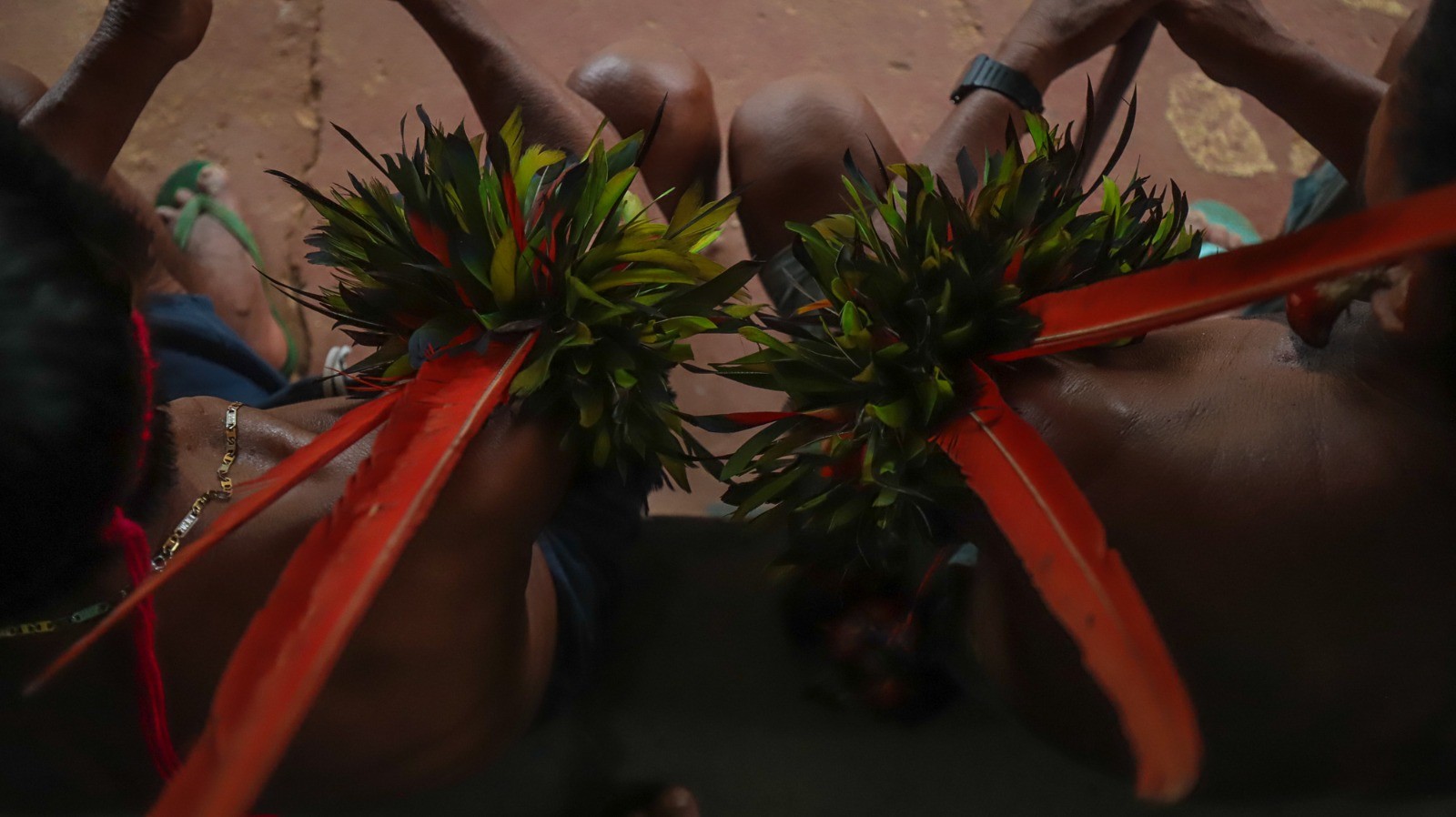
The Public Prosecutor's Office of Amazonas (MPAM) has launched a civil inquiry into potential negligence in the care of Yanomami children suffering from severe malnutrition in Santa Isabel do Rio Negro, Amazonas. The investigation focuses on cases recorded between 2025 and 2026, aiming to determine if there was a lapse in essential assistance after these children were discharged from the hospital. This inquiry originated from a factual notice and was elevated to a civil investigation to gather more evidence of possible irregularities, spearheaded by prosecutor Taize Moraes Siqueira.
Preliminary findings, based on medical and social reports from Hospital Irmã Edwiges Maria Sikorska, revealed numerous Yanomami children diagnosed with severe protein-energy malnutrition, often accompanied by serious respiratory infections like pneumonia and bronchiolitis. Due to the hospital's limited capacity, some children required urgent transfer to Manaus. Evidence suggests that upon returning to their villages, these children may not have received consistent nutritional and social support. The MP believes the lack of continuous monitoring and regular visits from indigenous health teams could have contributed to their relapse into vulnerable nutritional states.
A significant obstacle in the investigation has been the lack of response from the Yanomami Special Indigenous Health District (DSEI) to the MP's requests for essential technical information and documents, despite multiple requests made in January, March, and May of this year. As initial steps, the MP has ordered the DSEI Yanomami to provide documentation on post-discharge follow-up, staffing in the Rio Marauiá region, a malnutrition contingency plan for 2026, availability of nutritional supplies, and a health team visit schedule within 15 days. The hospital and municipal health secretariat must also report on recent severe malnutrition cases and their communication protocols with the DSEI. Other agencies, including Funai and various indigenous health and social welfare councils, have been tasked with reporting on community food security and family social support.
This investigation highlights systemic challenges in providing continuous healthcare and nutritional support to vulnerable indigenous populations, particularly after hospital discharge. The inquiry into potential negligence by health authorities, including the DSEI Yanomami, underscores the critical need for robust inter-agency coordination and accountability mechanisms. The delays and lack of transparency from the DSEI raise concerns about governance and resource allocation within the indigenous health system. Moving forward, ensuring consistent funding, adequate staffing of remote health teams, and effective communication protocols between hospitals and local health districts will be crucial. Addressing the root causes of malnutrition, such as food insecurity and environmental degradation, alongside immediate medical care, is essential for long-term well-being and preventing future crises within the Yanomami community.
AI-generated to prompt reflection — not editorial opinion, not advice, not a statement of fact. How this works.