Amazon Rainforest Fire Scar Smallest Since 1985, Brazil Data Shows
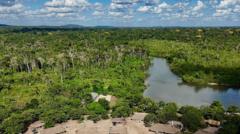
Brazil's Amazon rainforest experienced the smallest area burned since records began in 1985, according to data from MapBiomas. This significant reduction marks a positive development for the world's largest tropical rainforest. The data indicates a substantial decrease in the scale of fires affecting the region. MapBiomas, a collaborative network of research institutions and NGOs, has been meticulously tracking land use and land cover changes in Brazil since 1985. Their comprehensive records provide a crucial baseline for assessing environmental trends. The latest figures suggest a potential shift in the factors contributing to deforestation and fires in the Amazon. This decline could be attributed to various factors, including enhanced environmental policies, increased enforcement, or shifts in agricultural practices. Further analysis will be needed to fully understand the drivers behind this encouraging trend and its long-term implications for biodiversity and climate regulation.
The reported decline in Amazonian fires represents a potentially significant environmental improvement, contrasting with historical trends. Analyzing the underlying causes is crucial; shifts in governance, enforcement capacity, and economic incentives driving land use are key factors. The long-term sustainability of this reduction will depend on the persistence of these positive drivers and the resilience of the ecosystem against climate change impacts. Future monitoring should focus on distinguishing between natural fire cycles and human-induced ignitions to inform effective conservation strategies.
AI-generated to prompt reflection — not editorial opinion, not advice, not a statement of fact. How this works.