Amazon Rainforest Recovers After Two Decades, But With a Changed Ecosystem
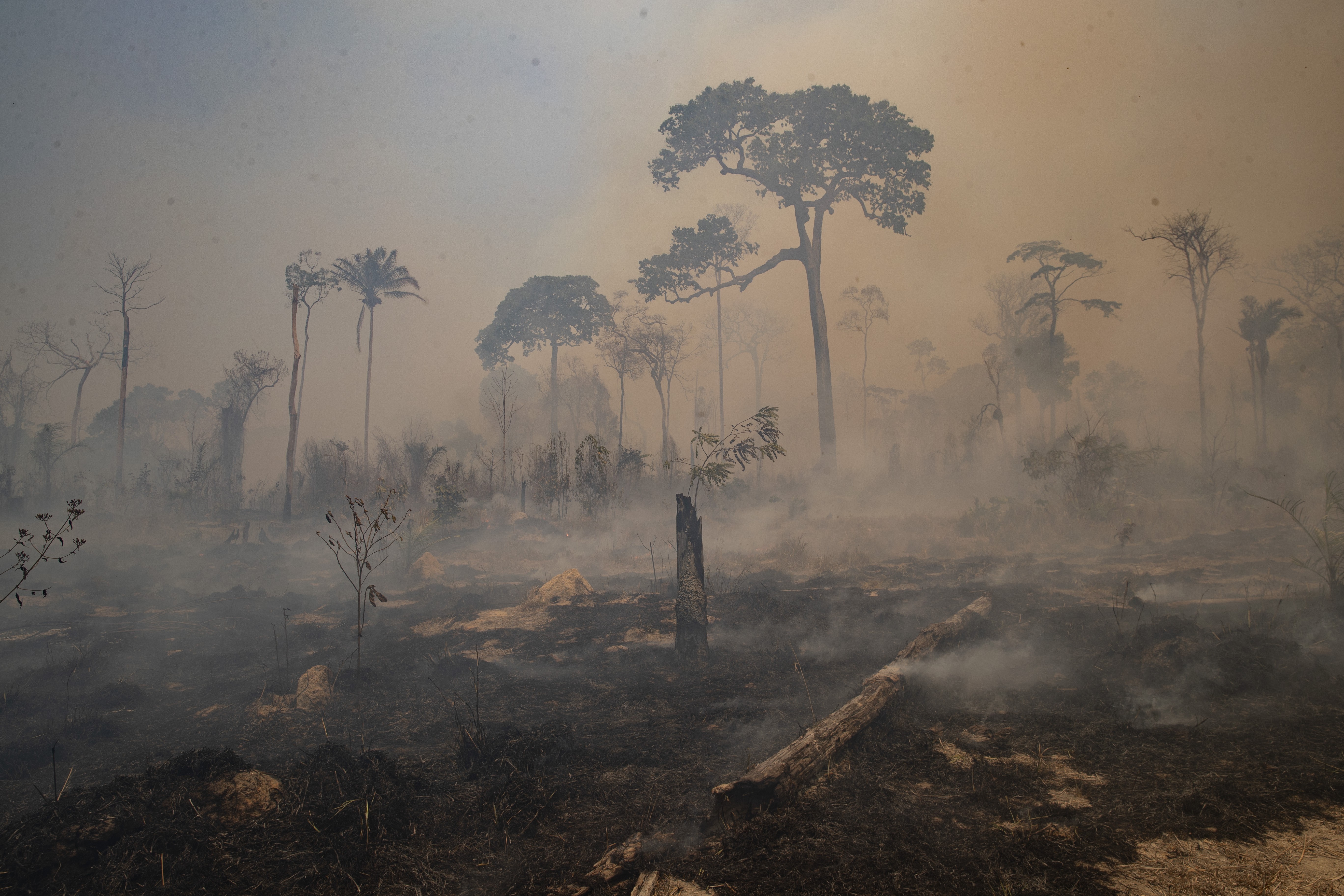
A 20-year study, conducted between 2004 and 2024, reveals that a section of the Amazon rainforest, situated in the transition zone between the Amazon and Cerrado biomes in Mato Grosso, has successfully regenerated after experiencing fires, extreme droughts, and strong winds. Researchers monitored how the vegetation responded to experimental burns, severe droughts, and intense wind events over two decades. The findings indicate that the forest structure, particularly in its interior, can recover when fires cease. However, recovery is slower at the forest edges, which are more exposed to fire and agricultural activities. Specialized Amazonian plant species continue to decline, while more adaptable, generalist trees become more prevalent, resulting in a functionally intact but compositionally altered forest. Initially, invasive grasses occupied the forest edges following fires, benefiting from increased light. As tree canopies closed and light penetration decreased, these grasses gradually receded, leaving behind areas dominated by shade-tolerant species. The study also provides evidence that the degraded area did not transform into a Cerrado-like vegetation. Instead, it has maintained resilience but is now characterized by a dominance of generalist species over those typically found in the Amazon. The authors emphasize that this recovery is contingent upon the cessation of disturbances. Frequent fires or intensified extreme weather events could lead to further degradation and jeopardize long-term recovery.
This research highlights the complex dynamics of ecological resilience in the Amazon, demonstrating that while forest structure can be restored after disturbances like fire and drought, the species composition may permanently shift. The study underscores the critical dependence of recovery on the reduction of anthropogenic pressures, such as agricultural burning and deforestation, and the mitigation of climate change impacts. Future ecological trajectories in the Amazon will likely involve a trade-off between structural integrity and biodiversity, necessitating adaptive management strategies that account for altered species assemblages and increased vulnerability to recurrent extreme events. The findings prompt consideration of long-term ecosystem service provision under evolving environmental conditions and the potential for novel ecosystem states.
AI-generated to prompt reflection — not editorial opinion, not advice, not a statement of fact. How this works.